Blog / Subaru Repair

Blog

All Subaru Repair Sunset Hills Subaru Dealer Sunset Hills New Subaru New Vehicle Reviews Sunset Hills Subaru Service Buying Guides Maintenance & Service Technology & Innovation Model Comparisons Safety Subaru Road Safety Sunset Hills Subaru EV Dealership 2025 Subaru Crosstrek Auto Financing 2025 Subaru Outback Community Engagement Dealership Financing Performance and Engineering Leasing guides Sunset Hills Used Cars Fuel Efficiency Sunset Hills Subaru Loves Pets 2025 Forester Hybrid Infotainment Subaru Financing Subaru Motorsports Subaru Share The Love 2024 Outback Automotive History & Evolution Automotive News Automotive Repair Tips Automotive Rumors & Insights Buying & Trade-In Process Guidance Charging Solutions & Infrastructure Fun Things to Do Near Sunset Hills MO Outdoor Adventure & Camping Ownership Experience Reliability and Quality Insights Subaru Loyalty Program Things to do in Sunset Hills, MO Tire Care & Replacement Trade Up Advantage Vehicle Design & Innovation
check engine light 2

3 Engine Problems You Should Always Fix at Your Subaru Dealer

Your Subaru's engine is very efficient, but it needs regular services to keep it in working efficiently. In time, worn parts can cause engine problems, and these problems will get worse if they're not repaired. Fortunately, if you're close to Sunset Hills, MO, your Subaru dealer has the experts available to fix any problem. These are some of the possible issues we can fix for you. more 3 Engine Problems You Should Always Fix at Your Subaru Dealer Overheating Engine A car's engine creates a very hot environment underneath the hood. Combustion and hundreds of fast-moving components generate large amounts of heat. This heat must be removed quickly to prevent damage to the engine components. Seals, gaskets, and spark plugs are just some of the engine parts that will fail if the temperature rises too high. When you hit the accelerator, the engine will work harder, heat will increase, and the cooling system will work faster to compensate. If your temperature gauge starts to rise and doesn't fall in minutes, your engine is overheating. Our technicians will examine your cooling system to discover the problem and then repair it. Damaged Ignition Coils Ignition coils form an important part of your engine. An ignition coil is connected to each spark plug, and the coil increases the power supplied by the spark plug. Although the fuel-air mixture in the cylinders is flammable, a spark plug that supplies 12 volts doesn't have enough power to ignite the mixture. The coil increases this output to 30,000 volts, which is more than sufficient for effective combustion. Coils can wear out after approximately 100,000 miles. They can also become damaged by worn spark plugs, overheating, and other ​​​​​​​​​​​​​​​​​​​​​​​​​​​​​​​​problems. A failed coil won't supply the extra electricity to its spark plug, and this will cause the cylinder to misfire. Misfiring not only wastes gas and decreases engine performance, but it can also cause serious engine damage over time. We'll test the coils and replace any worn or damaged ones. Dirty Intake Manifold The intake manifold is the part of your engine where air and fuel mix before combustion. Air enters the manifold through the air filter, and fuel is injected through the fuel injectors. The precise quantities of air and fuel in the manifold are monitored by sensors to ensure the mixture is correct. Once the mixture is correct, it's drawn into the cylinders and the combustion process begins. Fuel contains carbon, some of which is left in the manifold when the fuel-air mixture is drawn away. The carbon will build up in the manifold and its presence alters the fuel-air mixture. Side effects of the carbon include a fuel-rich engine, damaged spark plugs, and potentially a failed catalytic converter. We can prevent all of these problems by cleaning the manifold to remove the carbon. Our Subaru-trained technicians can fix any possible problem. Call our service department today at Sunset Hills Subaru.

Car AC

Car AC Not Working? Visit Your Subaru Dealer Today

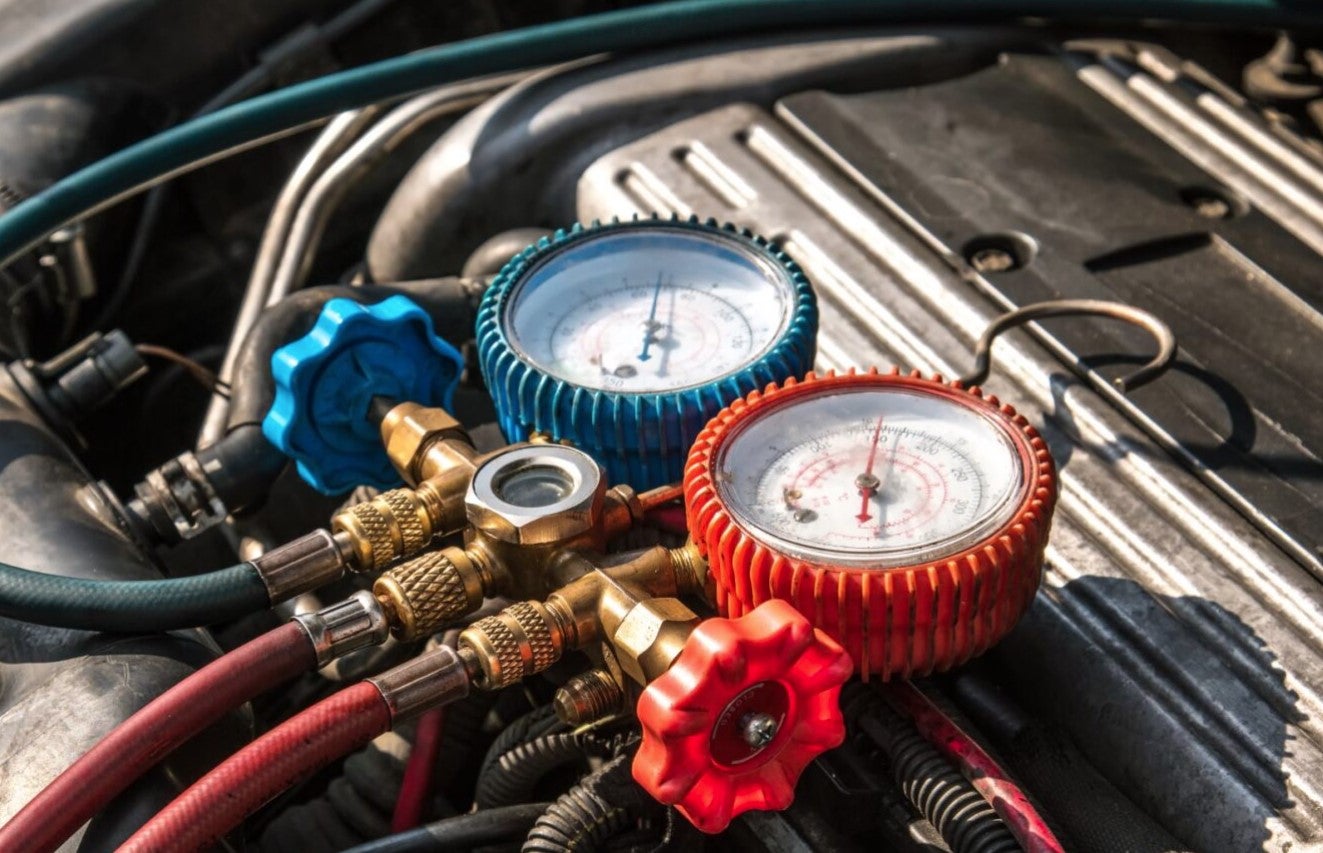
Car air conditioning systems may last up to ten years before needing repairs. But the hotter your climate and the more you use your AC, the more likely you are to find your AC not working one day due to a mechanical or electrical fault. You can have your AC promptly repaired at your local Subaru dealership. more Car AC Not Working? Visit Your Subaru Dealer Today Only Warm Air Coming Into Your Cabin If the AC is turned on and the air's blowing strongly, but your cabin won't cool down, then your AC may have a problem with the refrigerant. Refrigerant is the substance that flows through the compressor, condenser, and evaporator, switching states and cooling the air. Refrigerant can sometimes leak from a crack in a worn-down hose, connection, or other component. As this substance is colorless, it's sometimes hard to locate a refrigerant leak without a trained eye. A technician can inject fluorescent leak tracer dye into your AC system, which will allow them to find the leak with the aid of a blacklight and fix it. Sudden Hot Air Blowing From the AC A fault can occur with the expansion valve that may turn the AC's air from cold to hot. The expansion valve is responsible for sending the correct amount of refrigerant into the evaporator. It's possible for an expansion valve to become blocked if moisture gets inside and freezes, bringing the entire system to a halt. The AC's Air Smells Bad If moisture gathers on or inside a disused AC system, then bacteria, mold, and fungi can start to grow. When you turn on the AC, the mold and fungi will send bacteria into the cabin, lending the AC air an unpleasant mildewy smell. Rattling Sounds From the AC A build-up of dust, dirt, leaves, and other debris from outside the car can occasionally clutter the air vents or blower fans and cause a rattling noise when you turn on the AC. You may be able to see and dig out this debris yourself, but you might also need a technician to help. No Air Blowing Into the Cabin at All When you turn on the AC, if no air at all blows into the cabin, then your blower fan may have become damaged by debris or the simple wear and tear that comes with age. An electrical fault might also cause the blower to stop working. Alternatively, one of the belts that drives the system may have become detached. You'll probably need a technician to diagnose the fault. Visit Sunset Hills Subaru today to have your car's AC promptly repaired. We've been the local community's trusted go-to dealership for Subaru vehicles for over 40 years.

Radiator

Does Your Subaru Need a Radiator Repair?

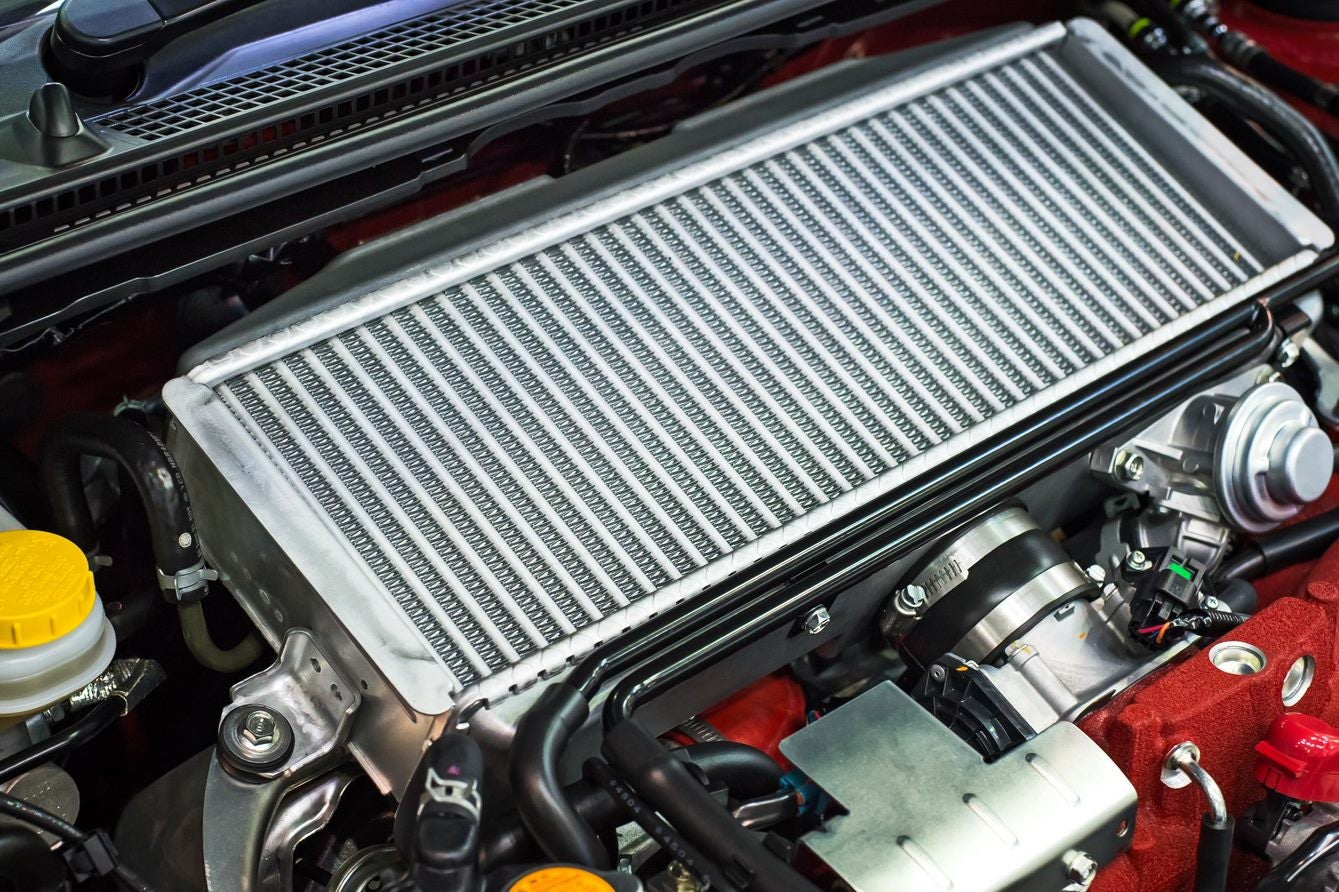
One of the greatest threats a car engine faces is overheating. Your chief tool to combat that threat is the radiator, which keeps coolant pumping around the engine at a suitably low temperature. With this in mind, the following signs of a faulty radiator should prompt you to visit your nearest Subaru dealership for radiator repair before your engine gets too hot and seizes up. more Does Your Subaru Need a Radiator Repair? Temperature Gauge Rising It's important to respond quickly to any indication that your engine is overheating. If a radiator stops performing its proper function, it won't take long for the engine's temperature to rise. This can rapidly lead to blown gaskets and mechanical parts seizing up for good. Fortunately, the temperature gauge on your instrument panel will warn you at the first hint of overheating: the needle will leave the safe range between 195 and 220 degrees Fahrenheit. Anything over 220 degrees is too hot and may cause further damage if you keep driving. Ticking Noises From the Engine An overheating engine will also start ticking and making other strange sounds as the mechanical parts start to struggle against each other. Your car will start to lose power, and you may see white vapor rising from under the hood as water in the coolant begins to boil. External Radiator Rust Radiators are susceptible to rust damage, especially in humid or colder climates. Regular driving reduces the risk of rust as the warm engine evaporates moisture every morning. But when a car is left unused for several weeks or months, external radiator rust may begin to appear. If you only see a little rust on the outside of your radiator, you may be able to clean it with a good rust-cleaning product. But if the rust is extensive, your radiator may need to be replaced. Internal Radiator Rust Radiators can sometimes rust on the inside too, especially if the coolant degrades and loses its anti-rust properties. Internal rust will turn the coolant a rusty brown color, which you can see in the transparent coolant reservoir. If it's not too bad, internal rust can be cleaned out by flushing and replacing the coolant a few times. Leaking Coolant Aging radiators can sometimes spring a leak in the cap, hose connections, or cracked fins. Leaking coolant will often leave stains on various engine parts under the hood, and it's also likely to puddle under your car when you're parked. You might also notice air bubbles in the coolant reservoir where air has gotten in through the leak. Flush Coolant Frequently at Your Subaru Dealer As a general rule of thumb, coolant should be flushed every 30,000 miles, which is about every two years for most drivers. At the same time, the technician will examine your radiator and run pressure checks to ensure there are no leaks or other radiator issues. Visit Sunset Hills Subaru today to have your radiator inspected and repaired. We're a trusted local dealership that's been diligently serving the area's drivers for over 40 years.

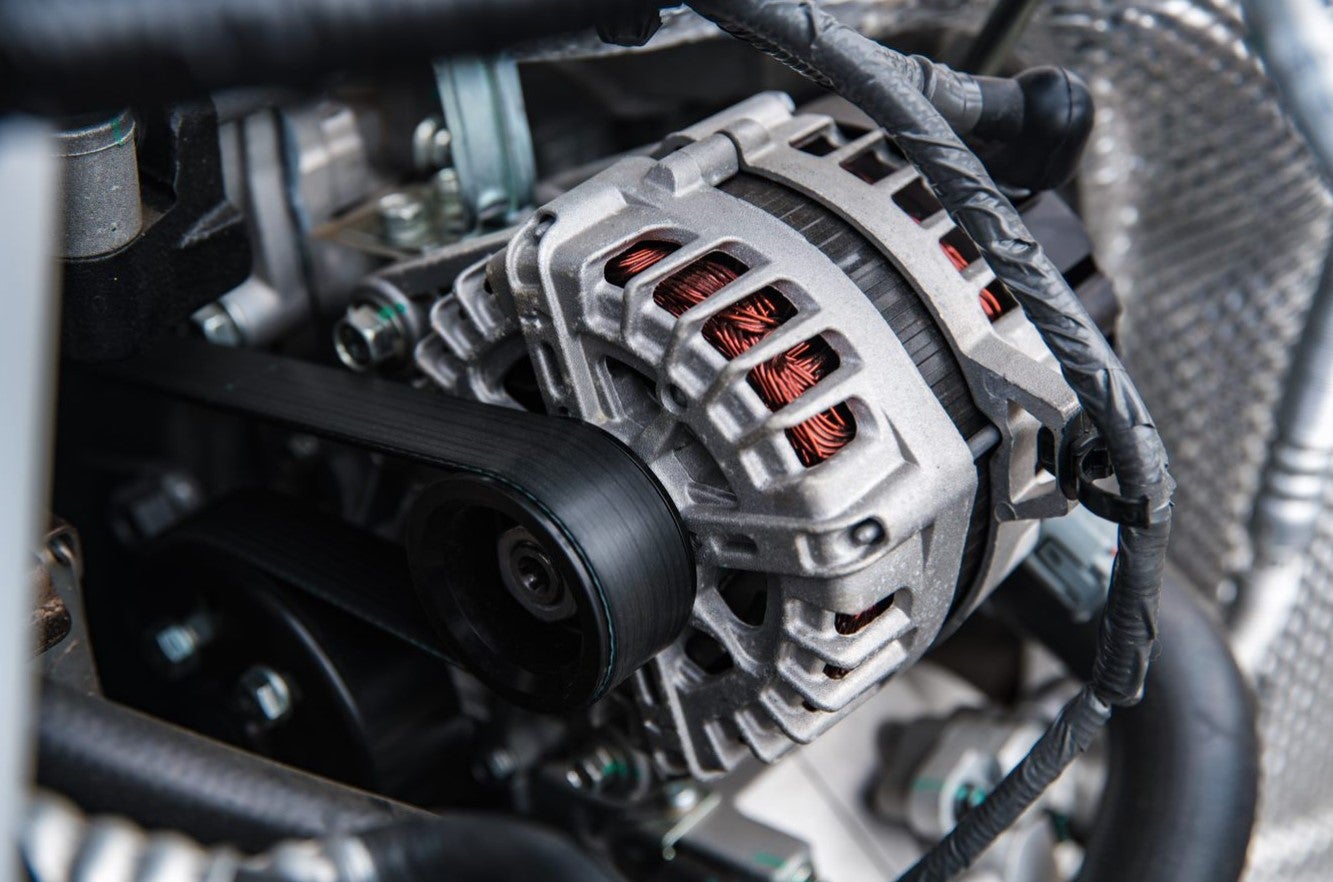
alternator2

How to Tell When Your Subaru Needs an Alternator Repair

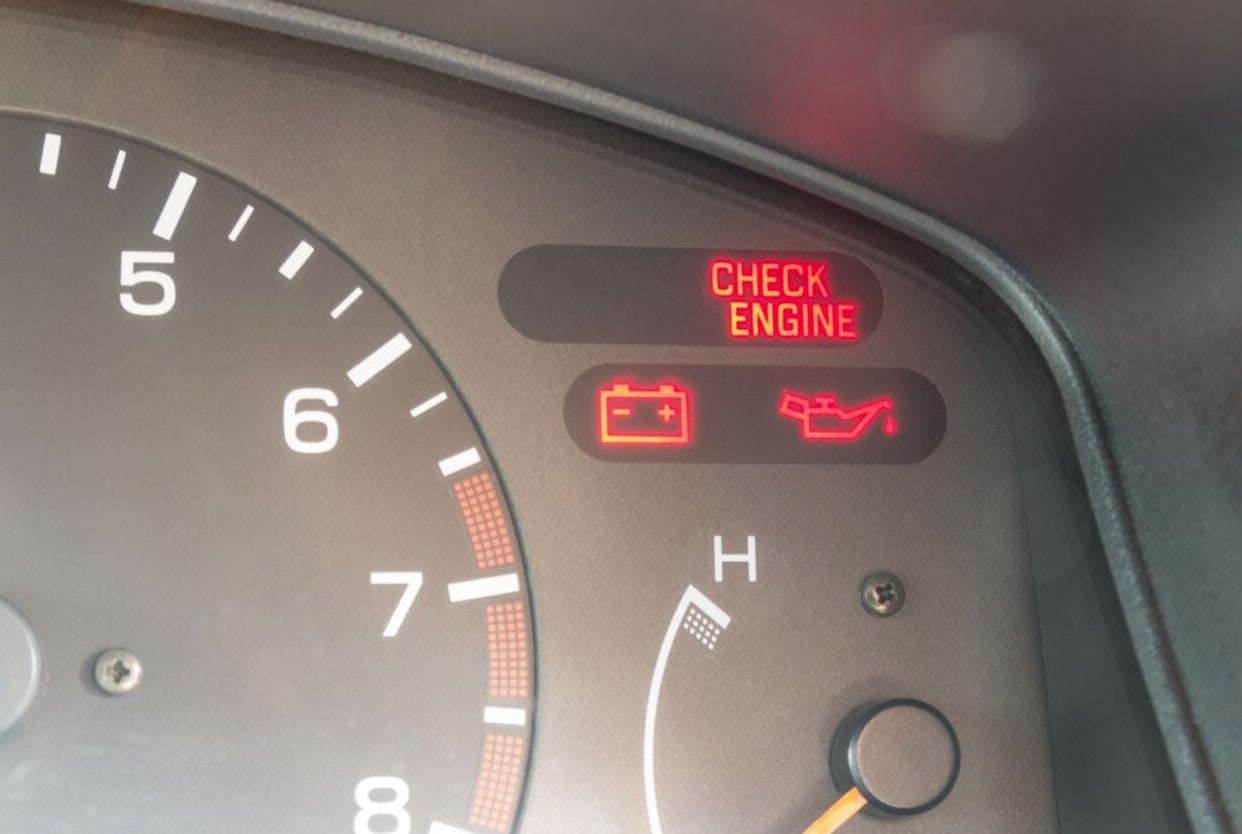
A healthy alternator should consistently generate more than 13 volts of electricity, and sometimes as much as 15 volts. If your alternator starts to break down and produce less than 13 volts, the electrical parts of your car will begin to stop working too. With this in mind, the following four warning signs should tell you it's time to visit your nearest Subaru dealership for alternator repair or replacement sometime soon. more How To Tell When Your Subaru Needs an Alternator Repair Electrical Power Falters There are all kinds of electrical components in your car, including the headlights, internal cabin lights, dashboard dials, power windows, windshield wipers, air conditioning, heated seats, stereo, and more. If these components all begin to act strangely, flickering, fading, acting erratically, it's quite likely that your alternator, andfailing and the battery is struggling to manage them all on its own. Battery Fails to Recharge One crucial task the alternator serves is to keep your battery fully charged. When a bad alternator can no longer do this, you'll find that your electronics stop working as soon as you turn off the engine. If the battery's dead, you might not even be able to start your car again. And even if you successfully jumpstart the engine, it won't be able to keep going for long with both a bad alternator and dead battery. Engine Losses Power The spark plugs inside your engine require a steady flow of voltage from the alternator. If this flow of power dries up, the spark plugs will begin misfiring, causing your car to jolt and sputter. And eventually, the engine will die altogether. When the alternator stops functioning, the battery will keep your engine going for a short time. But you're likely to notice your car struggling and misfiring, and it's best to get to a dealership or at least get off the road before you stall somewhere inconvenient. Dashboard Warns You Some Subaru models have an ALT light on the dashboard, which directly tells you if the alternator is having trouble. Other models have a mode general battery light, which indicates a problem with the car's electrical system at large. This battery light could mean there's a problem with the alternator, battery, wiring, or something else. Whichever warning light your car has, if you see it come to life, have a technician check your alternator without delay. How Often to Visit Your Subaru Dealer for a New Alternator Alternators usually last between six and ten years, which is about 80,000 to 150,000 of driving. So you can expect to need to replace your alternator two or three times over the lifespan of your car. To check the current condition of your alternator, you can have it tested at your local dealership at any time. This might give you an indicator of how much longer it will last. Visit Sunset Hills Subaru today to have your alternator fixed or replaced. We're a trusted local dealership that's been proudly serving the local region's drivers for over 40 years.

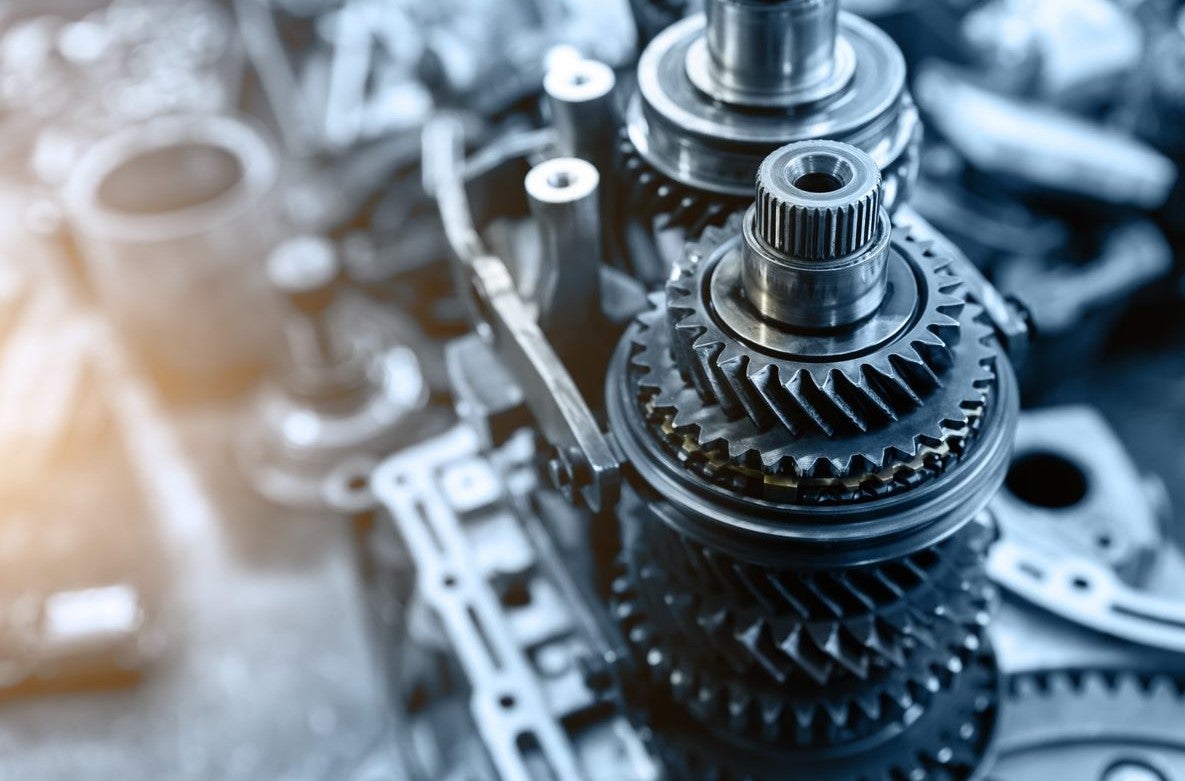
transmission disassembled

6 Signs Your Subaru Needs a Transmission Repair

Heat is the nemesis of both your car's engine and transmission. The gearbox of a modern Subaru is extremely durable, but as with any other vehicle, overheating can rapidly cause it to fail. This is why using high-quality synthetic transmission fluid is always recommended, along with regular servicing visits to top up or flush your fluid. If your fluid ever stops performing its lubricating and cooling functions, you'll soon need to visit your local Subaru dealer for transmission repair. more 6 Signs Your Subaru Needs a Transmission Repair Leaking Transmission Fluid When you pull away from parking, if you notice a pool of reddish-brown liquid on the ground, you might have a transmission fluid leak. Don't drive far with leaking transmission fluid. Without proper lubrication, the moving parts inside your gearbox can generate enormous friction and quickly overheat and break down. Leaking transmission fluid isn't a significant problem if you catch it early on. It's usually relatively easy for a technician to locate and repair the source of a leak. Most leaks will stem from one of the fluid lines or a cracked or frayed pan gasket, or sometimes from a loose axle seal or the torque pump. Flush Fluid Every 60,000 Miles at Your Local Subaru Dealer It's advisable to check the level of your transmission fluid quite often. You can do so by warming up your engine and then using the dipstick. Also, once every 60,000 miles, have your transmission fluid flushed out entirely and replaced. This should be every 30,000 miles for cars with a manual shift. Resistance to Shifting Any resistance or hesitancy to shift gears should serve as a warning sign of gearbox trouble. Such sticking might be a problem with worn-out gears. It might also be caused by a damaged shift cable or clutch linkage. Awkward Grinding Noises In an automatic transmission, grinding sounds shouldn't be ignored as they might point to a malfunctioning planetary gear system. This complex component is the basis of most automatic gearboxes. Any fault in the planetary gear system can fast become a major repair job. Whirring and Humming Sounds Humming or whirring sounds often indicate low transmission fluid. They could also be caused by a worn-down shaft or bearing, a faulty reverse idler, or something else altogether. Have a technician diagnose the problem for you. Gears Popping Into Neutral When gears wear down extensively, they can begin to slip. Sometimes, you might find your gears suddenly changing or popping into neutral all on their own. This worrisome issue needs to be repaired right away as, needless to say, it can be very dangerous. Sudden RPM Surges When rounded-out gears begin to struggle against each other or struggle to change promptly, the engine will often increase RPMs as it tries to compensate. So an unexpected surge in revving when you're shifting is almost always a sign of a malfunctioning transmission. Visit Sunset Hills Subaru today to have your transmission examined by experienced professionals. We've been providing great vehicles and customer service to the drivers of Jefferson County, MO for over 40 years

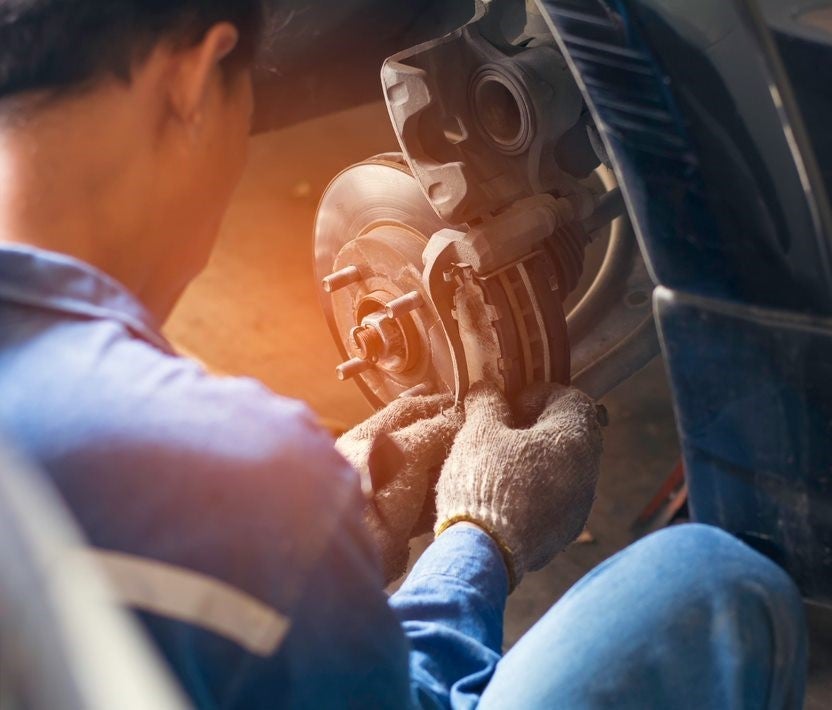
brakejob

Does Your Subaru Need a Brake Repair?

Regular brake maintenance is important for your Subaru, as it ensures that your brakes are always in good working condition. Your brakes are subject to wear and tear from the elements, as well as heat and pressure as they work. This can lead to damage, and you'll need a brake repair. Your Subaru dealer can repair any braking problem for you. These are a few signs that we need to examine your brakes. Signs You Need a Brake Repair at Your Subaru Dealer Your Steering Wheel Shakes If your steering wheel shakes when you hit the brakes, our technicians need to examine your braking system. The shaking feeling will increase and become more extreme as time passes. It's caused by damage to one or more wheel rotors. The wheel rotors are smooth metal disks that fit just behind your wheels. When you apply the brakes, the calipers grab the rotors and generate friction that causes the wheels to stop. Over time, the rotors can develop patches of rust. Rust occurs because the rotors are exposed to water and mud as you drive. The only part of the rotors that aren't affected is the section underneath the brake calipers. These rusted sections will cause your steering wheel to shake when the calipers grab a rusted section. We can fix this problem by resurfacing your rotors to remove the rust. Dragging Acceleration When you step on the gas, your Subaru should almost leap forward. If you start to feel as though something is preventing your wheels from moving as fast as they should, you could have a brake problem. This type of problem is usually caused by a damaged caliper. As we've seen, the calipers grip both sides of the rotors to bring your wheels to a stop. Once you remove your foot from the brake, the calipers withdraw. If one of the calipers is damaged, it may continue to partially grip the rotor. The damaged caliper will prevent the affected wheel from moving at the same speed as the others. A damaged caliper will cause additional damage to your rotor, axle, and braking system if it's not repaired. We can replace the caliper to correct this problem. Soft Brake Pedal A soft brake pedal is very dangerous. In this situation, your brake pedal displays almost no resistance when you step on it. The resistance from a brake pedal is caused by the pressure from the brake fluid. A lack of resistance means that your brake fluid is low, and brake fluid is essential for your brakes to work. We advise calling us immediately if your brake pedal goes soft. We'll examine the braking system and fix the problem. Driving with a brake problem is dangerous. Call us right away at Sunset Hills Subaru so we can repair the problem.

Contact Us

Fill out this form below and we'll contact you shortly
*Required Fields