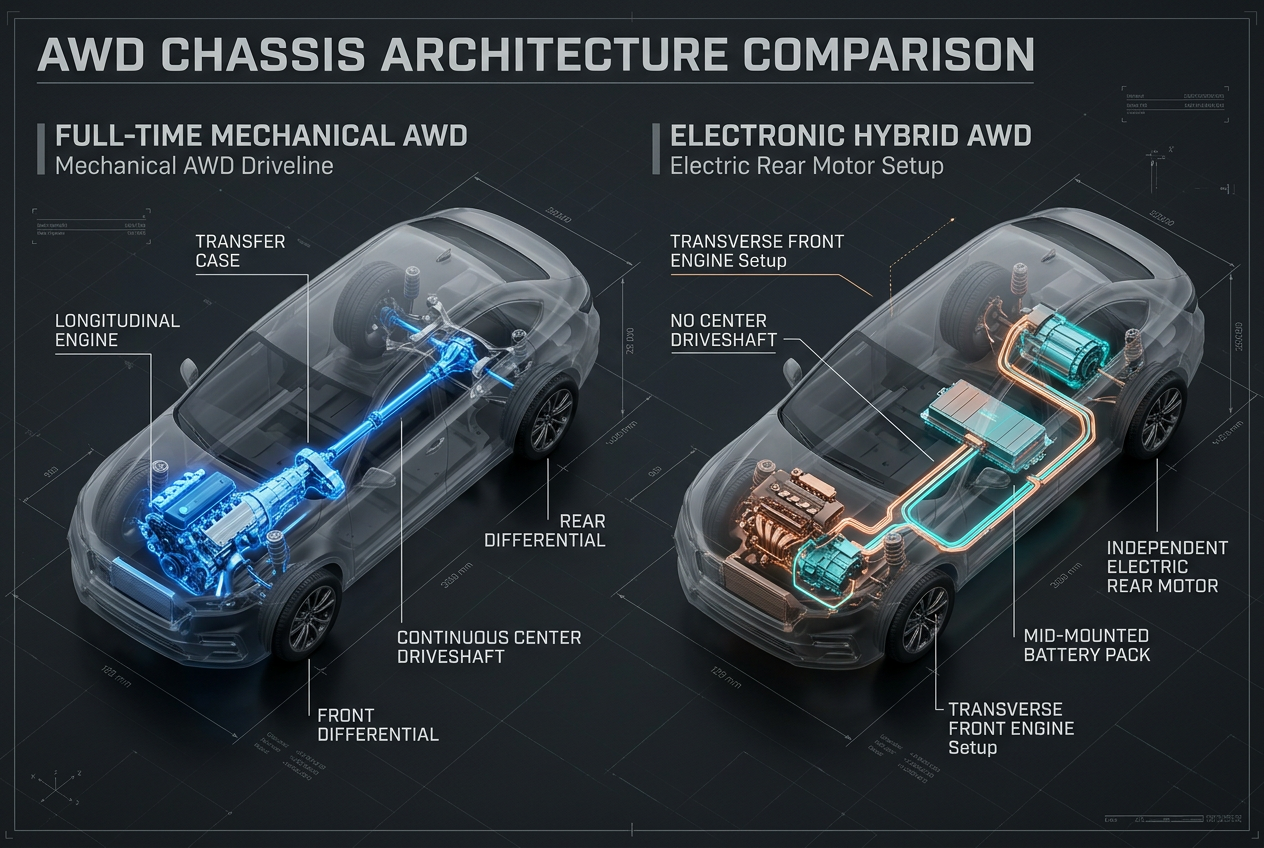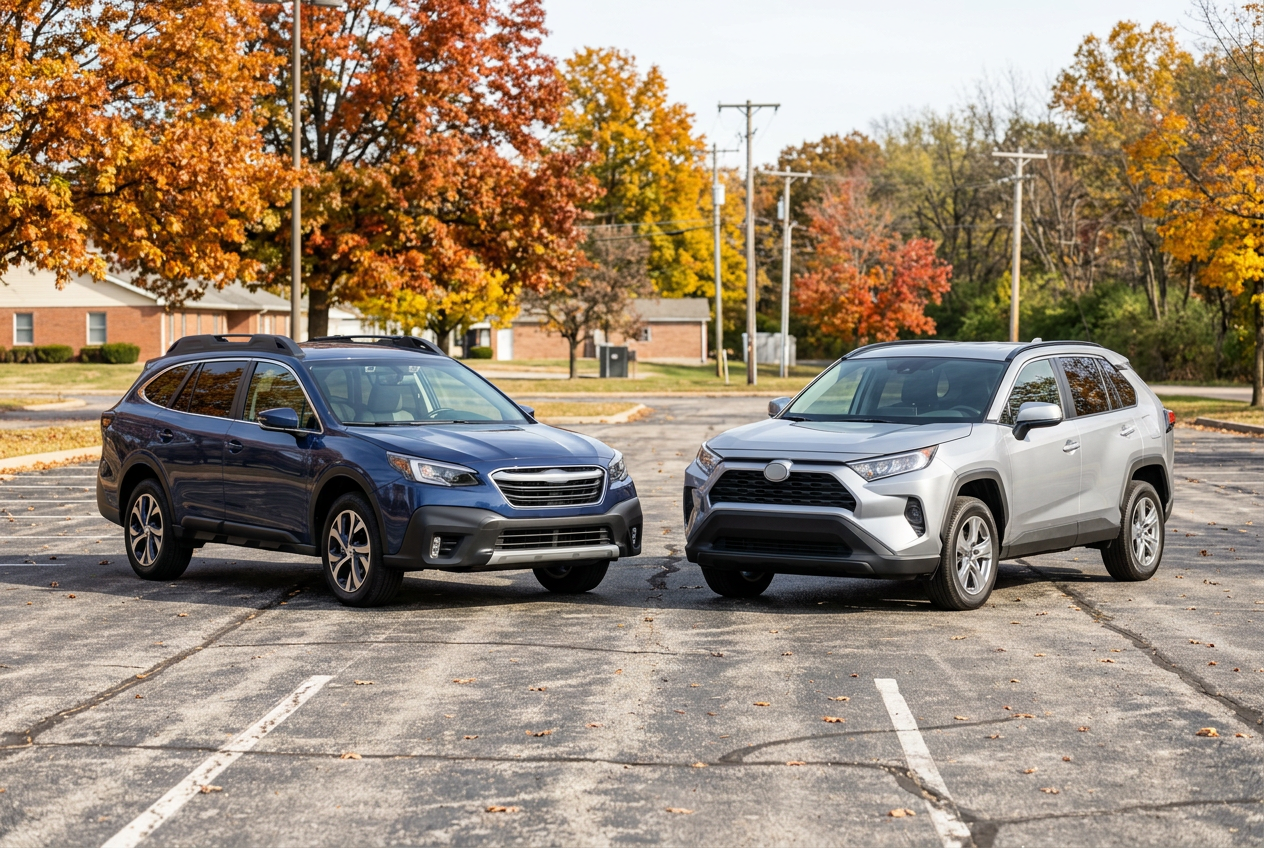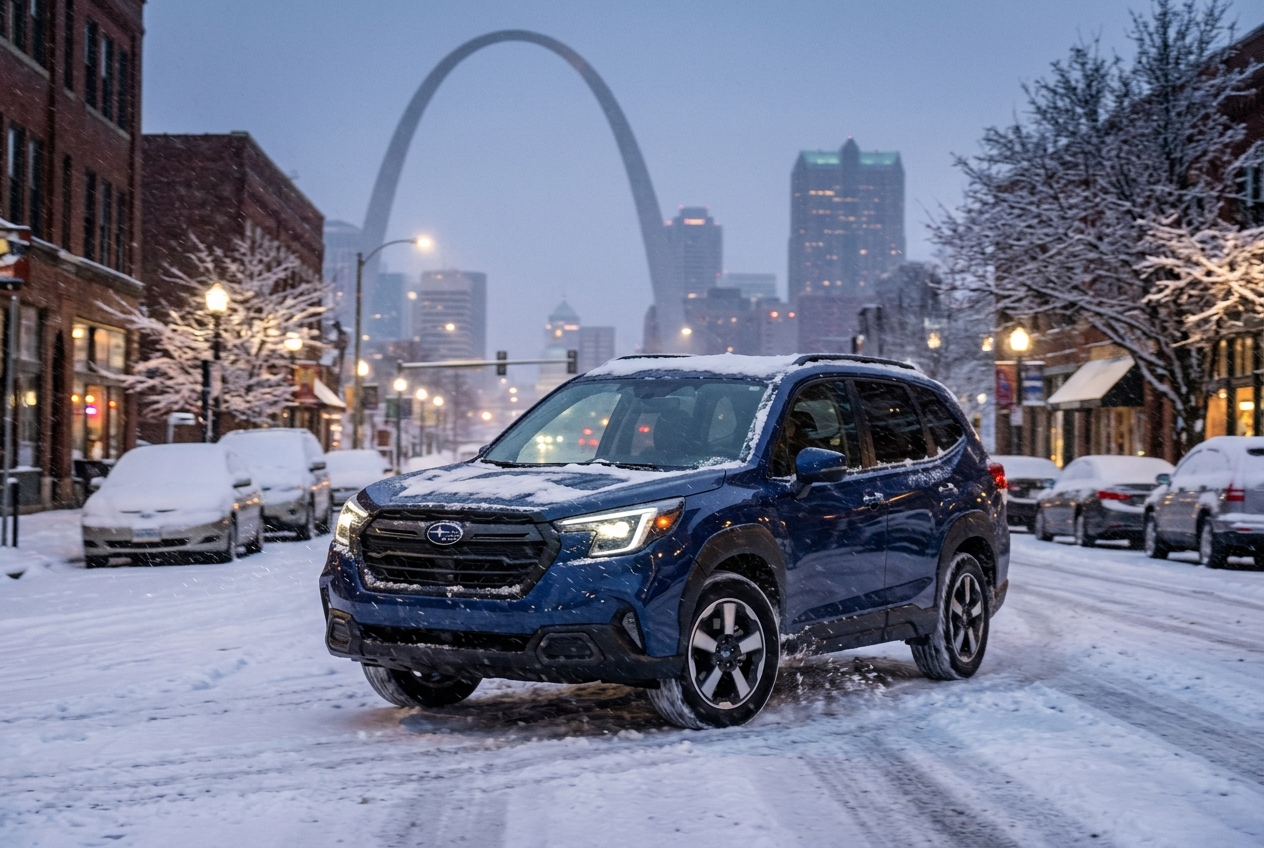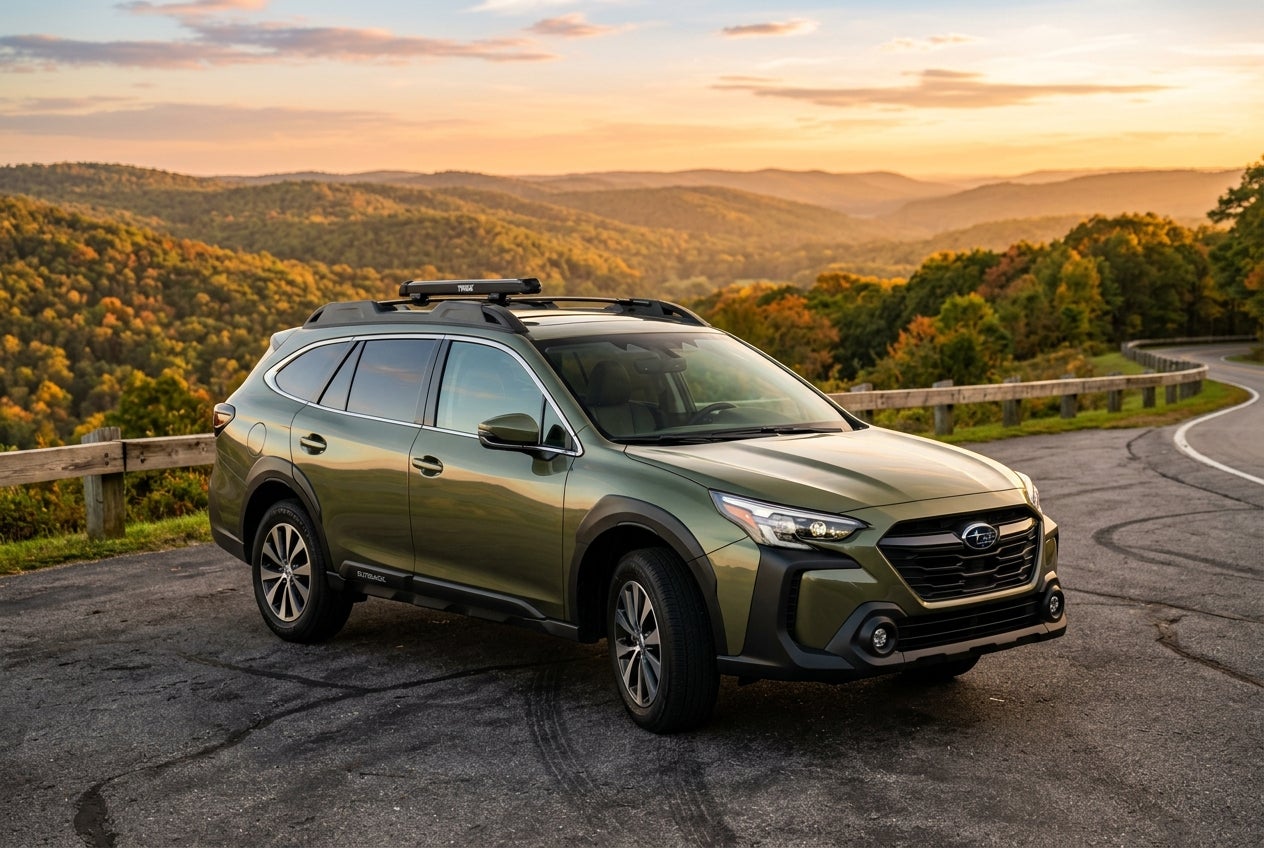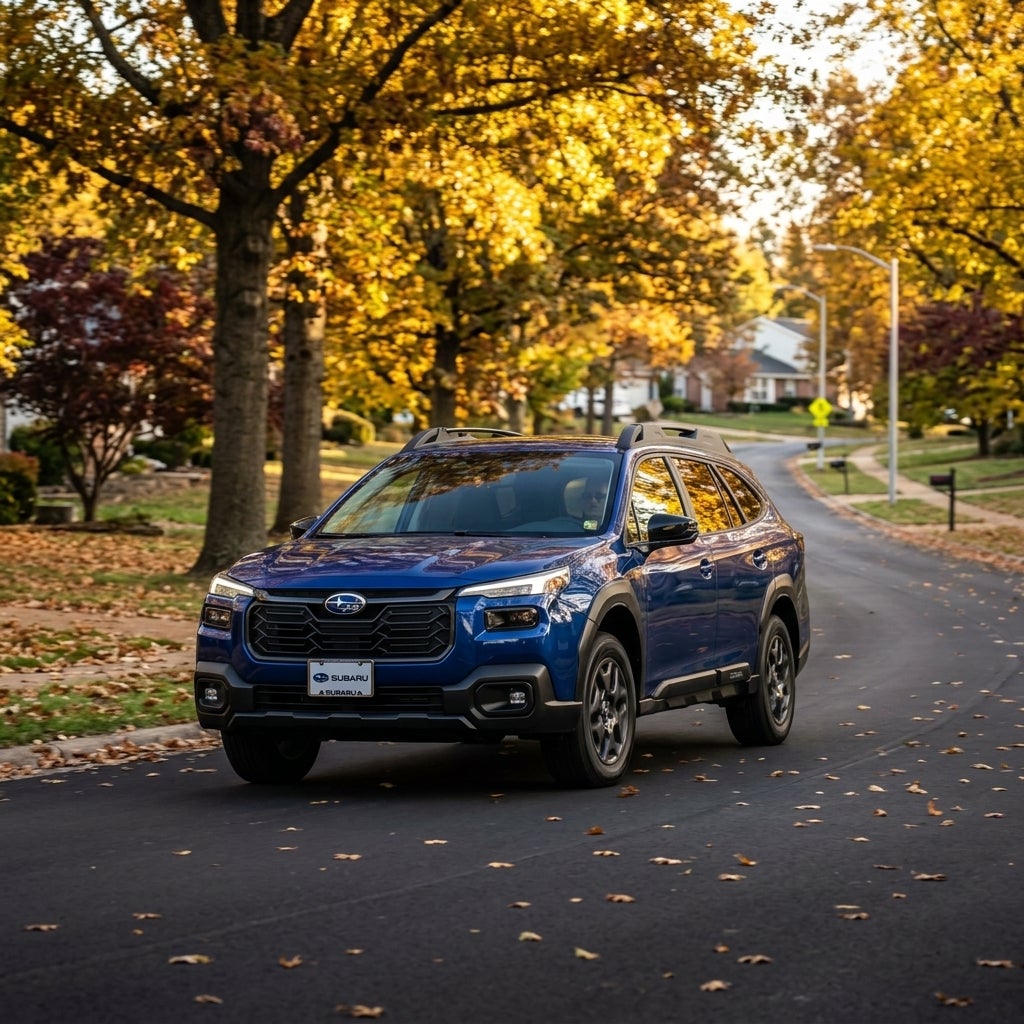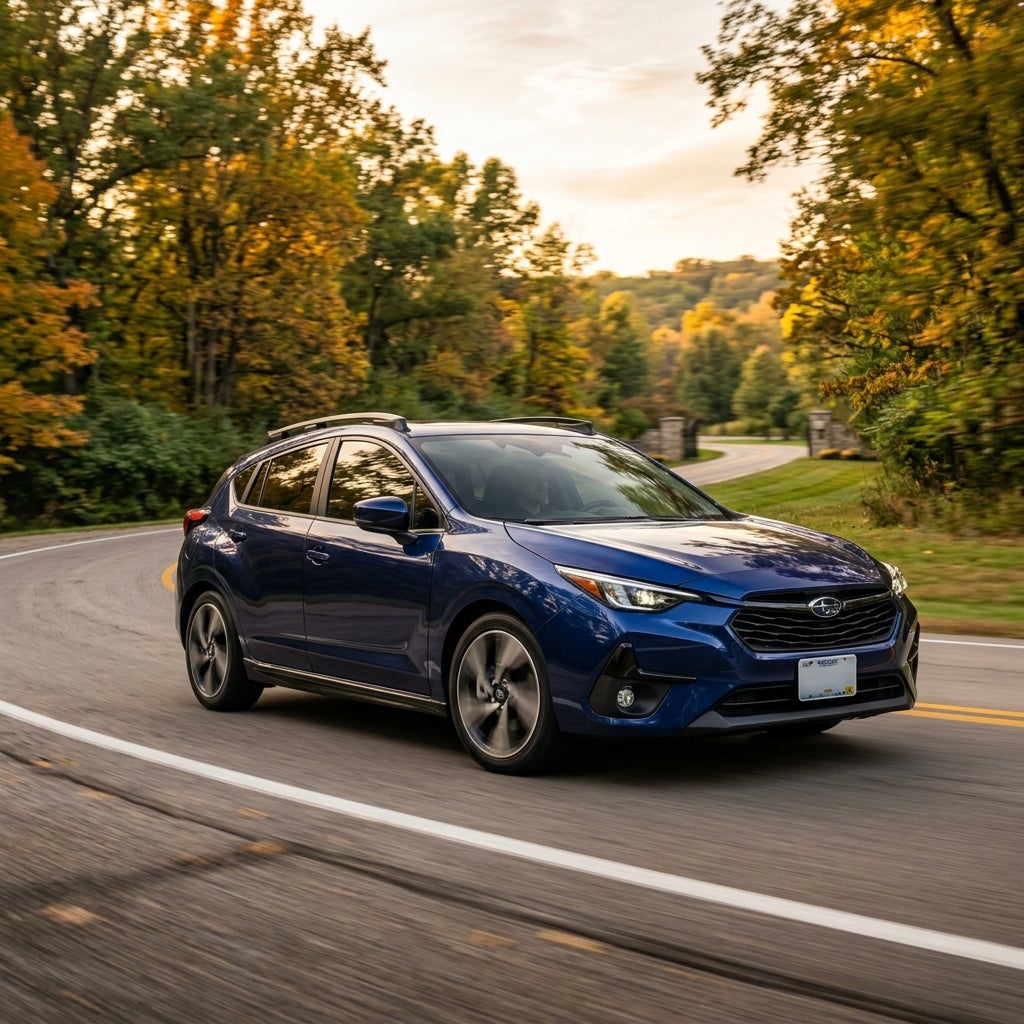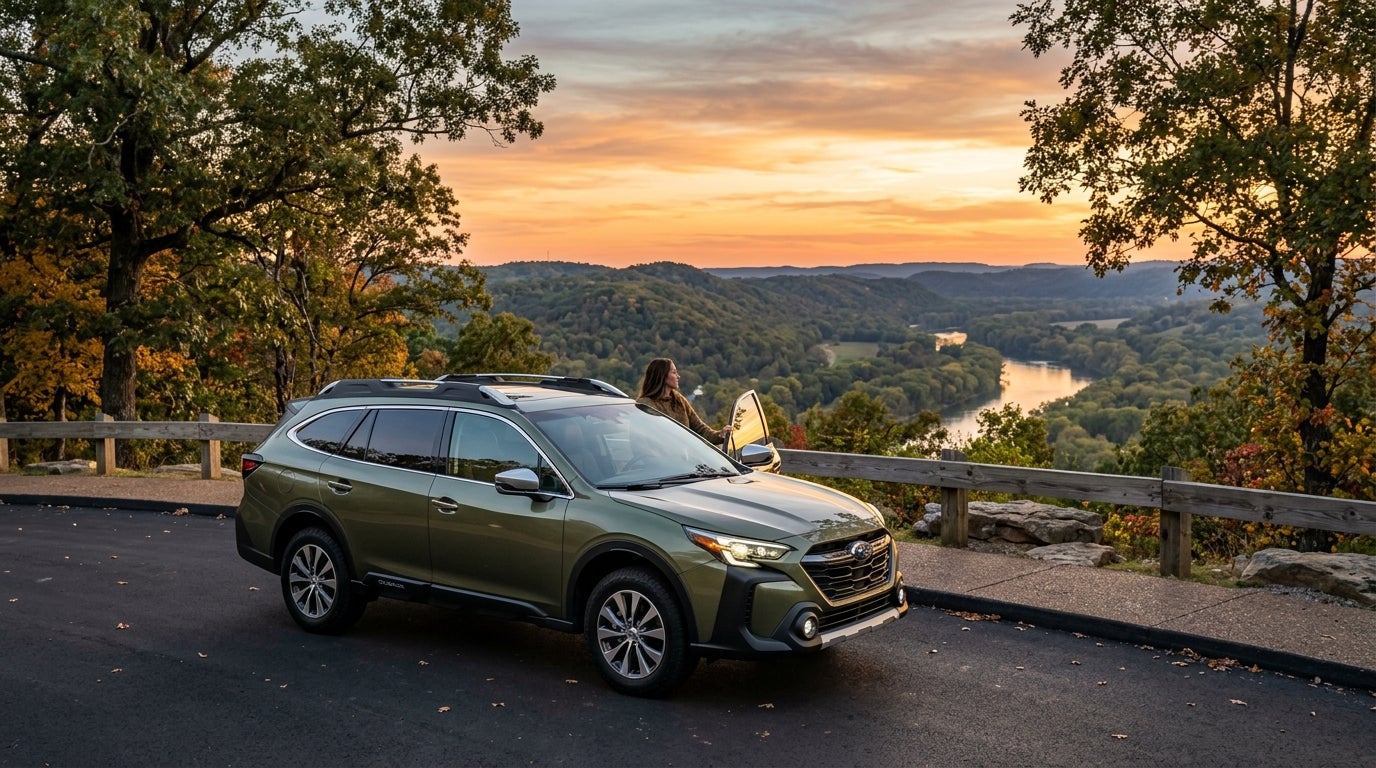

How Toyota e-Four Electric AWD Differs From Subaru Symmetrical AWD Mechanics Toyota e-Four Architecture Toyota's e-Four system represents a clever application of modern hybrid electronics. In models like the RAV4 Hybrid or Highlander Hybrid, the front combustion engine and primary electric motor drive the front wheels through a planetary gear transaxle. The rear wheels are completely decoupled physically from the front end. A small secondary electric motor (generating around 54 horsepower and 89 lb-ft of torque on typical crossover models) sits directly on the rear axle. Because there is no heavy prop shaft running underneath the cabin floorboards, e-Four reduces vehicle curb weight and eliminates mechanical friction losses during dry pavement cruising. This design allows Toyota hybrids to deliver exceptional EPA-estimated fuel economy. However, because the rear motor relies on high-voltage battery reserves and electronic sensors to react to wheel slip, power delivery to the rear wheels is dynamic rather than constant. Under continuous heavy drag—such as wading through deep mud, ascending steep loose gravel trails, or prolonged high-speed snow travel—the rear electric motor may reduce output to protect against thermal buildup. Subaru Symmetrical AWD Layout Subaru takes a fundamentally different mechanical approach rooted in rally racing heritage. The cornerstone of the system is the longitudinal Subaru BOXER engine, which lies flat and low in the engine bay along the vehicle's centerline. The transmission, transfer case, and driveshaft align in a perfectly straight, symmetrical line leading directly to the rear differential. This linear design distributes weight evenly between the left and right sides of the chassis, lowering the vehicle's center of gravity and reducing body roll. Mechanically, power flows non-stop through a continuously engaged active torque split coupling or center differential. If one or both front wheels encounter black ice on a bridge deck along Interstate 270, full engine output can be immediately routed mechanically to the rear wheels without waiting for sensors to wake up a separate electric motor. Driver inputs yield direct, mechanical feedback and predictable control in extreme weather. Comparing Winter Traction and Off-Road Capability Across Chesterfield and Ladue Terrain Living in the greater St. Louis metro region presents drivers with a wide mix of driving conditions throughout the year. Rolling hills in Chesterfield, unpaved back roads near West County parks, slick riverfront parkways, and sudden winter snowstorms require an AWD system that responds predictably under load. Steep Inclines & Ice When climbing steep, snow-dusted driveways in Ladue, Subaru's continuous mechanical torque split ensures all four tires bite into the road simultaneously from a dead stop. In contrast, electronic on-demand systems like e-Four must briefly detect front tire spinning before sending power back, which can cause momentary wheelspin before rear engagement. Deep Snow & Mud Navigating unplowed neighborhood roads or rutted trails near Babler State Park demands sustained power to all four corners. Subaru models equipped with dual-function X-MODE adjust throttle response, gear ratios, and VDC braking to crawl out of deep mud. Toyota e-Four works well in light slush but lacks the mechanical locking capability required for heavy drag. Highway Handling At 65 mph on wet pavement along I-64, Subaru Symmetrical AWD continuously stabilizes the vehicle against crosswinds and hydroplaning risks. Toyota e-Four primarily operates in front-wheel drive mode at higher highway speeds to conserve electric battery range, engaging the rear motor only during detected traction loss. Value Your Current Trade Does Toyota Own Subaru? The Toyota–Subaru Capital Alliance Explained A common question among vehicle shoppers in St. Louis is whether Toyota owns Subaru outright. The short answer is no: Subaru Corporation remains an independent Japanese automaker listed on the Tokyo Stock Exchange, with its own board of directors, corporate identity, engineering teams, and manufacturing facilities in Gunma, Japan and Lafayette, Indiana. However, the two companies share a strategic capital alliance that dates back to 2005. Over time, Toyota Motor Corporation has increased its equity stake in Subaru Corporation to approximately 20%. In turn, Subaru holds a minor equity share in Toyota. This mutual partnership allows both automakers to pool research and development capital for high-cost technologies such as battery electric vehicles, autonomous driving systems, and next-generation hybrid transaxles, while protecting each brand's unique engineering soul. Through this alliance, Subaru retains total control over its signature engineering hallmarks: the horizontally opposed Boxer engine layout, Symmetrical AWD chassis architecture, and EyeSight safety camera systems. Rather than homogenizing their vehicle lineups, Toyota and Subaru leverage shared platforms to offer buyers distinct driving dynamics and vehicle personalities. How Does the Subaru Solterra Compare to the Toyota bZ4X? The most prominent showcase of the Toyota-Subaru capital alliance is the co-developed battery electric crossover platform (e-Subaru Global Platform / e-TNGA). Manufactured at Toyota's Motomachi assembly plant in Japan, the Subaru Solterra and Toyota bZ4X share basic body structures, 72.8 kWh lithium-ion battery packs, and electric powertrain architecture. However, key tuning decisions reflect distinct brand priorities. Standard All-Wheel Drive While the Toyota bZ4X comes standard as a single-motor front-wheel drive electric vehicle with optional dual-motor AWD, every Subaru Solterra comes standard with dual-motor StarDrive AWD. Solterra delivers 215 horsepower and 249 lb-ft of instant electric torque split evenly across both axles. Subaru X-MODE Tuning Subaru engineers exclusively tuned the Solterra's dual-motor power management system with multi-mode X-MODE, featuring Snow/Dirt and Deep Snow/Mud settings. It includes Grip Control low-speed off-road cruise control, allowing the EV to tackle rugged trail obstacles that cause standard crossovers to lose traction. Ground Clearance & Rugged Styling The Subaru Solterra boasts a commanding 8.3 inches of ground clearance—surpassing typical electric crossovers—along with functional roof rails rated for heavy cargo gear, unique front cladding, and recalibrated electric power steering tuned for driver feedback on rough terrain. Do Toyota and Subaru Use the Same Engine in the BRZ and GR86? Yes! The iconic sports car duo—the Subaru BRZ and Toyota GR86—share a co-developed powertrain built in Subaru's Gunma plant in Japan. Both lightweight rear-wheel drive coupes utilize Subaru's 2.4-liter naturally aspirated FA24 horizontally opposed 4-cylinder Boxer engine. To maximize performance, the Boxer engine is paired with Toyota's D-4S dual-injection system, which combines direct cylinder injection and port fuel injection. This integration eliminates torque dips, yielding 228 horsepower and 184 lb-ft of torque. While the mechanical engine core is identical, Subaru and Toyota tuned the chassis and suspension differently. The Subaru BRZ features unique front aluminum knuckles, distinct spring rates, and a solid rear sway bar mounted directly to the body for neutral, precise cornering on twisty backroads. Explore New Subaru BRZ Inventory Does Toyota Supply Hybrid Technology and Components to Subaru Models? As automotive fuel economy standards advance, technology sharing across the capital alliance has deepened. A key benefit for Subaru drivers is access to Toyota's world-leading hybrid transmission technology. The previous-generation Subaru Crosstrek Hybrid plug-in model, for example, integrated Toyota Hybrid System (THS) electronic transaxles and battery management hardware. Crucially, Subaru engineers adapt Toyota's hybrid hardware to work with Subaru's proprietary mechanical AWD layout rather than adopting Toyota's e-Four setup. By mating a Toyota-sourced electronic planetary transaxle directly to a Subaru Boxer engine and a mechanical center transfer case, Subaru hybrids maintain permanent mechanical four-wheel traction while achieving superior fuel efficiency. For upcoming hybrid generations across popular lines like the Forester and Outback, Subaru continues to manufacture its own gasoline engines while incorporating Toyota hybrid transaxles for seamless reliability. Which Brand Offers Better Safety Technology: Subaru EyeSight or Toyota Safety Sense? Both Subaru and Toyota lead the automotive industry in driver-assist safety innovation, consistently earning Insurance Institute for Highway Safety (IIHS) Top Safety Pick+ awards across almost their entire model lines. However, their technological methods differ: Subaru EyeSight® Driver Assist Technology relies primarily on dual stereo color cameras mounted high behind the windshield. By mimicking human binocular vision, EyeSight precisely measures distance, speed, and depth of multiple objects ahead—including pedestrians, cyclists, and stopping traffic. Latest generations add a third wide-angle mono camera for enhanced intersection collision avoidance. Toyota Safety Sense (TSS) utilizes a hybrid combination of a single windshield-mounted camera and millimeter-wave radar mounted in the front grille. Both systems feature pre-collision braking, adaptive cruise control with lane centering, lane departure warning, and automatic high beams. Subaru EyeSight stands out for its smooth, natural throttle interventions and rapid object identification in dense highway stop-and-go traffic. Can You Service a Subaru Solterra or Hybrid at a Toyota Dealership? OEM Parts & Diagnostics While the Solterra and BRZ share components with Toyota models, factory warranty repairs and official Subaru software updates must be performed at an authorized Subaru dealership. Authorized service centers utilize proprietary Subaru Select Monitor diagnostic tools. Certified Technicians Subaru-certified master technicians undergo rigorous, ongoing training specifically covering StarDrive EV high-voltage systems, EyeSight calibration, and Boxer mechanical maintenance, ensuring your vehicle remains in factory-spec operating condition. Local Service Convenience For drivers residing in Maryland Heights, Sunset Hills, Kirkwood, and Fenton, scheduling service at Sunset Hills Subaru provides express maintenance options, factory recall checks, and genuine Subaru OEM parts backstopped by national warranty protection. Schedule Service and Diagnostics Which Vehicles Are Jointly Developed by Toyota and Subaru? To help local vehicle buyers navigate model comparisons, here is a breakdown of shared joint ventures versus pure independent Subaru engineering: • Subaru Solterra & Toyota bZ4X: Jointly engineered electric SUV platform with Subaru tuning for AWD and ground clearance. • Subaru BRZ & Toyota GR86: Co-developed sports coupe featuring a Subaru 2.4L Boxer engine and Toyota D-4S fuel injection. • Subaru Hybrid Lineup: Integrates Toyota Hybrid System (THS) transaxle electronics with Subaru Boxer engines and mechanical AWD. Meanwhile, core Subaru vehicles like the Subaru Outback, Subaru Forester, and Subaru Ascent are engineered 100% on the Subaru Global Platform with exclusive Subaru Boxer engines and full-time mechanical AWD. Test Drive Subaru Symmetrical AWD Models at Sunset Hills Subaru While reading technical comparisons provides valuable clarity, nothing replaces the hands-on experience of testing full-time mechanical Symmetrical AWD on the road. Feel the immediate throttle response, low center-of-gravity cornering stability, and continuous traction during a test drive at Sunset Hills Subaru. Whether you are looking for an all-electric Solterra, an adventure-ready Outback, or a versatile Crosstrek, our friendly team in Sunset Hills is ready to assist. Contact us for current financing information or review current trade options before visiting our showroom. Experience Subaru All-Wheel Drive Performance in Sunset Hills Today Visit Sunset Hills Subaru at 10100 Watson Rd, Sunset Hills, MO 63127 or give our sales team a call at (314) 476-9638. Conveniently located near I-270 and Watson Road, we serve drivers across St. Louis County, Kirkwood, Webster Groves, and Arnold. You can easily get directions to Sunset Hills Subaru to test drive our full inventory of all-wheel drive models today. Browse New Subaru Inventory AWD Systems Comparison in Sunset Hills MO | Sunset Hills Subaru