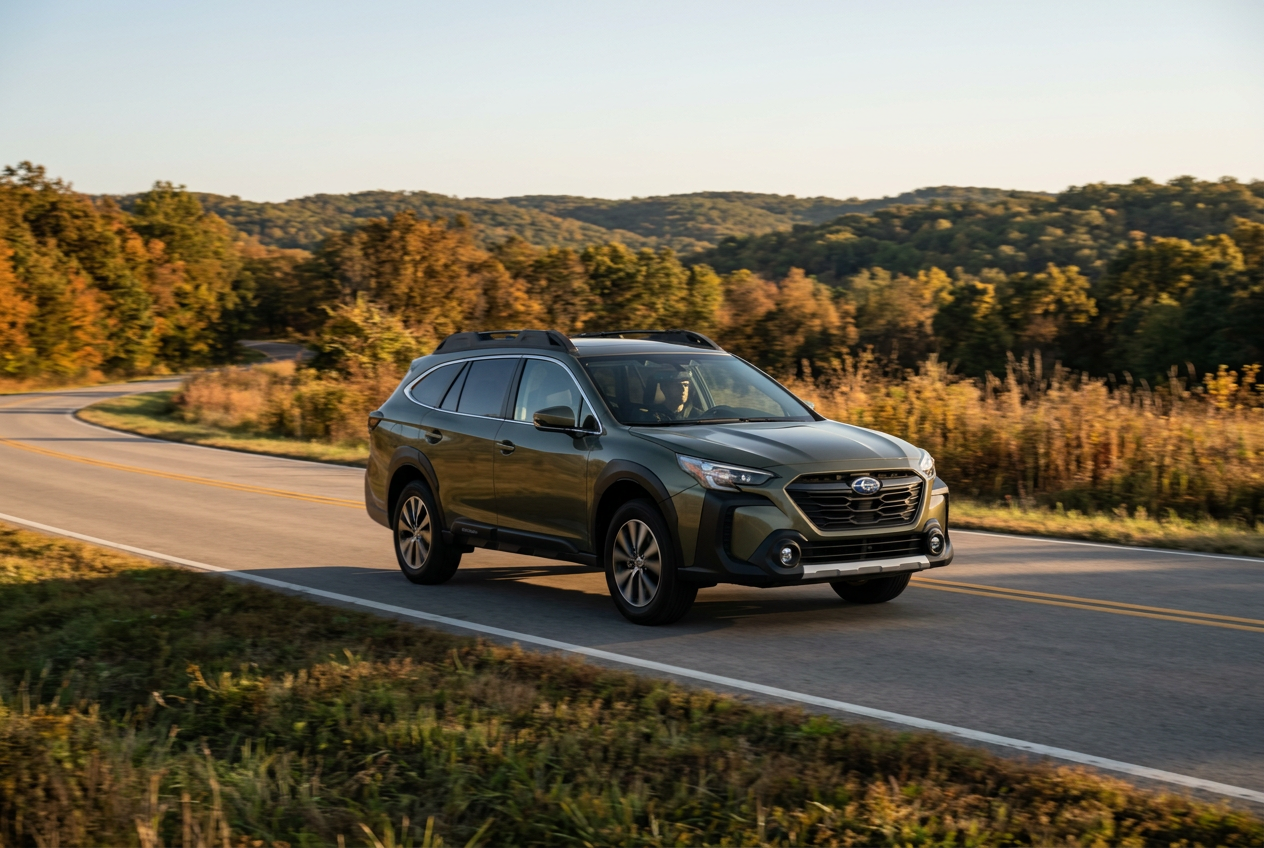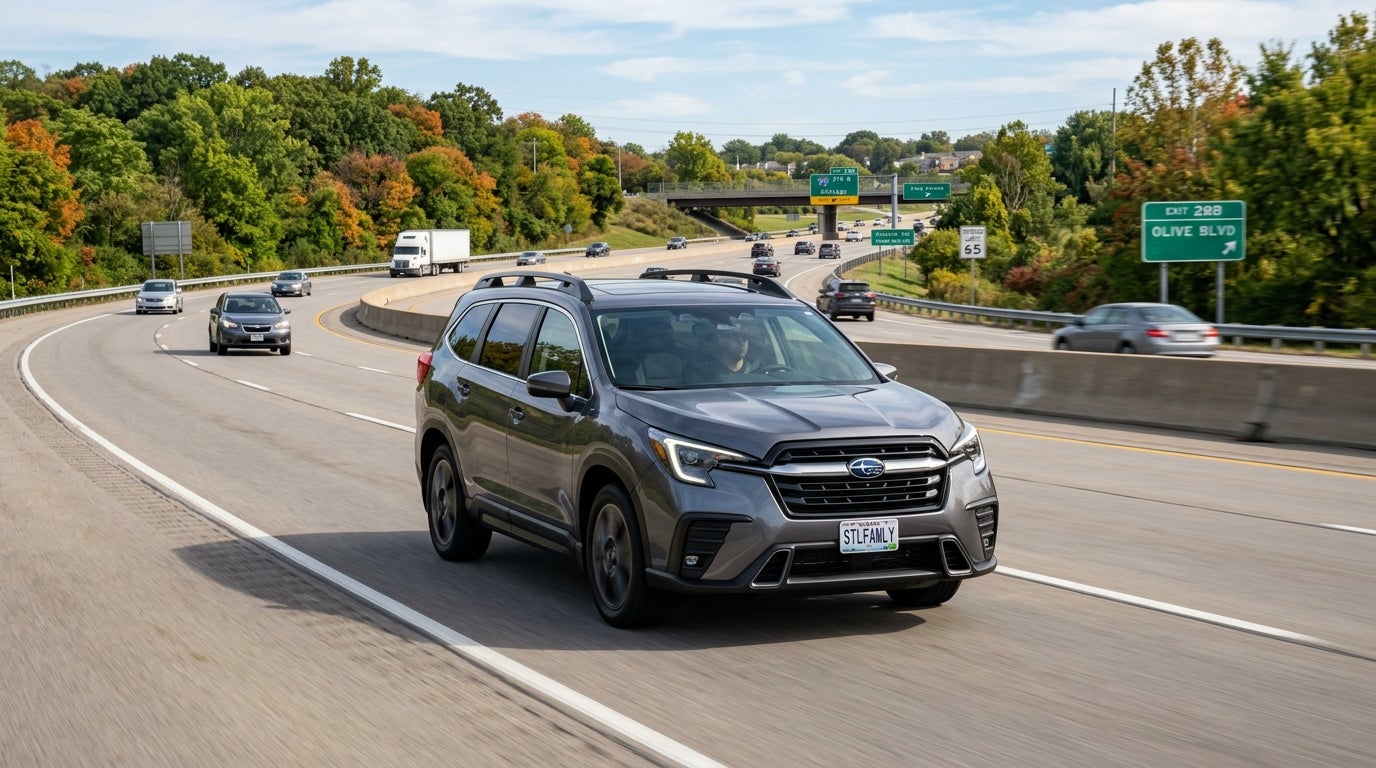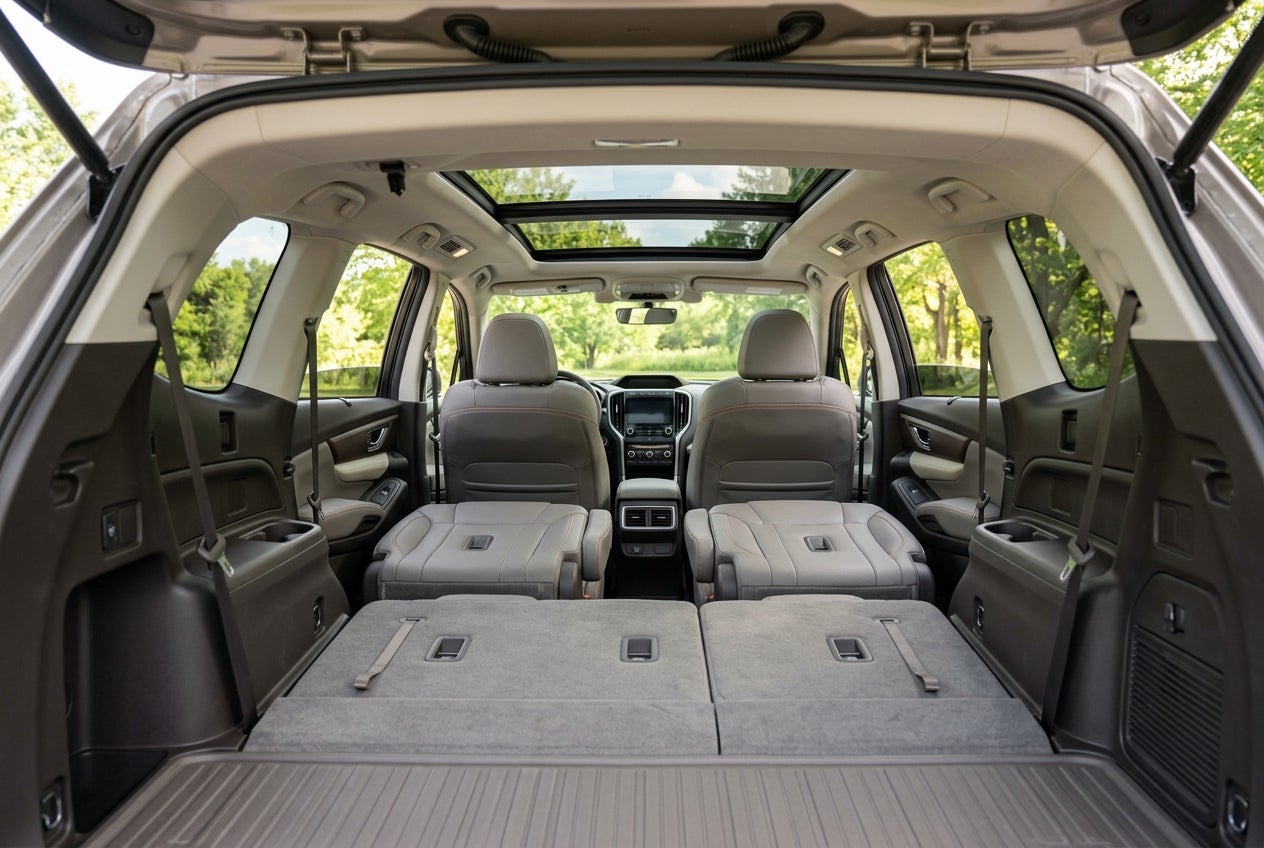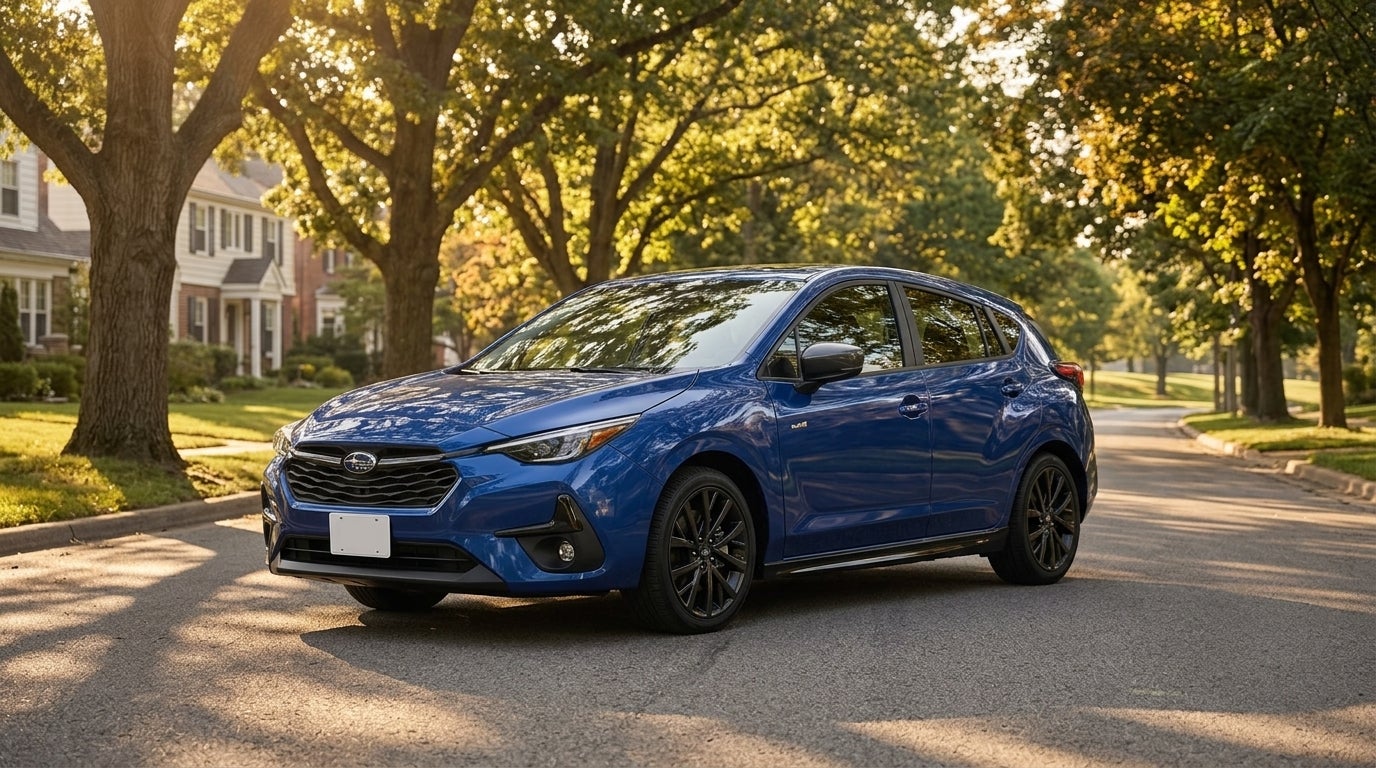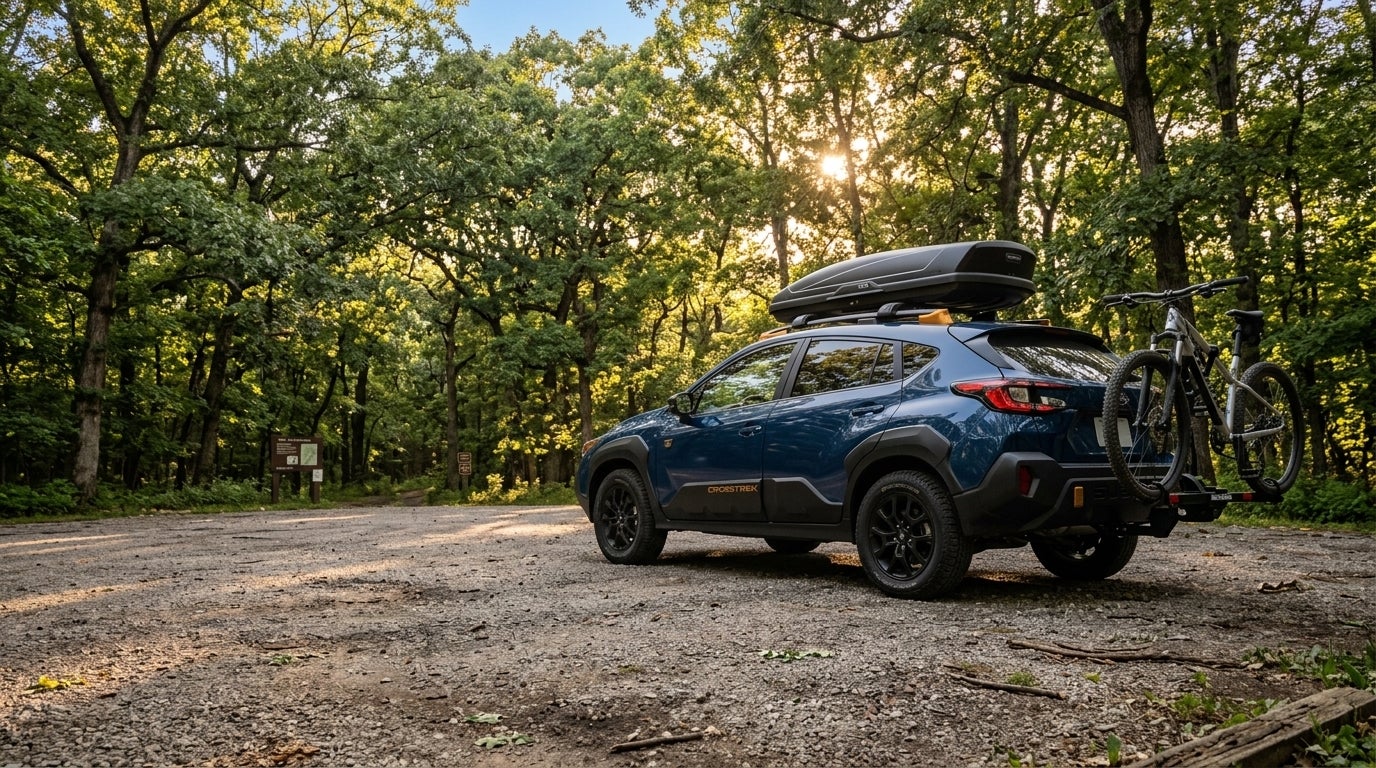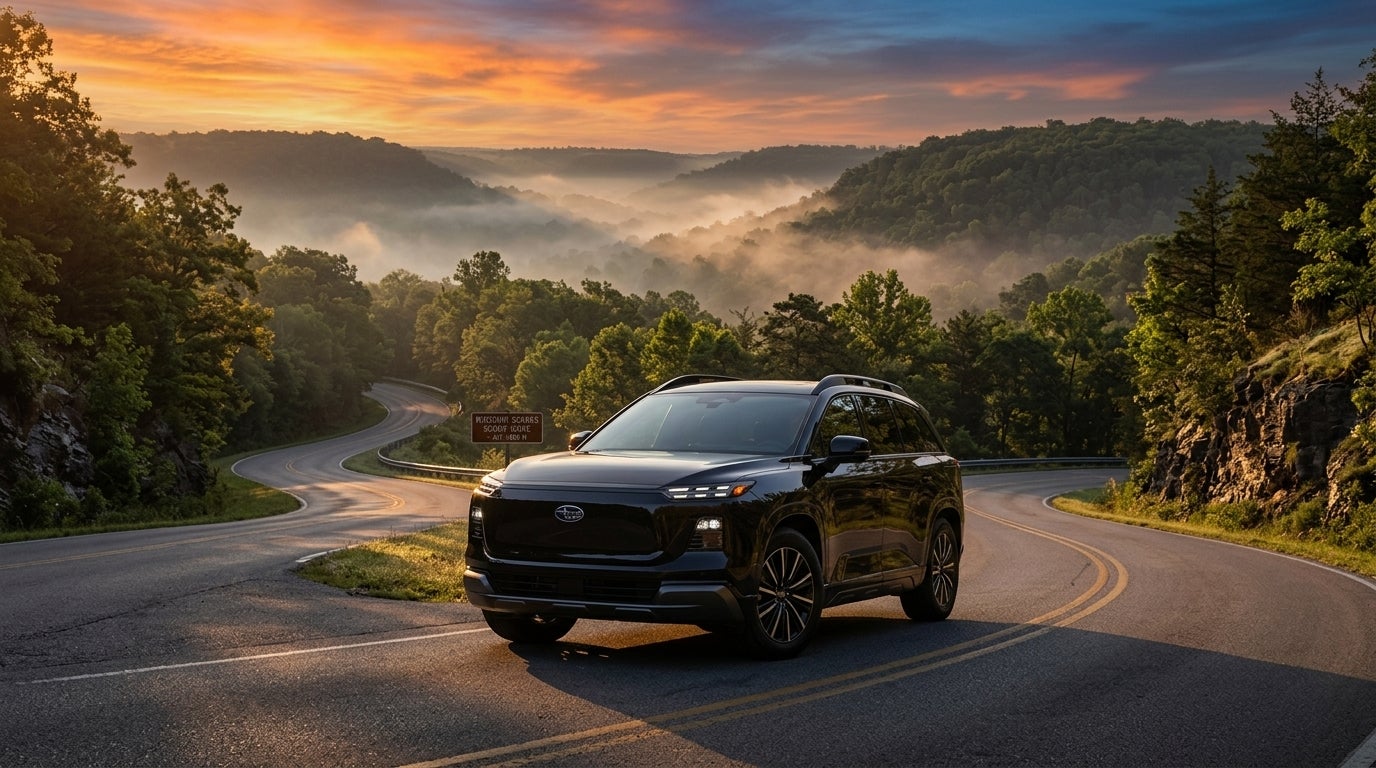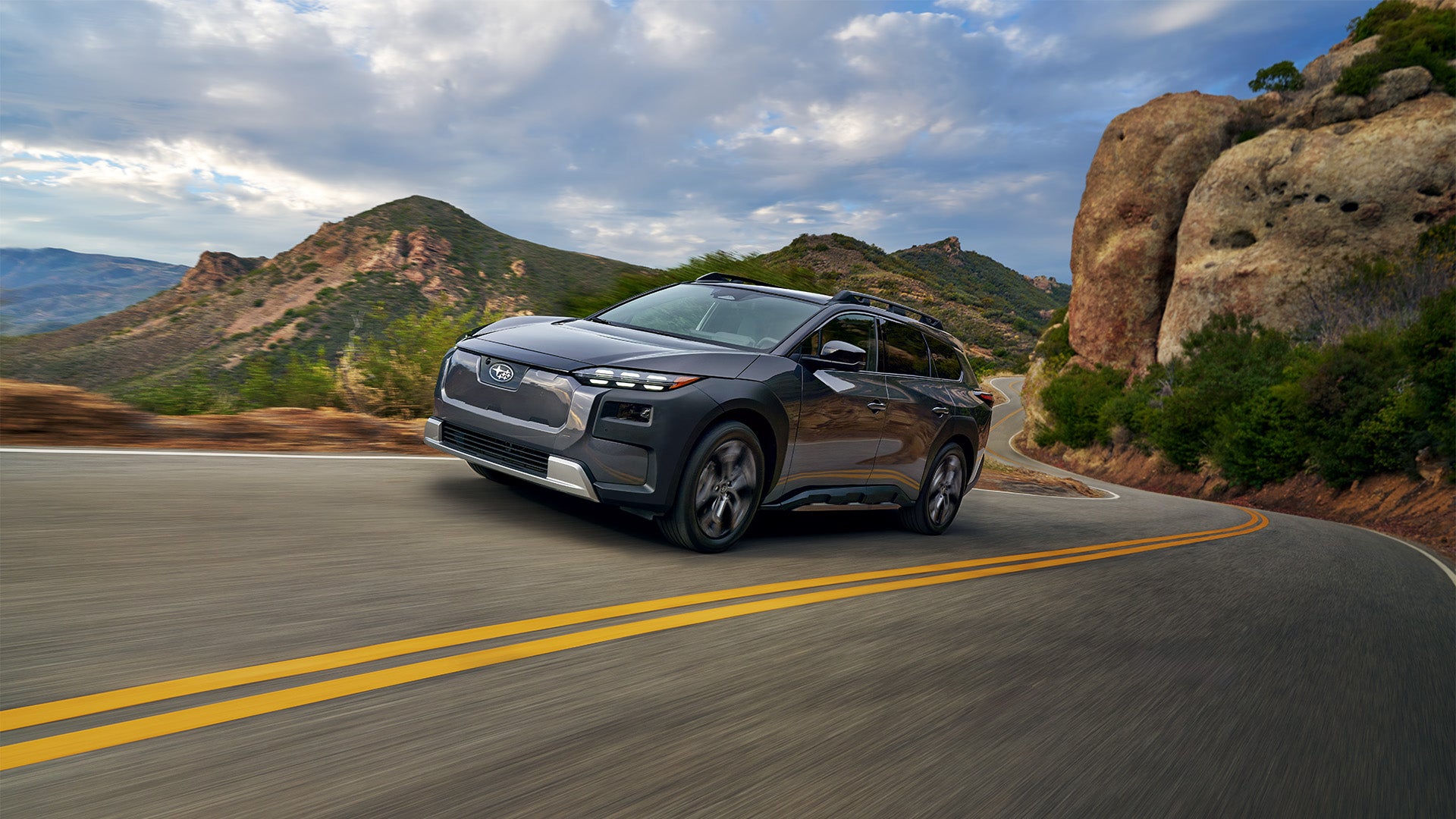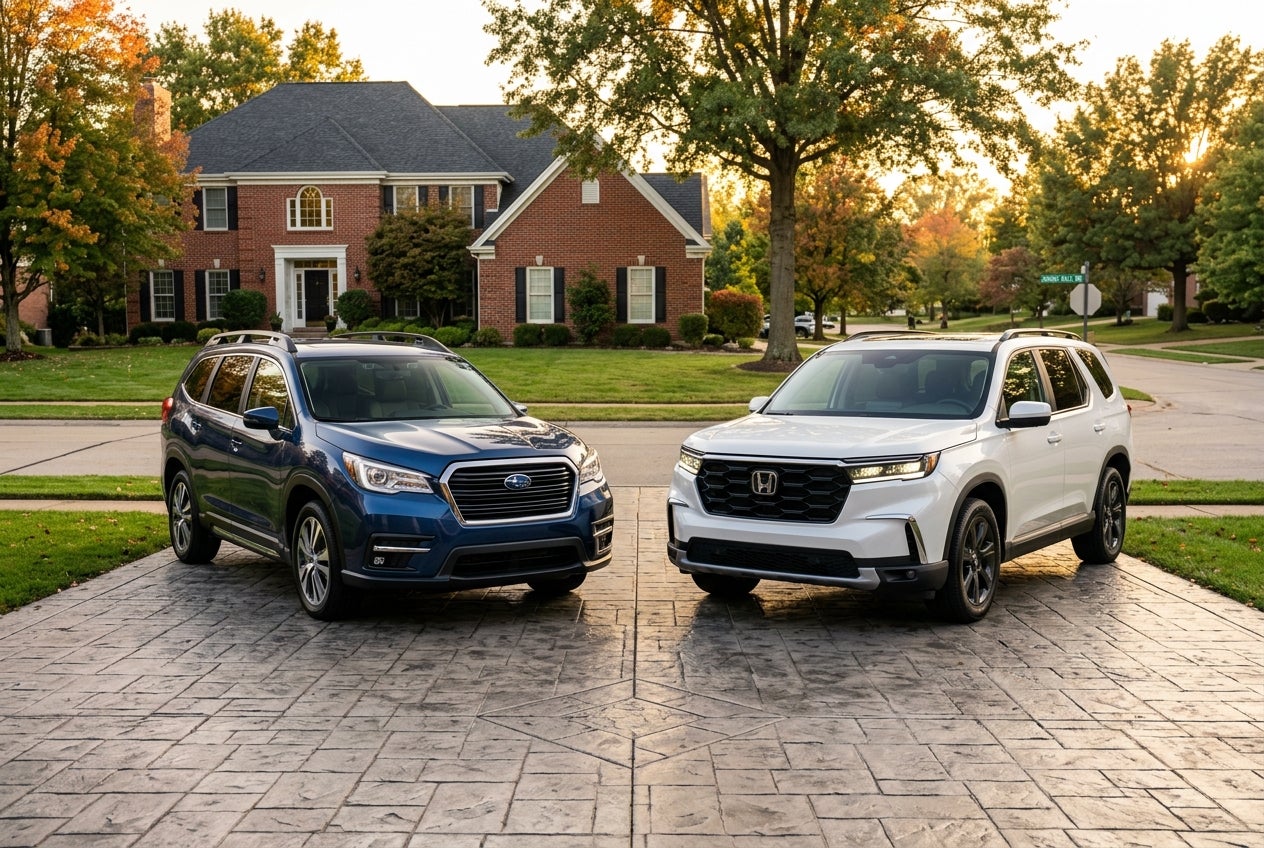

When you are staring down 500 miles of unbroken interstate pavement, secondary highway detours, and unpredictable Midwestern weather, the Subaru Outback is a strong choice in the lineup. A 500-mile journey is the ultimate litmus test for any crossover: it is long enough to reveal every ergonomic flaw, penalize inefficient fuel consumption, and test your endurance against wind noise and chassis vibration. Setting out from the St. Louis corridor down Interstate 44 toward the Ozarks or north along I-55 toward Chicago, the Outback strikes a masterclass balance that no traditional high-riding SUV can completely replicate. What cements the Outback as the quintessential long-hauler is its remarkable 590-plus mile highway cruising range when equipped with the naturally aspirated 2.5-liter Boxer engine and its generous 18.5-gallon fuel reservoir. Pairing that extended bladder-busting range with a full 8.7 inches of ground clearance gives you the dual advantage of high-riding clearance for gravel trails alongside the planted, low-center-of-gravity stability inherent to an extended station wagon platform. While the three-row New Subaru Ascent Inventory is the clear imperative for groups carrying six or seven passengers, and the Forester provides an unmatched upright greenhouse for vertical packing, the Outback is a compelling option for open-road composure, cargo versatility, and driver comfort. Highway Fuel Range Compared: How Far Can Each Subaru Travel on a Single Tank of Gas? On an 8-hour interstate trek, your time is determined as much by fuel stop frequency as your speedometer reading. Planning a departure from Sunset Hills or Maryland Heights toward destinations like Nashville (310 miles), Chicago (300 miles), or Kansas City (250 miles) reveals distinct personality traits across each nameplate's fuel capacity and aerodynamic profile. The Subaru Outback boasts an expansive 18.5-gallon fuel tank. When cruising at 70 mph, its slippery wagon silhouette enables realistic highway returns of 32 mpg, delivering an operational range well in excess of 550 to 590 miles. This means reaching your destination or conducting a full out-and-back day trip with fewer fuel stops along the way. By contrast, the compact Forester utilizes a 16.6-gallon tank and carries a taller, boxier frontal area that incurs slightly higher wind resistance, generating around 500 to 540 miles of theoretical range under optimal conditions. Subaru Model & Engine Fuel Tank Capacity EPA Highway Rating Estimated Highway Range 500-Mile Non-Stop Potential Outback 2.5L NA 18.5 gal 32 mpg 592 miles Exceptional (Single Tank) Outback XT 2.4L Turbo 18.5 gal 29 mpg 536 miles Strong (Single Tank) Forester 2.5L NA 16.6 gal 33 mpg 547 miles Moderate-High (Single Tank) Crosstrek 2.5L NA 16.6 gal 33 mpg 547 miles High (Single Tank) Ascent 2.4L Turbo 19.3 gal 26 mpg 501 miles Requires Mid-Trip Reserve Fill Ergonomics and Cabin Quietness: What Makes the Subaru Outback the Ultimate Multi-Hour Cruiser? Driver fatigue is rarely caused by the clock alone; it is caused by micro-adjustments in spinal posture, poor pelvic support, and continuous low-frequency tire hum resonating through the unibody. In the Outback, Subaru directly targeted these issues through the Subaru Global Platform (SGP), utilizing structural adhesive bonding that stiffens torsional rigidity while absorbing road imperfections before they transmit to the seat rails. Higher trim levels of the Outback feature a power thigh-support cushion extension on the 10-way adjustable driver's seat. For taller drivers traveling long highway stretches, this feature prevents the hamstring cramping and sciatic pressure points typical of standard compact seats. The multi-way lumbar contouring stabilizes the lower back, ensuring your posture remains aligned without requiring aftermarket support cushions. Acoustic engineering plays an equally pivotal role in sustained highway driving. The Outback integrates acoustic-laminated front side glass and a sound-dampening windshield to deflect high-speed turbulent wind sheer from the side mirrors and A-pillars. The result is a library-quiet cabin environment that dramatically reduces cognitive stress over 8 continuous hours of travel. Combined with a long 108.1-inch wheelbase, the Outback glides over pavement expansion joints and bridge transitions with a progressive dampening stroke. You do not suffer the sharp vertical pitch common in shorter-wheelbase utility vehicles, keeping you and your passengers refreshed well past mile 400. Naturally Aspirated 2.5L vs. 2.4L Turbocharged XT: How Engine Choice Impacts Road Trip Fuel Economy Selecting the right powertrain for cross-country touring requires balancing fuel budget against passing confidence. Subaru offers two primary configurations on its midsize platforms: the naturally aspirated 2.5-liter Boxer (182 hp, 176 lb-ft torque) and the 2.4-liter turbocharged XT (260 hp, 277 lb-ft torque). Here is how they stack up when you are covering hundreds of miles with gear on board. Naturally Aspirated 2.5L The standard 2.5-liter Boxer engine is tuned specifically for maximum thermal efficiency and low operational overhead. Cruising at constant throttle between 65 and 72 mph, it delivers up to 32 to 33 mpg highway. Over a 500-mile stint, this engine consumes roughly 16 gallons of regular 87-octane fuel, easily enabling single-tank crossings and reducing fuel costs. Turbocharged 2.4L XT The 2.4-liter Turbocharged Boxer changes the vehicle's personality. With peak torque available from just 2,000 RPM, merging into heavy interstate traffic, passing long semi-truck lines on two-lane mountain passes, and carrying 900 pounds of family gear feels completely effortless. Highway economy settles closer to 28-29 mpg, burning about 17.5 gallons per 500 miles. Payload & Topography If your itinerary includes tackling elevation changes in the Great Smoky Mountains or Colorado Rockies with a rooftop carrier, the XT powertrain maintains sea-level pulling power where naturally aspirated engines lose atmospheric density. For flatter Midwest corridors, however, the 2.5L engine remains a strong choice for fuel conservation. Explore New Subaru Outback Inventory Traveling with Passenger Crews: Does the Subaru Ascent Offer Second-Row Captain's Chairs for Long-Trip Comfort? For growing families and travel parties setting off from Chesterfield, Ladue, or Kirkwood, vehicle dimensions shift from a matter of preference to a matter of necessity. When your road trip party exceeds four passengers, the three-row Subaru Ascent transforms the group travel dynamic. Available second-row captain's chairs provide individual armrests, independent sliding rails, deep seat recline angles, and a convenient walk-through center aisle to the third row. This separation can help reduce shoulder contact between siblings on long interstate drives. Beyond passenger seating, the Ascent features up to 19 dedicated cup and bottle holders, ensuring insulated thermoses, sports bottles, and coffee mugs all have secure resting spots. Tri-zone automatic climate control allows rear passengers to maintain their preferred temperature zone without negotiating with the driver, while illuminated USB ports spanning all three rows keep personal tablets, smartphones, and gaming devices charged from origin to destination. Subaru Forester Road Trip Capability: How Hybrid Battery Placement and Cargo Dimensions Stack Up The Subaru Forester holds a unique place for touring enthusiasts who prioritize upright visibility and tall cargo packaging. Thanks to its generous glass greenhouse and elevated hip-point seating, the Forester offers good outward sightlines that reduce motion sickness for passengers and provide the driver with an commanding view of changing traffic patterns. In standard internal combustion configurations, the Forester offers up to 30 cubic feet of cargo volume behind the second row, expanding to 74 cubic feet when the rear 60/40 seats are folded flat. Its extra-wide rear gate opening (measuring over 49 inches across) easily accommodates bulky hard-shell suitcases, upright dog crates, and coolers without awkward angling. As hybrid powertrain configurations enter the modern Subaru landscape, cargo volume packaging requires precise engineering. By situating the compact high-voltage traction battery pack underneath the rear subfloor rather than encroaching directly upward into the main load floor, engineers have preserved critical interior hauling height. While underfloor hidden tray storage is slightly reduced in hybrid variants to house power electronics and battery cooling channels, the primary horizontal cargo floor remains exceptionally flat. This allows drivers to slide large duffel bags, camping gear, and emergency road equipment across the threshold with minimal compromise to long-distance utility. How Subaru EyeSight Driver Assist Enhances Highway Endurance, Heavy Rain, and Night Driving A 500-mile road trip rarely features pristine sunshine throughout its duration. Driving through the Midwest regularly brings torrential downpours along I-44, heavy crosswinds near I-64, and the visual fatigue of nighttime interstate driving. Subaru's dual-camera (and wide-angle mono camera equipped) EyeSight Driver Assist system provides vital active monitoring. Adaptive Cruise & Lane Centering Advanced Adaptive Cruise Control with Lane Centering operates seamlessly between 0 and 90 mph. By reading lane markings and gently applying micro-steering corrections, it keeps the vehicle centered within the lane. This drastically reduces the physical shoulder and neck strain drivers experience during endless multi-hour highway driving. Performance in Rain & Storms Because EyeSight's optical sensors are mounted internally behind the swept path of the windshield wipers, they resist the road grime, salt spray, and mud accumulation that quickly blinds exterior bumper radar sensors. In heavy rain, clear wiper sweeps allow EyeSight to maintain precise tracking of lead vehicles. Night Sight & Glare Control High-beam assist automatically switches between low and high beams on dark rural two-lane highways. Coupled with steering-responsive LED headlights that curve around dark corners, EyeSight offers helpful driver assistance for identifying unlit deer, road debris, and stalled vehicles. Browse New Subaru Inventory Sleeping Inside Your Vehicle: Can the Subaru Outback Accommodate Full In-Cabin Sleeping Setups? For outdoor adventurers and long-distance road trippers, having the ability to sleep comfortably inside your vehicle transforms road trip logistics. You eliminate expensive motel detours, avoid pitching wet tents in late-night rain, and gain the flexibility to rest whenever fatigue sets in. The Subaru Outback is widely celebrated as the premier car-camping platform because of its nearly flat interior load floor. When the second-row seats are folded down, the Outback provides over 75 inches (6 feet 3 inches) of continuous flat length from the rear liftgate to the back of the slid-forward front seats. This accommodates dual sleeping pads or a custom-fitted twin air mattress with ease. Leveling is critical for restorative rest. In the Outback, the transition from the rear cargo deck to the folded seatback has only a negligible 2-degree incline, which is easily leveled using a lightweight sleeping mat or foam pad. Overhead headroom remains ample, allowing adults to sit up comfortably without brushing against the headliner. Add in the Outback's interior rear gate release, rear 12-volt power port for inflating air mattresses, and deeply tinted privacy glass, and you have a practical vehicle-based sleeping setup for occasional overnight stays. Rooftop Cargo Boxes and Aerodynamics: Measuring the True Highway Fuel Economy Penalty When cabin space is occupied by kids, pets, or bulky gear, turning to roof rails is the standard solution. However, adding aerodynamic drag to the roof line directly affects high-speed fuel economy over a 500-mile journey. Here is a realistic look at what to expect when mounting roof accessories. The MPG Penalty Installing a low-profile rooftop box (such as a Thule Motion or Yakima SkyBox) imposes a measurable 10% to 15% reduction in highway fuel economy at 70 mph. On an Outback averaging 32 mpg, expect real-world consumption to dip to roughly 27 to 28 mpg, reducing single-tank range by about 75 miles. Integrated Retractable Rails One major structural advantage of the Outback is its integrated roof rail system with swing-in crossbars. When not hauling gear, the crossbars fold seamlessly into the side rails, helping reduce crossbar wind whistle and drag. When needed, they swing into place without tools in seconds. Optimal Packing Strategy Place dense, heavy items (cast iron stoves, water jugs, canned goods) low in the vehicle between the axles to maintain your low center of gravity. Reserve the rooftop cargo capsule for high-volume, lightweight gear such as sleeping bags, camp pillows, ground tarps, and folded winter jackets. Looking Ahead to Next-Generation Cruisers: Which 2027 Subaru Hybrid Offers the Longest Range? Powertrain technology is taking major strides forward as next-generation hybrid architectures arrive across the Subaru lineup. Touring drivers are watching upcoming releases like the projected 2027 Forester Wilderness Hybrid, which merges rugged all-terrain capability with high-efficiency hybrid propulsion. By uniting an electric transaxle motor with a proven Boxer combustion engine, the next-generation hybrid system could potentially offer highway range beyond 620 miles on a single fill-up. For drivers crossing long rural gaps across the Great Plains or western deserts where fuel stops are sparse, this added margin provides exceptional peace of mind. Beyond extended range, travelers frequently ask about financial incentives: do these hybrid setups qualify for federal clean vehicle tax credits? Traditional strong hybrid electric vehicles (HEVs) that charge exclusively via regenerative braking and engine power generally do not qualify for federal Section 30D plug-in tax credits, which require an external charging port and high-capacity battery. However, the long-term return on investment comes straight from fuel cost reduction and lower operational wear on brake pads via regenerative deceleration. Explore the New Subaru Forester Inventory to see current generation options and keep updated on arrival dates for next-generation hybrid inventory. Browse New Subaru Forester Inventory Essential Pre-Road Trip Service Checklist for Drivers Departing Chesterfield and Maryland Heights Before embarking on a 500-mile highway journey from Chesterfield, Maryland Heights, or South County, completing a thorough multi-point vehicle inspection prevents unexpected travel delays. Symmetrical All-Wheel Drive vehicles have specific mechanical requirements that demand proactive maintenance. Ensure your pre-trip service covers these four non-negotiable checks: • Tire Tread Depth & Pressure Calibration: Cold tire pressures should match the door jamb sticker exactly. AWD center differentials require all four tires to have closely matched rolling circumferences (within 2/32nds of an inch of tread depth). • AWD Differential & Transmission Fluid: Verify that front and rear differential oils are clear and filled to spec, especially when pulling trailers or heavily loaded cargo boxes. • Battery Cold Cranking Amps (CCA): High heat and cold snaps test older batteries. A quick digital load test ensures your alternator and battery cells handle sustained accessory loads. • Cabin Air Filter & Wiper Blades: Heavy cross-state highway driving pulls in highway particulate matter, exhaust soot, and dust. A fresh cabin air filter keeps HVAC airflow clean. Get Road-Trip Ready at Sunset Hills Subaru: Test Drives, Genuine Accessories, and Expert Service Whether you are outfitting your trusted cruiser for an upcoming cross-country odyssey or stepping into a new Outback, Ascent, or Forester, our team at Sunset Hills Subaru is here to help you hit the highway with complete confidence. Conveniently located at 10100 Watson Rd in Sunset Hills, MO, we provide everything needed for unforgettable journeys. Explore our wide selection of vehicles, equip your model with genuine Subaru crossbars and all-weather floor liners, or Get your value trade on your current vehicle toward your next adventure machine. Need pre-departure maintenance? Let our factory-trained technicians run complete diagnostics, test tire treads, and verify fluid integrity. Ready to get started? Get Directions to Sunset Hills Subaru to visit our showroom, or call our team directly at Call (314) 476-9638 to speak with a specialist today. Schedule Service and Diagnostics Subaru Outback in Sunset Hills, MO | Sunset Hills Subaru