
Inside Subaru's Shift: Is the Manual Transmission Era Coming to an End?
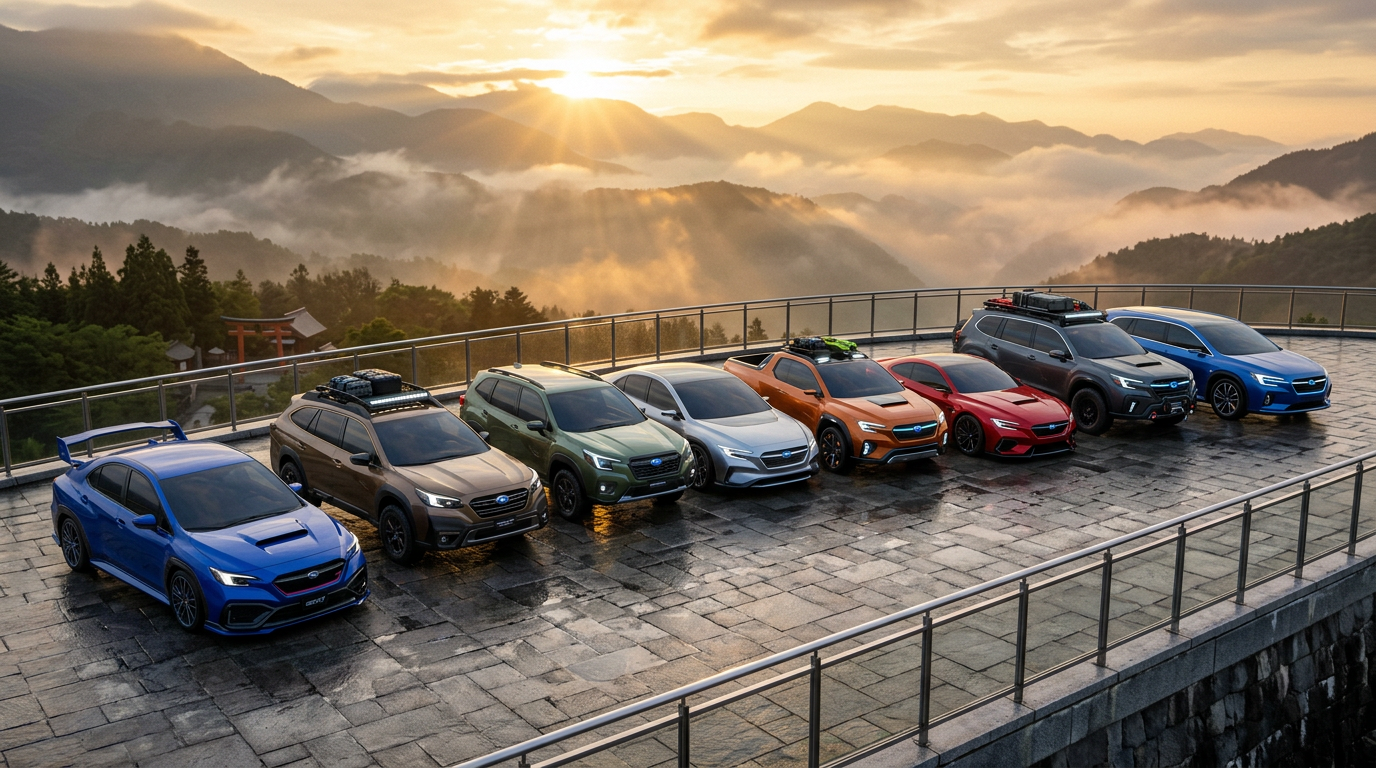
For decades, the Subaru name has been synonymous with a very specific kind of automotive joy: the tactile, mechanical connection of a symmetrical all-wheel-drive system paired with a crisp manual gearbox. From the snowy mountain passes of the Pacific Northwest to the winding suburban avenues right here in Sunset Hills, Missouri, generations of drivers have sought out Subaru specifically because it kept the flame of three-pedal driving alive. But as the automotive landscape undergoes the most seismic shift in its history, a quiet tension is building inside Subaru’s global headquarters. The industry-wide march toward electrification is no longer a distant projection; it is a current reality. This transition raises a profound, almost existential question for enthusiasts: Is the rise of electric vehicles the definitive end of the manual transmission?
To understand where Subaru is going, we have to look closely at the engineering demands of modern powertrains. Electric motors produce maximum torque from zero RPM, requiring entirely different gear ratios and power delivery systems than traditional internal combustion engines. At the same time, safety suites like Subaru’s signature EyeSight Driver Assist Technology have historically struggled to interface seamlessly with manual gearboxes, leading to a natural consolidation of transmission choices. Yet, Subaru is a brand fiercely loyal to its community. They understand that for many, a car is not merely an appliance to get from point A to point B, but a vessel for self-expression and mechanical engagement.
In this deep-dive exploration, we will pull back the curtain on Subaru’s evolving engineering strategy. We will examine which models continue to champion the manual shifter, analyze the regulatory and market forces that have led to its removal from popular daily drivers, and look ahead to the highly anticipated performance hybrid and electric systems of tomorrow. Whether you are a lifelong WRX enthusiast who loves the mechanical notchiness of a six-speed, or a forward-looking commuter curious about how regenerative paddles compare to a traditional clutch, this guide will provide a comprehensive look at the road ahead. Sunset Hills Subaru is proud to serve as your local authority during this thrilling automotive evolution.
Discover how Subaru’s plans for hybrid and electric cars might redefine their iconic models, challenging traditional notions of performance, styling, and the STI badge, by watching the Subie Talk podcast with insider experts Awais Irfan and Aaron Smith
Which 2026 Subaru Models Still Offer a Manual Transmission?
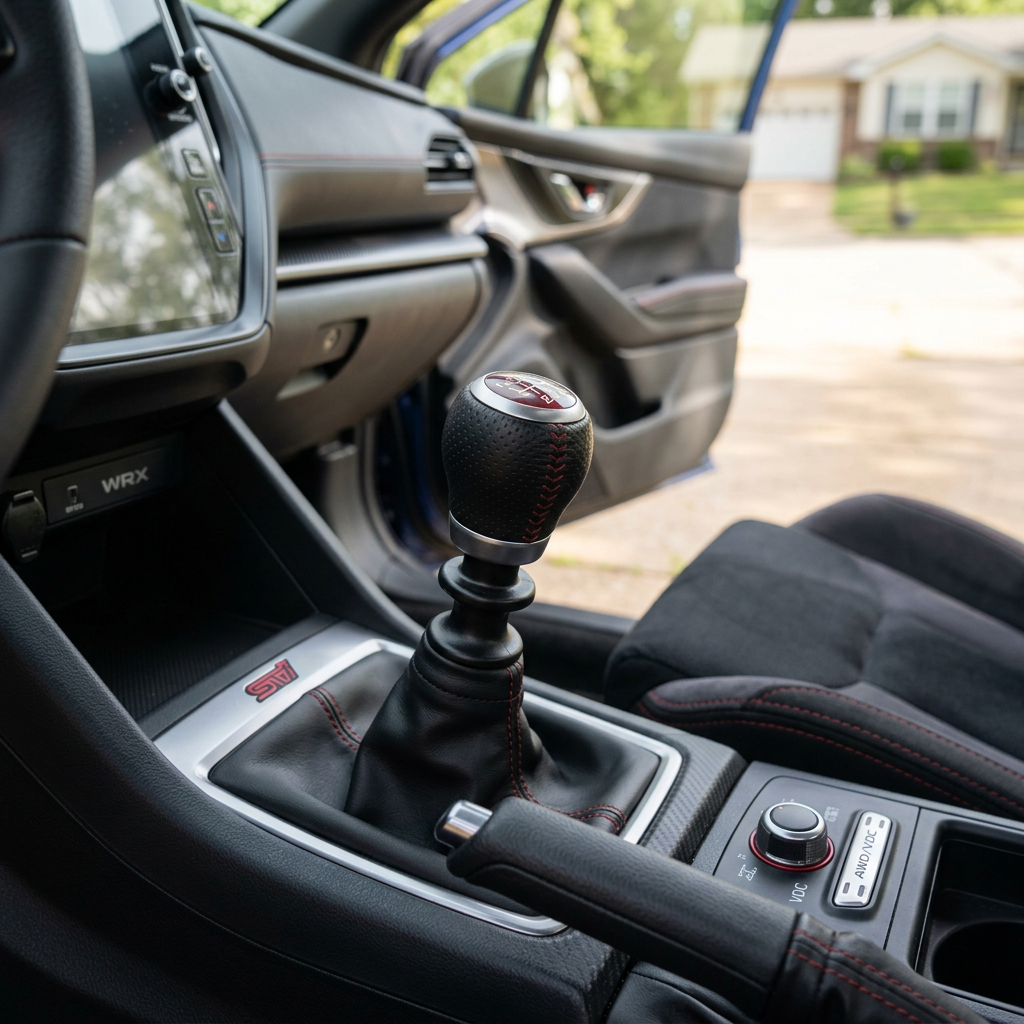
Why Did Subaru Drop the Manual Transmission in the Crosstrek and Impreza?
How Does Subaru's Electrification Strategy Affect Performance Models Like the WRX?
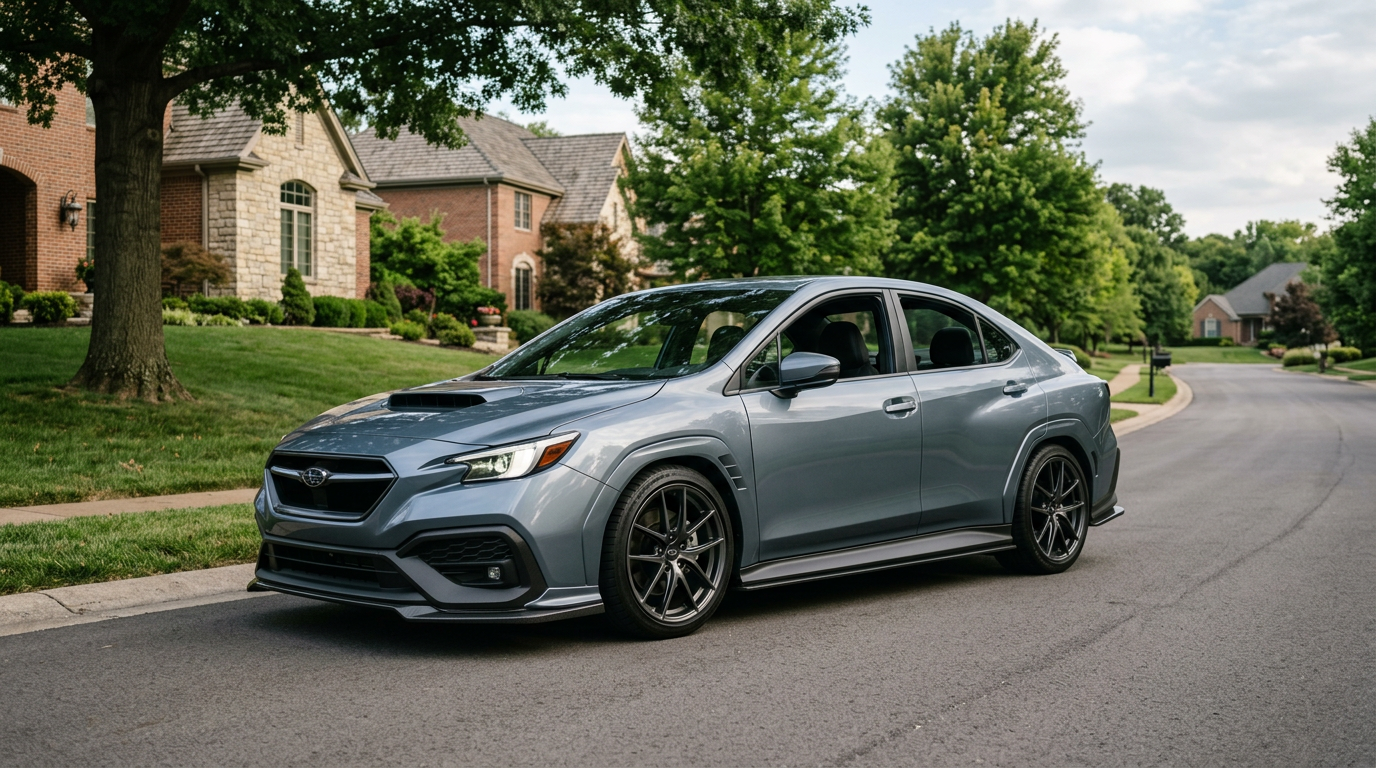
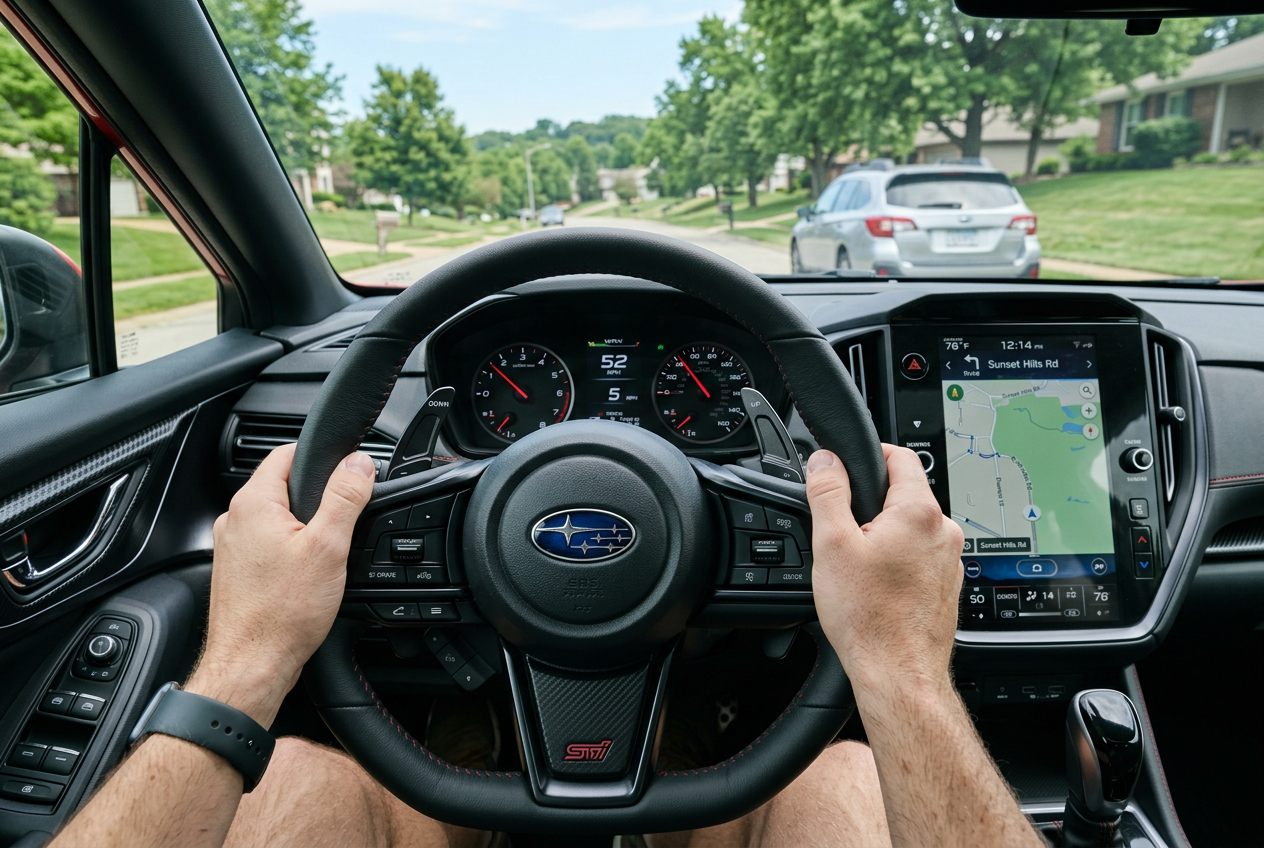
Understanding the Subaru Performance Transmission (SPT) and Its Role
|
Feature / Metric |
6-Speed Manual Transmission |
Subaru Performance Transmission (SPT) |
|---|---|---|
|
Driver Engagement |
Ultimate physical control with three pedals |
Highly responsive with paddle shifters |
|
Shift Speed |
Dependent on driver skill (approx. 300-500ms) |
Ultra-fast automatic upshifts (up to 30% faster) |
|
Fuel Efficiency |
Optimized by driver gear selection habits |
Consistently optimized by adaptive software control |
|
Safety Integration |
EyeSight standard (requires manual clutch management) |
Full EyeSight integration with advanced stop-and-go adaptive cruise |
Performance Showdown: Manual Subaru WRX vs. Honda Civic Type R
When it comes to pure driver’s cars under the $45,000 mark, the manual Subaru WRX and the Honda Civic Type R represent two completely different approaches to performance engineering. Both feature excellent manual gearboxes, but how they deploy their power and interface with the driver creates two entirely distinct driving personalities.
Is a Manual Subaru WRX Practical for Daily Driving in Sunset Hills' Suburban Traffic?
Living and commuting around Sunset Hills, MO, means navigating a mixture of open, rolling hills, scenic county roads, and heavy stop-and-go congestion along Watson Road and Interstate 270 during peak rush hours. For many potential buyers, the thought of operating a manual clutch in daily suburban traffic can feel daunting. Is the physical effort of a manual transmission worth the reward when you are stuck in a crawl?
Fortunately, the modern WRX features a highly refined, remarkably light clutch pedal compared to older sports cars. The clutch engagement point is wide and forgiving, making slow-speed crawling far less exhausting. Furthermore, the standard Hill Start Assist system prevents the vehicle from rolling backward when starting on steep inclines—a massive stress-reliever when stopped on the rolling hills of St. Louis County. When you do break free of the highway congestion, the ability to drop a gear and feel the turbocharged engine respond instantly on winding side roads makes every daily commute feel like an adventure.
However, if your daily commute consists almost entirely of stop-and-go traffic, or if you share a vehicle with family members who prefer not to drive a stick, the SPT model offers the perfect compromise. You get the peace of mind of an automatic in heavy traffic, paired with responsive paddle shifters for weekend joyrides. We invite you to visit Sunset Hills Subaru to test drive both configurations back-to-back to see which fits your lifestyle best.
The Cost and Considerations of Replacing a Subaru WRX Clutch
Owning a performance vehicle with a manual transmission comes with unique maintenance considerations, the most significant of which is the clutch. Unlike automatic transmissions, which utilize fluid torque converters, a manual gearbox relies on a physical friction disc that naturally wears down over time. Depending on driving habits, a typical Subaru WRX clutch can last anywhere from 60,000 to over 100,000 miles. However, aggressive launches, slipping the clutch excessively on hills, or heavy track use can significantly accelerate this timeline.
When the clutch begins to slip—often noticed first as the engine RPMs rise quickly under load without a matching increase in vehicle speed—it is time for a replacement. Replacing a WRX clutch is a labor-intensive process that involves separating the engine or the heavy Symmetrical AWD transmission from the vehicle. A professional clutch replacement at Sunset Hills Subaru includes installing a new clutch disc, pressure plate, release bearing, and either resurfacing or replacing the flywheel to ensure smooth, chatter-free engagement.
To keep your vehicle performing at its absolute best and avoid premature wear on your drivetrain, we always recommend using OEM Subaru components installed by factory-trained technicians. If you suspect your clutch is slipping or notice a stiff pedal, you can easily Schedule Service and Diagnostics with our expert team. Don’t forget to review our Service and Parts Information for valuable coupons on major repairs and maintenance.
Will Subaru Ever Offer a Manual Transmission in an Electric Vehicle?
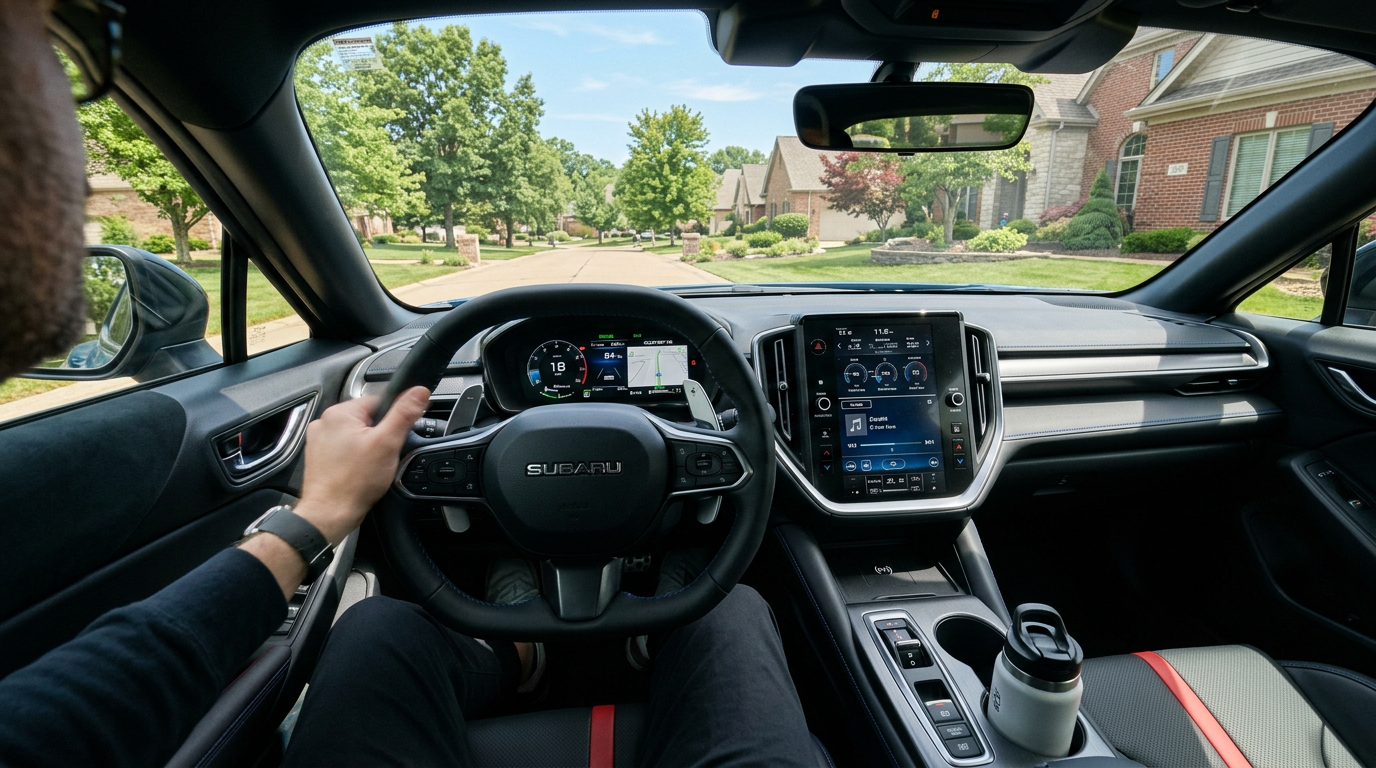
How Do Regenerative Braking Paddles Work in the Subaru Solterra?
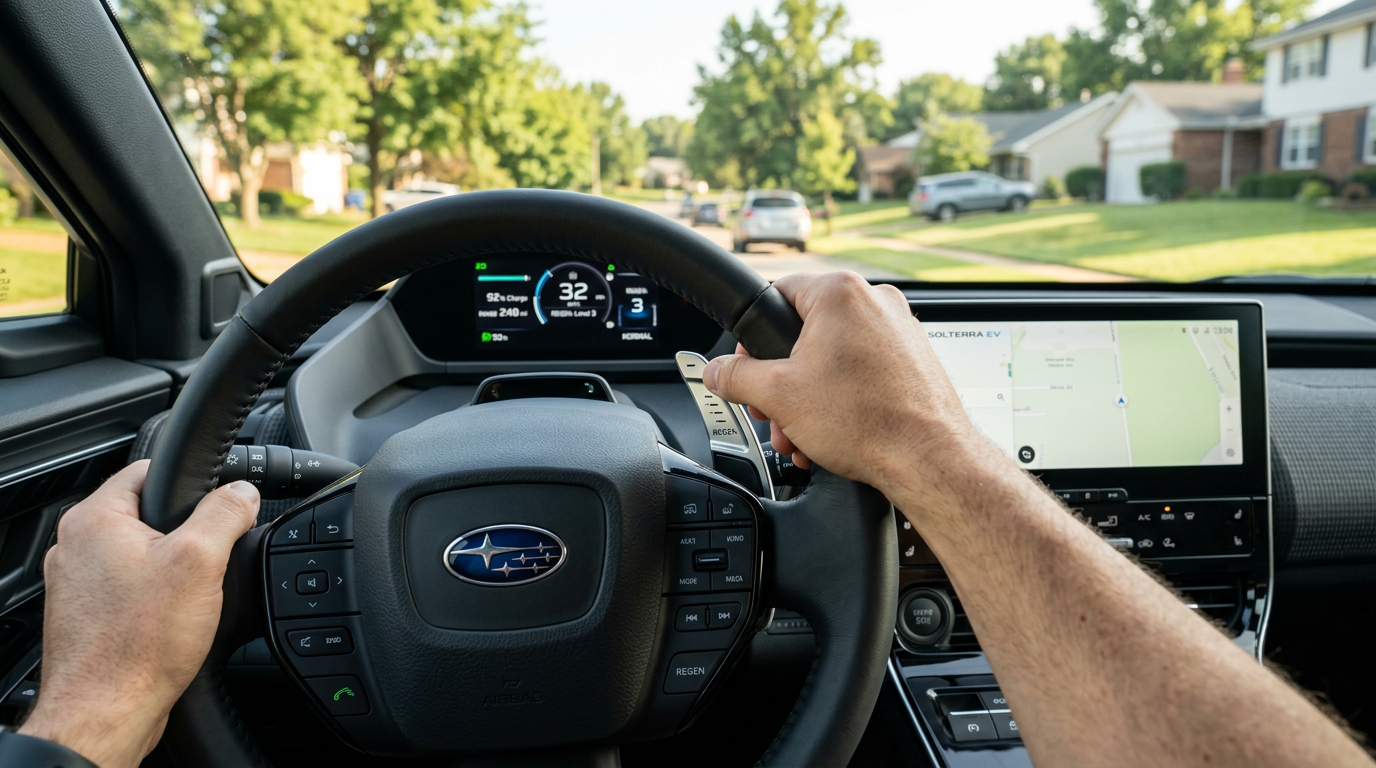
Is Subaru Planning a Hybrid or Electric WRX? What to Expect Next
As emissions regulations grow tighter, rumors of an electrified future for the WRX have intensified. While Subaru has not officially announced exact timelines, industry insiders and concept vehicles suggest that the next generation of the iconic WRX will heavily feature electrification. The most likely path forward is a high-performance hybrid system, combining a turbocharged Boxer engine with powerful electric motors on the rear axle. This setup would allow Subaru to preserve the visceral mechanical feel of an internal combustion engine while utilizing electric boost to fill in turbo lag and drastically lower emissions.
Looking further down the road, a fully electric WRX—potentially bearing the legendary STI badge—is inevitable. When this transition occurs, purists can rest assured that Subaru’s defining feature, Symmetrical All-Wheel Drive, will evolve rather than disappear. Instead of heavy mechanical driveshafts and differentials, an electric WRX will likely utilize a dual-motor or quad-motor setup, providing precise, instantaneous torque vectoring to each individual wheel. This will allow for levels of cornering grip and agility that mechanical systems could only dream of.
While we wait for these futuristic performance machines to arrive, you can explore the cutting edge of Subaru’s current electric engineering by browsing our New Subaru Solterra Inventory. Ready to bring home a piece of performance history? Feel free to Explore financing options online before visiting our showroom.
Can Hybrid Vehicles Use a Traditional Manual Transmission?
One of the most common questions among performance enthusiasts is whether hybrid vehicles can be paired with a traditional manual transmission. Technically, the answer is yes—but it is highly complex. In the past, vehicles like the Honda CR-Z successfully paired a manual gearbox with a mild-hybrid electric motor integrated directly onto the engine’s crankshaft. However, as hybrid systems have grown more powerful and integrated, pairing them with manual transmissions has become increasingly difficult.
Modern full-hybrid systems rely on complex planetary gearsets or dual electric motors that constantly split power between gasoline and electric sources. For these systems to operate smoothly and efficiently, the vehicle’s computer must have absolute control over engine load and RPM. A manual clutch interrupts this delicate balance, making it incredibly difficult for the hybrid software to seamlessly transition between electric power, gas power, and regenerative braking. Consequently, most automotive engineers, including those at Subaru, favor advanced automatic or direct-drive systems for their hybrid lineups.
Explore the Latest Subaru Inventory and Financing Options at Sunset Hills Subaru
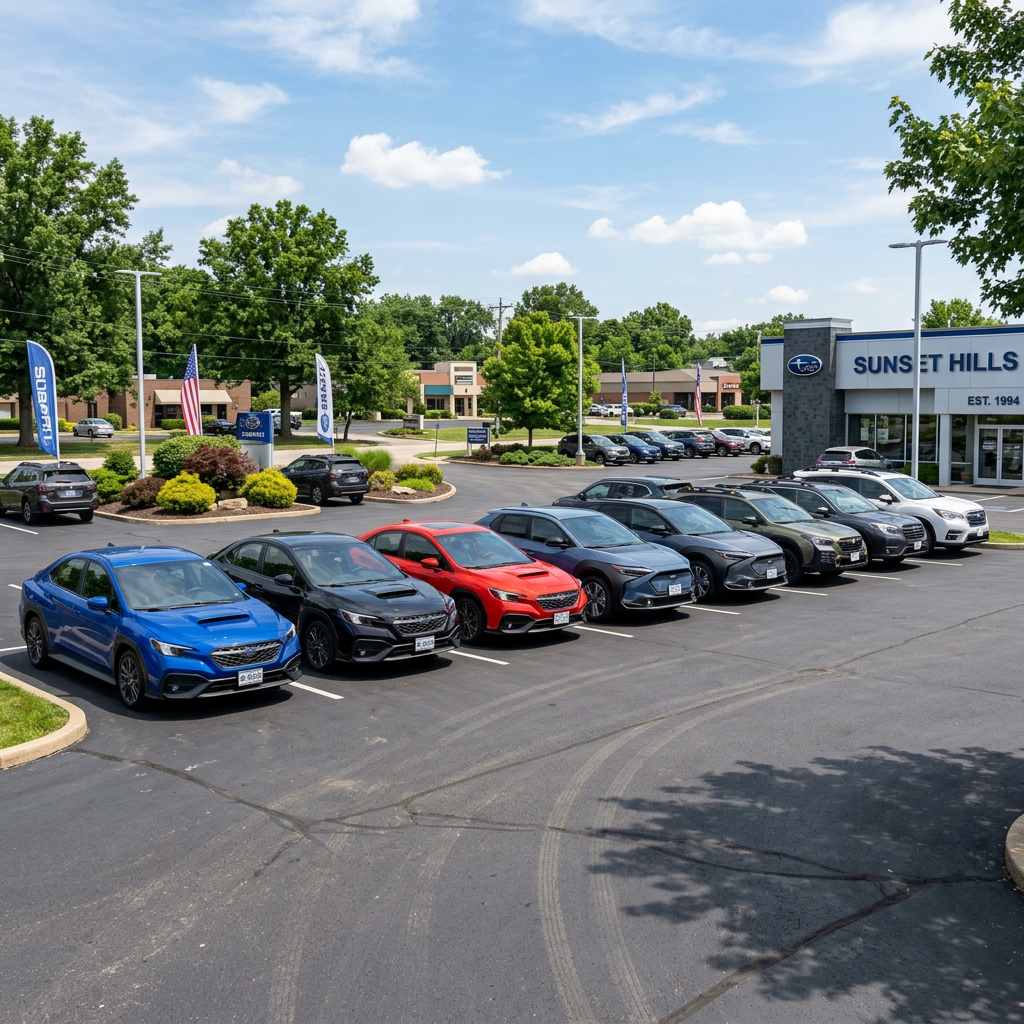
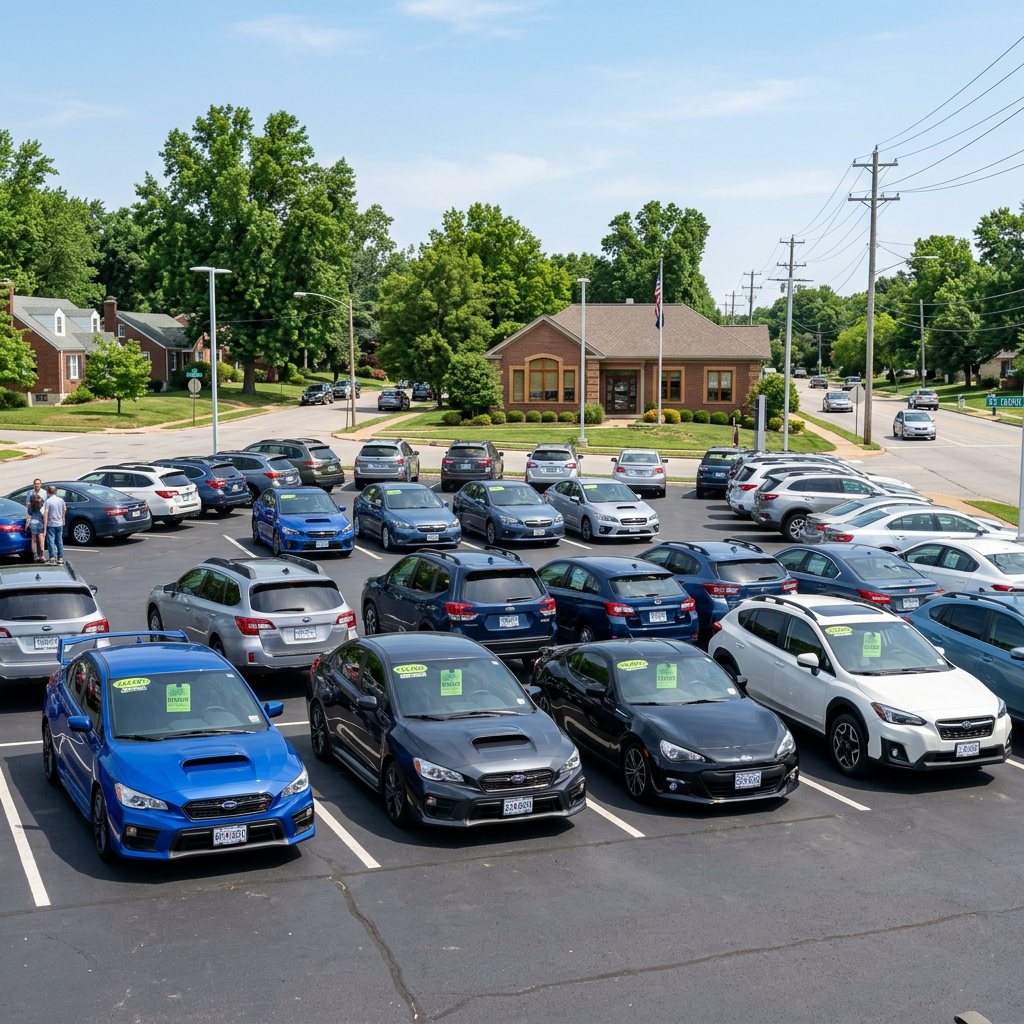
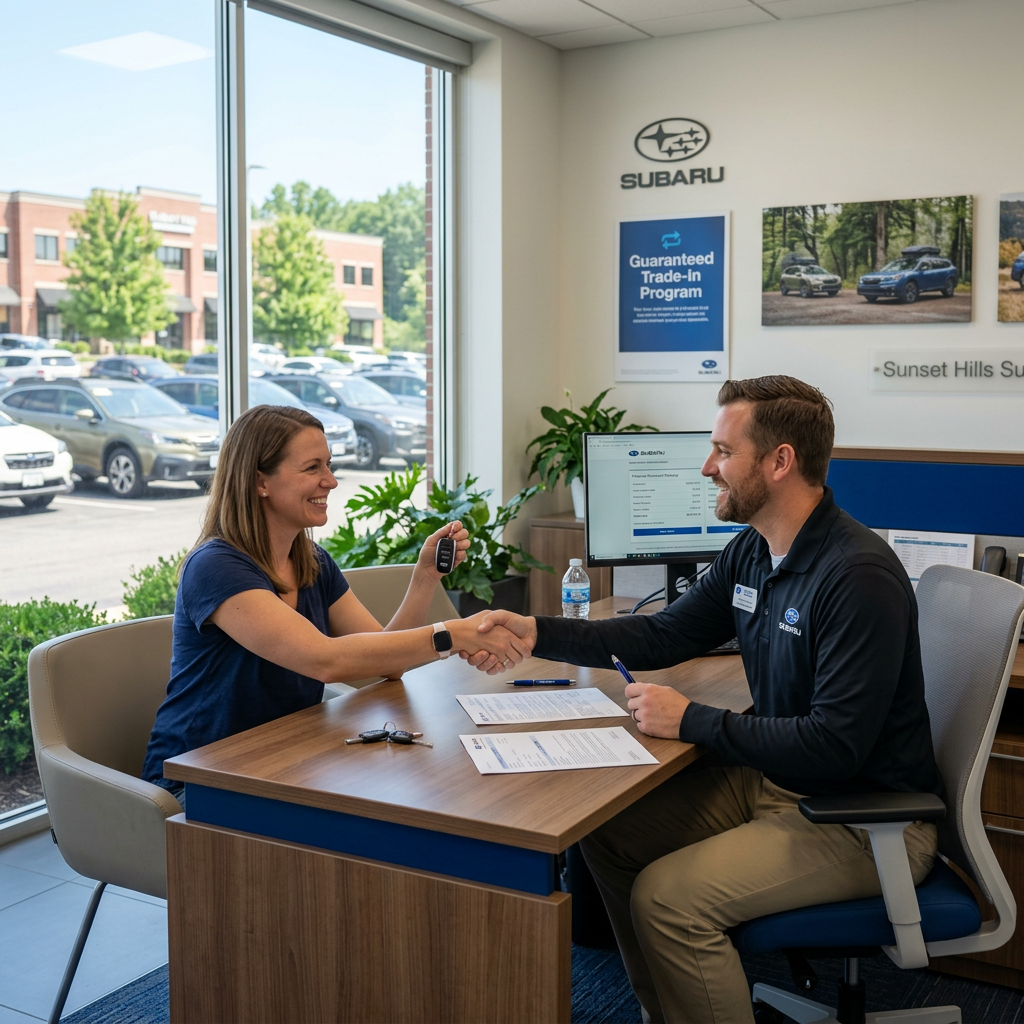
Schedule Your Subaru Service or Parts Appointment with Sunset Hills Subaru Today
Ready to Experience the Future of Subaru? Contact Sunset Hills Subaru Now
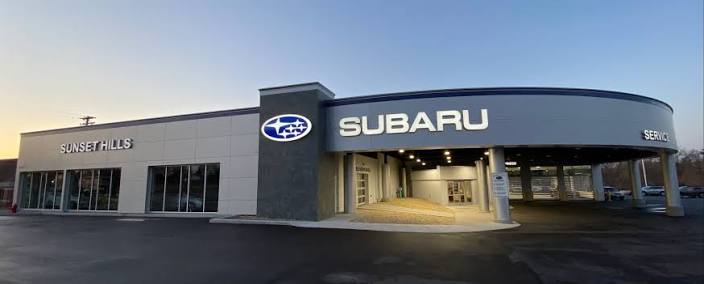
The automotive world is changing rapidly, but the thrill of driving a Subaru remains constant. Whether you want to command the road with a traditional six-speed manual gearbox or experience the smooth, quiet wave of electric power in the Solterra, Sunset Hills Subaru is here to help you navigate the transition. Our friendly, knowledgeable sales staff can guide you through the engineering differences, help you weigh performance versus daily practicality, and get you behind the wheel for an unforgettable test drive.
We invite you to visit our gorgeous showroom at 10100 Watson Rd, Sunset Hills, MO 63127. You can easily Get Directions to Sunset Hills Subaru or Call us at (314) 476-9638 to speak with a dedicated representative. Let us help you find the perfect vehicle that aligns with your passion, lifestyle, and driving dreams.
Connect with us


- July 2026
- June 2026
- May 2026
- April 2026
- March 2026
- February 2026
- January 2026
- December 2025
- November 2025
- October 2025
- September 2025
- August 2025
- July 2025
- June 2025
- May 2025
- April 2025
- March 2025
- February 2025
- January 2025
- December 2024
- November 2024
- October 2024
- September 2024
- August 2024
- July 2024
- June 2024
- May 2024
- April 2024
- March 2024
- February 2024
- January 2024
- December 2023
- November 2023
- October 2023
- September 2023
- July 2023
- June 2023
- May 2023
- April 2023
- March 2023
- February 2023
- January 2023
- December 2022
- November 2022
Archives
- 2024 Outback
- 2025 Forester Hybrid
- 2025 Subaru Crosstrek
- 2025 Subaru Outback
- Auto Financing
- Automotive News
- Automotive Repair Tips
- Automotive Rumors & Insights
- Buying & Trade-In Process Guidance
- Buying Guides
- Charging Solutions & Infrastructure
- Community Engagement
- Dealership Financing
- Fuel Efficiency
- Fun Things to Do Near Sunset Hills MO
- Infotainment
- Leasing guides
- Maintenance & Service
- Model Comparisons
- New Vehicle Reviews
- Outdoor Adventure & Camping
- Ownership Experience
- Performance and Engineering
- Reliability and Quality Insights
- Safety
- Subaru Financing
- Subaru Loyalty Program
- Subaru Motorsports
- Subaru Repair
- Subaru Road Safety
- Subaru Share The Love
- Sunset Hills New Subaru
- Sunset Hills Subaru Dealer
- Sunset Hills Subaru EV Dealership
- Sunset Hills Subaru Loves Pets
- Sunset Hills Subaru Service
- Sunset Hills Used Cars
- Technology & Innovation
- Technology & Innovation
- Things to do in Sunset Hills, MO
- Tire Care & Replacement
- Trade Up Advantage
- Uncategorized
- Vehicle Design & Innovation
Categories