
Feb 19, 2026
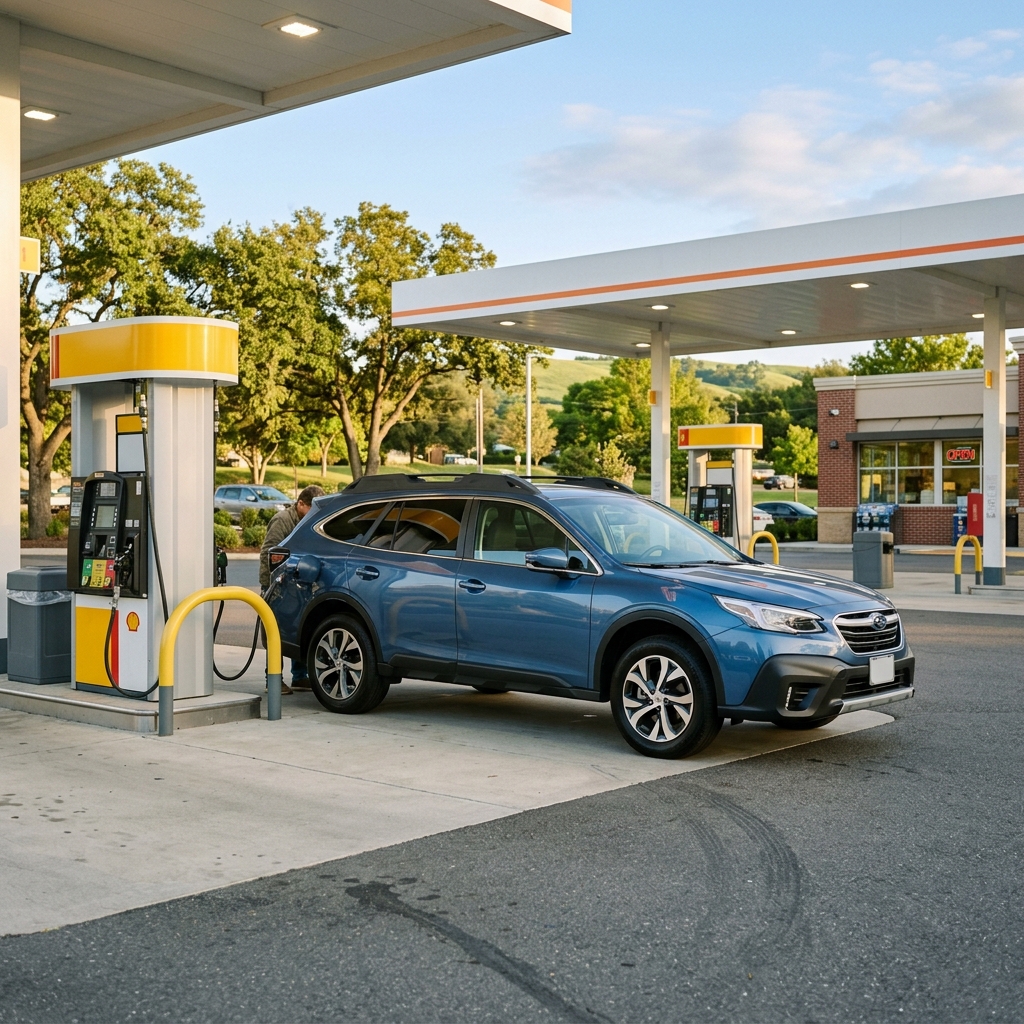
If you are shopping for a new crossover or sedan in the St. Louis metropolitan area, you have likely encountered two persistent automotive urban legends: first, that all Subaru vehicles require expensive premium gasoline, and second, that owning a Subaru comes with prohibitive, luxury-tier maintenance costs. We hear these questions every single day from drivers visiting Sunset Hills Subaru from nearby Ladue, Kirkwood, and Webster Groves. Today, we are setting the record straight with clear data, manufacturer facts, and local ownership realities.
The immediate, direct answer is an emphatic NO. The overwhelming majority of modern Subaru models—including the popular Outback, Forester, Crosstrek, Legacy, and Impreza—are explicitly engineered to run on standard 87-octane regular unleaded fuel. You do not need to spend an extra 50 to 80 cents per gallon on high-octane fuel to keep your daily driver running smoothly and efficiently.
Regarding long-term upkeep, independent repair index data and industry cost-of-ownership analyses prove that routine Subaru maintenance costs are closely inline with mainstream non-luxury Japanese brands like Toyota and Honda. Thanks to standardized service intervals, highly reliable Subaru BOXER® engines, and standard Symmetrical All-Wheel Drive engineering, owning a Subaru is remarkably predictable and budget-friendly. Whether you are browsing our New Subaru Inventory or comparing long-term operating expenses, understanding the true facts about fuel and service will give you total peace of mind.
| Subaru Model | Required Fuel Octane | Recommended Maintenance Interval | 5-Year Cost Tier |
|---|---|---|---|
| Outback (2.5L) | 87 Regular Unleaded | 6,000 Miles / 6 Months | Standard Mainstream |
| Forester (2.5L & Hybrid) | 87 Regular Unleaded | 6,000 Miles / 6 Months | Standard Mainstream |
| Crosstrek (2.0L, 2.5L, Hybrid) | 87 Regular Unleaded | 6,000 Miles / 6 Months | Standard Mainstream |
| Legacy / Impreza | 87 Regular Unleaded | 6,000 Miles / 6 Months | Standard Mainstream |
| WRX & BRZ | 91+ Premium Required/Rec. | 6,000 Miles / 6 Months | Performance Enthusiast |
Fuel Requirements Across the Subaru Lineup: Regular Octane vs. Premium Gas
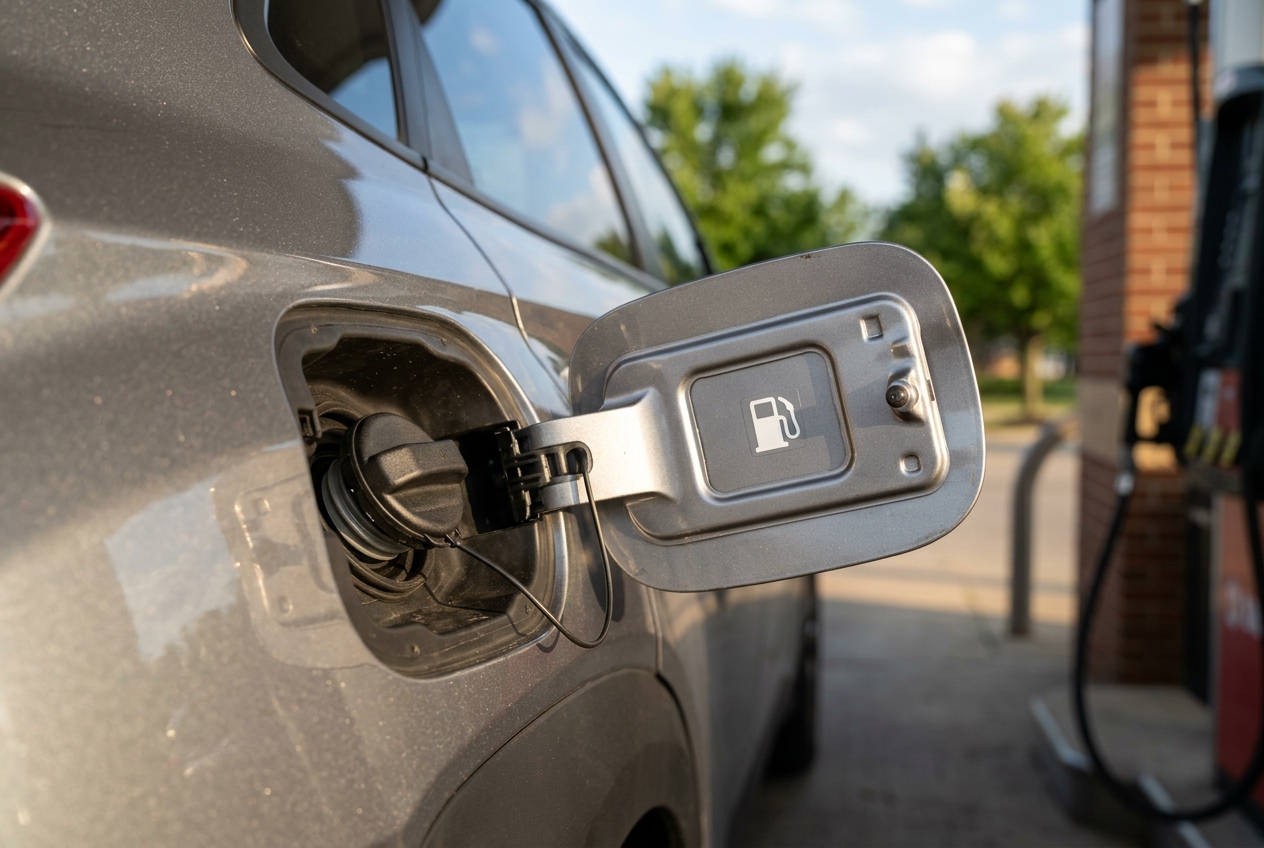
Annual Fuel Costs and Efficiency: How Much Fuel Does a Forester Cost Per Year?
When evaluating total cost of ownership, fuel economy plays a vital role in your annual household budget. St. Louis area drivers navigate a mix of congested highway commutes along I-270 and I-44, suburban stop-and-go along Watson Road, and hilly surface streets through Sunset Hills and Ladue. Calculating how much fuel a Forester or Crosstrek consumes per year highlights the inherent efficiency of Subaru’s Symmetrical All-Wheel Drive engineering.
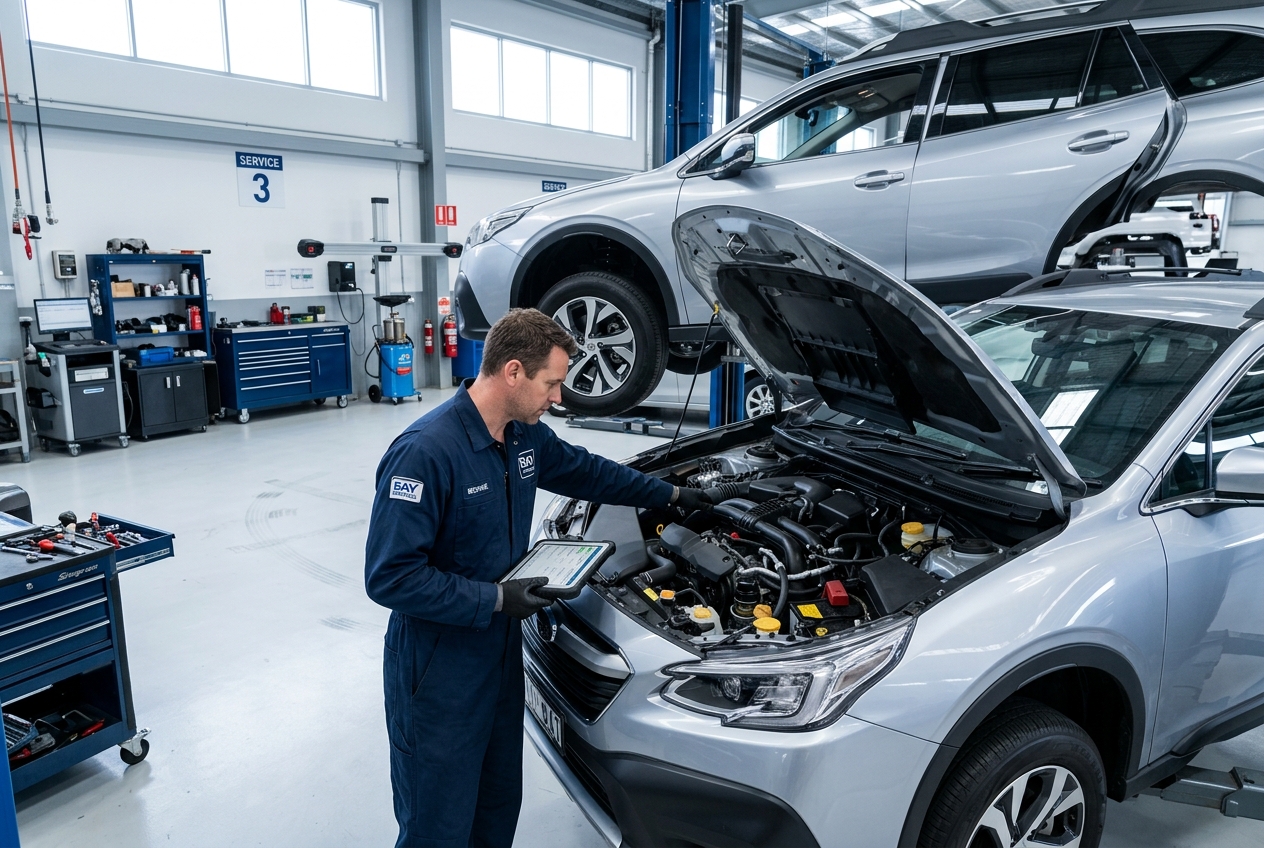
Major Service Milestones: Costs for 30,000-Mile and 60,000-Mile Maintenance
Subaru follows a straightforward, predictable scheduled maintenance blueprint every 6,000 miles or 6 months. While standard visits consist primarily of full synthetic oil changes, engine filter replacements, and tire rotations, key intervals require comprehensive inspections and fluid refreshes to preserve vehicle reliability.
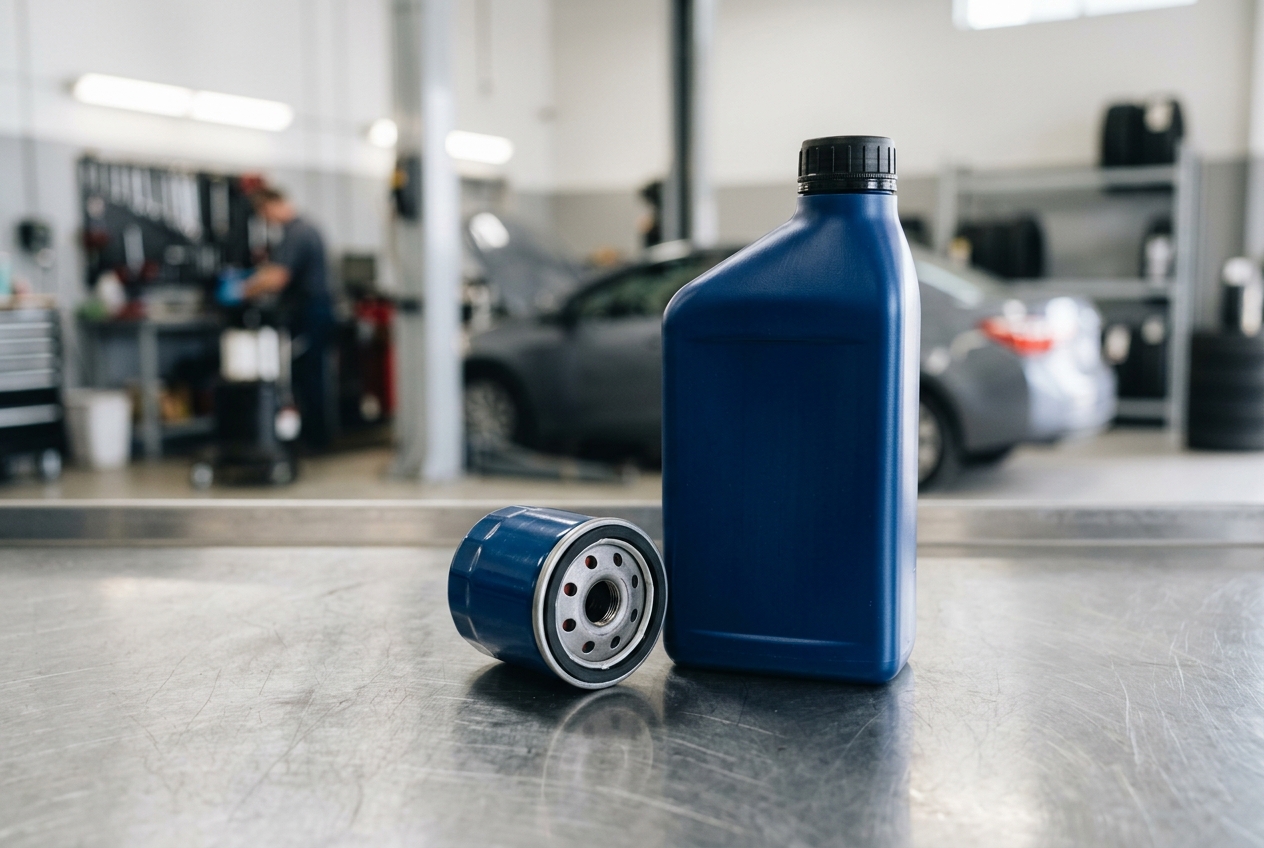
Oil Care and Engine Health: Do Subarus Require Synthetic Oil?
BOXER Engine Longevity: How Long Do Subaru Engines Last?
How long do Subaru engines last? According to industry longevity data and registration figures, over 96% of Subaru vehicles sold in the last 10 years are still on the road today. When properly maintained according to factory schedule guidelines, a modern Subaru BOXER® engine routinely reaches 200,000 to 250,000 miles without requiring major engine overhauls.
Older Subaru models from decades past were occasionally known for head gasket vulnerabilities around 100,000 miles. However, Subaru completely re-engineered its FB-series engine block architectures over a decade ago, introducing multi-layered steel (MLS) head gaskets, timing chains that never require routine replacement (replacing older rubber timing belts), and upgraded cooling jackets. Today’s modern Subaru engines are among the most durable powerplants built.
For suburban commuters driving throughout Sunset Hills, Kirkwood, and Ladue, this horizontal low-center-of-gravity design delivers exceptional road stability, lower engine vibration, and long-term durability. Exploring our high-quality Used Vehicle Inventory is a great way to see how well these vehicles hold their resale value over time.
Factory Warranty Coverage: Is the Subaru Added Security Maintenance Plan Worth It?

2026 Subaru Forester Hybrid: Range, Fuel Efficiency, and Cargo Space Specs
The introduction of the 2026 Subaru Forester Hybrid represents a landmark milestone for eco-friendly crossover enthusiasts. Combining legendary Symmetrical All-Wheel Drive capability with an advanced hybrid electric setup, the Forester Hybrid eliminates compromises between fuel economy, interior utility, and all-weather confidence.
Explore our full lineup of crossover models in our New Subaru Forester Inventory or check out our spacious 3-row New Subaru Ascent Inventory for larger families.
2026 Subaru Crosstrek Hybrid Specs and Total Driving Range Explained
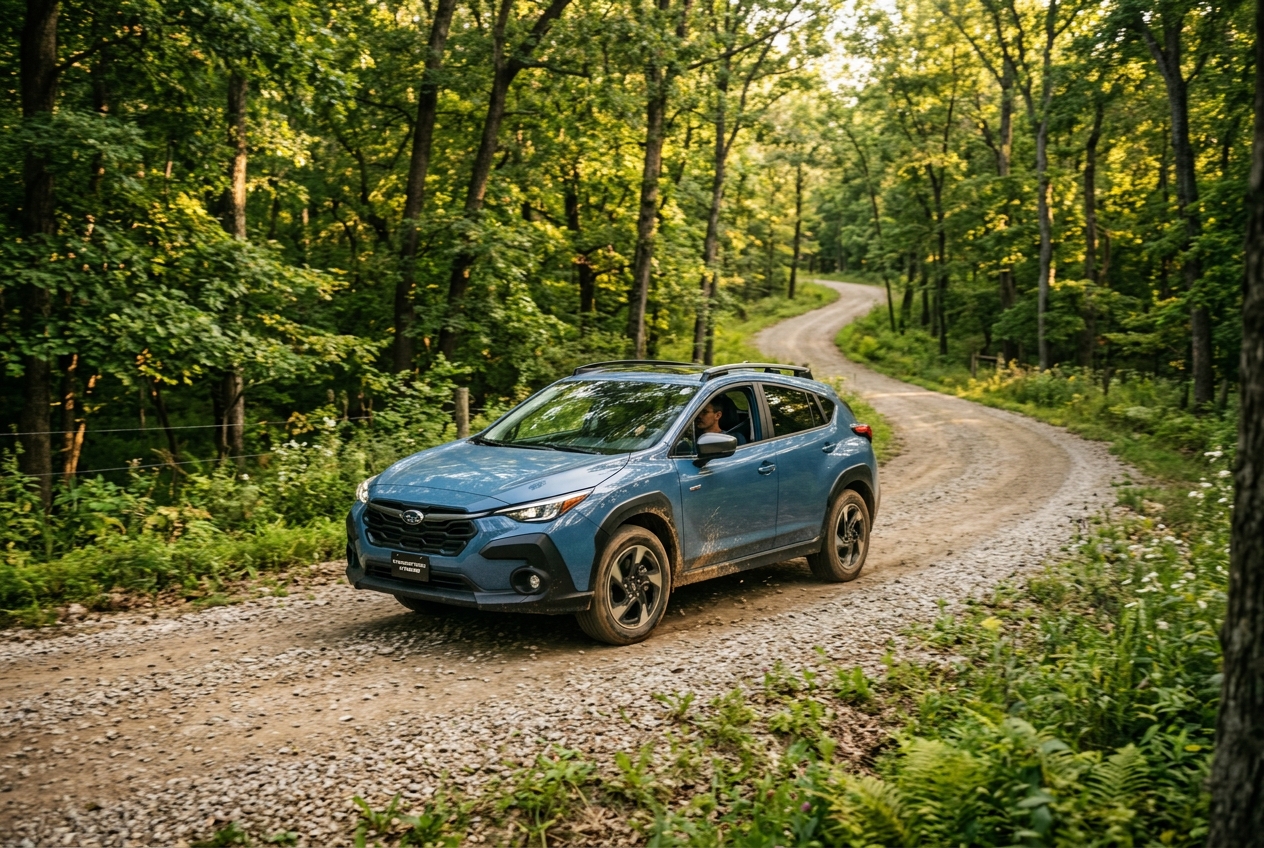
Subaru Ownership in Ladue and Sunset Hills: Climate and Commute Considerations
Living in St. Louis County means experiencing all four seasons in full force—from scorching summer humidity to freezing winter ice storms and heavy snowfall. Subaru’s Symmetrical All-Wheel Drive system is built specifically for these varied conditions, continuously distributing power to all four wheels for instant traction on slick roads.
For residents commuting daily between Sunset Hills, Ladue, Webster Groves, and downtown St. Louis, local roads present potholed asphalt, rapid weather shifts, and heavy traffic stops. Following factory maintenance schedules locally ensures your vehicle’s braking system, battery, and fluid levels remain optimized for winter conditions. Conveniently located on Watson Road, Sunset Hills Subaru serves as your dedicated local partner for all sales, parts, and maintenance needs.
Get Directions to Sunset Hills Subaru or Call us at (314) 476-9638 to speak directly with our friendly service advisors.
Schedule Service or Explore New Subaru Inventory at Sunset Hills Subaru
Now that you know the truth—that standard Subaru models run on affordable 87-octane regular gas and feature mainstream maintenance costs—you can shop and drive with complete confidence. Whether you are ready to test drive the all-new Forester, compare sedan specs, or bring your current Subaru in for certified factory service, Sunset Hills Subaru is here to serve you.
Visit our modern showroom at 10100 Watson Rd, Sunset Hills, MO 63127 or browse our online tools to get started today!
Connect with us


- August 2026
- July 2026
- June 2026
- May 2026
- April 2026
- March 2026
- February 2026
- January 2026
- December 2025
- November 2025
- October 2025
- September 2025
- August 2025
- July 2025
- June 2025
- May 2025
- April 2025
- March 2025
- February 2025
- January 2025
- December 2024
- November 2024
- October 2024
- September 2024
- August 2024
- July 2024
- June 2024
- May 2024
- April 2024
- March 2024
- February 2024
- January 2024
- December 2023
- November 2023
- October 2023
- September 2023
- July 2023
- June 2023
- May 2023
- April 2023
- March 2023
- February 2023
- January 2023
- December 2022
- November 2022
Archives
- 2024 Outback
- 2025 Forester Hybrid
- 2025 Subaru Crosstrek
- 2025 Subaru Outback
- Auto Financing
- Automotive News
- Automotive Repair Tips
- Automotive Rumors & Insights
- Buying & Trade-In Process Guidance
- Buying Guides
- Charging Solutions & Infrastructure
- Community Engagement
- Dealership Financing
- Fuel Efficiency
- Fun Things to Do Near Sunset Hills MO
- Infotainment
- Leasing guides
- Maintenance & Service
- Model Comparisons
- New Vehicle Reviews
- Outdoor Adventure & Camping
- Ownership Experience
- Performance and Engineering
- Reliability and Quality Insights
- Safety
- Subaru Financing
- Subaru Loyalty Program
- Subaru Motorsports
- Subaru Repair
- Subaru Road Safety
- Subaru Share The Love
- Sunset Hills New Subaru
- Sunset Hills Subaru Dealer
- Sunset Hills Subaru EV Dealership
- Sunset Hills Subaru Loves Pets
- Sunset Hills Subaru Service
- Sunset Hills Used Cars
- Technology & Innovation
- Technology & Innovation
- Things to do in Sunset Hills, MO
- Tire Care & Replacement
- Trade Up Advantage
- Uncategorized
- Vehicle Design & Innovation
Categories