
Understanding Subaru’s Fuel Requirements: Premium or Regular Gas?
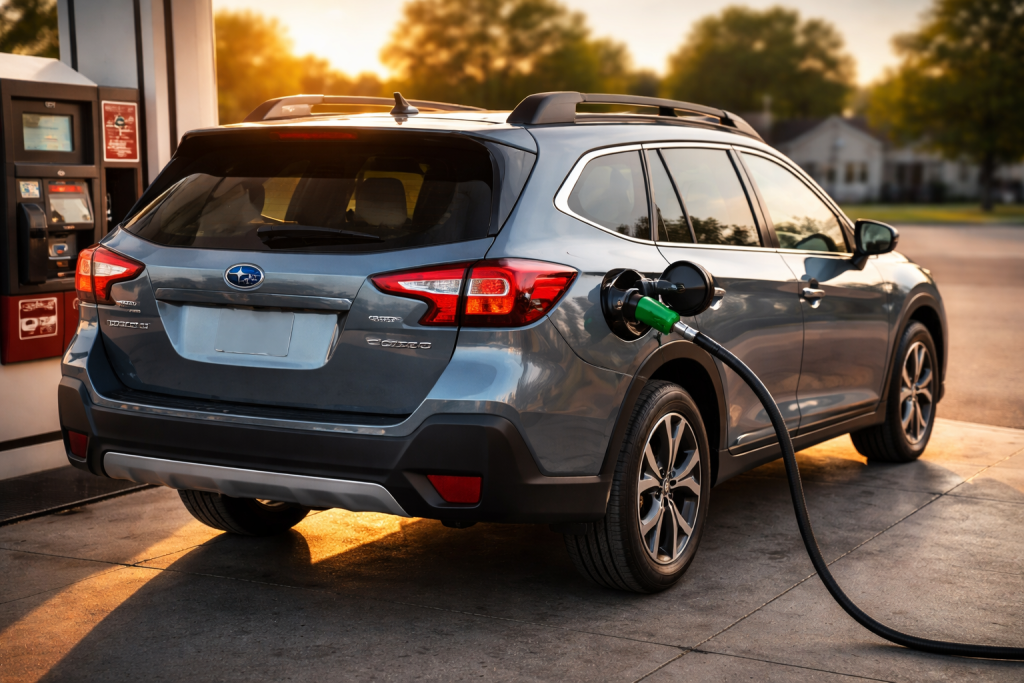
When considering a Subaru for your daily drives around Sunset Hills and nearby communities like Maplewood or Chesterfield, one common question is whether these vehicles require premium gasoline or if regular unleaded fuel suffices. Understanding Subaru’s fuel requirements is vital not only for optimizing your vehicle’s performance but also for managing long-term ownership costs effectively. This topic is especially relevant for families and professionals who rely on their Subaru for everything from school runs to weekend outdoor adventures across Missouri’s varying terrain.
Subaru vehicles are engineered with a focus on efficiency, durability, and practical performance, which extends to their fuel needs. Most Subaru models, including popular ones like the Forester, Outback, and Crosstrek, are designed to run on regular unleaded gasoline with an octane rating of 87. This means drivers in suburban areas such as Glendale or St. Charles can confidently use standard fuel without compromising engine health or voiding warranties. Opting for premium fuel in these models typically offers no tangible benefit and can lead to unnecessary expenses over time.
However, there are exceptions to this general rule. Subaru’s turbocharged models, such as the WRX and the turbocharged variants of the Outback or Forester, are calibrated to require premium gasoline with an octane rating of 91 or higher. This higher-octane fuel helps prevent engine knocking—a condition where fuel combusts prematurely in the engine, which can reduce performance and cause damage over time. For those living in areas like Ladue or Webster Groves where performance driving or towing might be more common, using premium fuel in turbocharged Subarus ensures the engine runs smoothly and delivers optimal power.
It’s important to note that Subaru’s advanced engineering, including their renowned Boxer engine and EyeSight® driver assist technology, complements their thoughtful fuel requirements. These technologies promote efficient combustion and engine longevity, enabling most Subaru owners to stick with regular fuel and still enjoy reliable, responsive driving. For families in Chesterfield balancing budget and vehicle care, this approach keeps fuel costs manageable without sacrificing safety or performance.
To maintain peak efficiency and protect your investment, always consult your owner’s manual for the specific fuel recommendation for your Subaru model. Using the recommended octane level not only preserves engine health but also aligns with Subaru’s commitment to practical, dependable vehicles crafted for Missouri’s diverse driving conditions.
Table of Contents
- Annual Maintenance Costs for Subaru Vehicles Compared to Competitors
- Subaru’s Reliability and What It Means for Missouri Drivers
- Fuel Efficiency and Performance of the 2026 Subaru Outback
- Turbocharged Subaru Models and Their Fuel Needs
Annual Maintenance Costs for Subaru Vehicles Compared to Competitors
When evaluating the overall ownership experience of a Subaru, understanding annual maintenance expenses is crucial for families and commuters in communities like Maplewood and Chesterfield, MO. Subaru vehicles generally offer a balance of quality and cost-efficiency that aligns well with the practical needs of local drivers. On average, Subaru’s yearly maintenance costs tend to be competitive with other mainstream brands, including Toyota and Honda, known for their reliability and affordability.
Subaru models benefit from engineering focused on durability and ease of servicing, which helps keep maintenance costs reasonable. Routine services such as oil changes, brake inspections, and tire rotations typically align with industry standards, partly due to Subaru’s widespread dealership network, including the expert technicians at our service center in 10100 Watson Rd, Sunset Hills, MO 63127. This local accessibility ensures timely, transparent care tailored to Subaru’s specifications, which can reduce unexpected repairs and keep costs manageable.
Compared to Toyota, Subaru’s maintenance expenses are often similar, but differences emerge with specific model features like all-wheel drive (AWD), which Subaru includes standard across most vehicles. While AWD can add slightly to maintenance complexity, Subaru’s design minimizes this impact, offering a reliable system that performs well year-round in Missouri’s diverse weather conditions. In contrast, some competitors may charge extra for AWD or have less robust systems, potentially increasing long-term expenses.
For families and daily drivers, Subaru’s maintenance costs offer excellent value, especially when combined with routine service plans and genuine parts readily available through our dealership’s Find Subaru Parts and service departments.
Subaru’s Reliability and What It Means for Missouri Drivers
Subaru has earned a solid reputation for producing vehicles that combine durability, safety, and consistent performance—qualities that matter deeply to drivers in Missouri’s diverse driving environments. Whether navigating the wet, winding roads near Chesterfield or the suburban streets of Glendale, Subaru owners benefit from a brand known for dependable engineering and thoughtful design.
A key factor in Subaru’s reliability is its use of robust boxer engines and standard all-wheel drive (AWD) across most models. This combination delivers balanced handling and traction, especially valuable during Missouri’s rainy springs and icy winters. Drivers around Maplewood and Sunset Hills can trust their Subaru to maintain control and stability in challenging conditions, reducing the risk of accidents and costly repairs.
Additionally, Subaru’s commitment to advanced safety technologies, including EyeSight driver assist, reinforces confidence behind the wheel. These systems actively help prevent collisions and minimize damage, making Subarus especially appealing to family-oriented buyers prioritizing protection in the St. Louis metro area.
For Missouri drivers, this dependable performance translates into lower unexpected repair expenses and a longer vehicle lifespan compared to many competitors. With routine maintenance performed at trusted service centers like Sunset Hills Subaru, owners can enjoy peace of mind knowing their vehicle will remain reliable mile after mile. This reliability supports an active lifestyle, whether commuting, running errands, or exploring Missouri’s scenic trails.
Fuel Efficiency and Performance of the 2026 Subaru Outback
The 2026 Subaru Outback strikes a balanced blend of fuel efficiency and dependable performance, making it a practical choice for drivers in suburban areas like Chesterfield, MO, and nearby communities. With its standard 2.5-liter four-cylinder engine, the Outback achieves an EPA-estimated fuel economy of approximately 26 miles per gallon in the city and 33 mpg on the highway. This efficiency supports everyday commutes and longer trips without frequent stops at the pump, which is especially beneficial for families managing busy schedules.
For those seeking enhanced power without sacrificing much fuel economy, the available turbocharged 2.4-liter engine delivers a robust 260 horsepower while maintaining respectable mileage figures near 23 mpg city and 30 mpg highway. This combination offers confident acceleration for highway merging or navigating hilly terrain around Webster Groves, MO, without demanding premium fuel in most trims.
Additionally, the Outback’s standard Symmetrical All-Wheel Drive system ensures stable traction through Missouri’s variable seasons—from rainy days in Glendale to winter conditions in St. Louis. This drivetrain, combined with a continuously variable transmission (CVT), optimizes engine output for smooth, efficient performance.
Overall, the 2026 Subaru Outback provides reliable fuel economy and versatile power that suits a wide range of lifestyles, whether it’s school runs in Chesterfield or weekend adventures outside Sunset Hills. Its thoughtful engineering supports both environmental responsibility and an active lifestyle.
Turbocharged Subaru Models and Their Fuel Needs
Subaru’s turbocharged models, such as the WRX and certain trims of the Outback and Forester, are designed to deliver enhanced performance while maintaining Subaru’s signature balance of efficiency and reliability. These turbocharged engines often benefit from the use of higher-octane fuel, which can optimize combustion and protect engine components under increased pressure and heat conditions.
For many turbocharged Subaru vehicles, premium gasoline is recommended but not always required. For example, the Subaru WRX, a performance-focused model popular among drivers around St. Charles, is engineered to run best on premium fuel with an octane rating of 91 or higher. Using premium gas in this model helps achieve peak horsepower and torque, while also ensuring smoother engine operation and potentially extending engine life. However, Subaru’s engineering allows some turbocharged engines to operate safely on regular gasoline if premium is unavailable, though with a slight reduction in performance and fuel economy.
In contrast, turbocharged versions of the Outback and Forester generally recommend premium fuel to maximize efficiency and responsiveness but are more forgiving if regular fuel is used occasionally. This flexibility benefits drivers in areas like Chesterfield and Glendale, where access to premium fuel may vary.
Choosing the correct fuel for your turbocharged Subaru not only supports engine health but also aligns with Subaru’s commitment to reliability and driver confidence. For owners in Missouri’s diverse driving conditions, following the manufacturer’s fuel recommendations ensures your vehicle performs safely and efficiently throughout every journey.
Connect with us


- July 2026
- June 2026
- May 2026
- April 2026
- March 2026
- February 2026
- January 2026
- December 2025
- November 2025
- October 2025
- September 2025
- August 2025
- July 2025
- June 2025
- May 2025
- April 2025
- March 2025
- February 2025
- January 2025
- December 2024
- November 2024
- October 2024
- September 2024
- August 2024
- July 2024
- June 2024
- May 2024
- April 2024
- March 2024
- February 2024
- January 2024
- December 2023
- November 2023
- October 2023
- September 2023
- July 2023
- June 2023
- May 2023
- April 2023
- March 2023
- February 2023
- January 2023
- December 2022
- November 2022
Archives
- 2024 Outback
- 2025 Forester Hybrid
- 2025 Subaru Crosstrek
- 2025 Subaru Outback
- Auto Financing
- Automotive News
- Automotive Repair Tips
- Automotive Rumors & Insights
- Buying & Trade-In Process Guidance
- Buying Guides
- Charging Solutions & Infrastructure
- Community Engagement
- Dealership Financing
- Fuel Efficiency
- Fun Things to Do Near Sunset Hills MO
- Infotainment
- Leasing guides
- Maintenance & Service
- Model Comparisons
- New Vehicle Reviews
- Outdoor Adventure & Camping
- Ownership Experience
- Performance and Engineering
- Reliability and Quality Insights
- Safety
- Subaru Financing
- Subaru Loyalty Program
- Subaru Motorsports
- Subaru Repair
- Subaru Road Safety
- Subaru Share The Love
- Sunset Hills New Subaru
- Sunset Hills Subaru Dealer
- Sunset Hills Subaru EV Dealership
- Sunset Hills Subaru Loves Pets
- Sunset Hills Subaru Service
- Sunset Hills Used Cars
- Technology & Innovation
- Technology & Innovation
- Things to do in Sunset Hills, MO
- Tire Care & Replacement
- Trade Up Advantage
- Uncategorized
- Vehicle Design & Innovation
Categories