Blog / Safety

What Makes Subaru Cars Unique? A Deep Dive into Subaru’s Distinctive Abilities and Features

What Makes Subaru Cars Unique? A Deep Dive into Subaru’s Distinctive Abilities and Features

When it comes to choosing a vehicle that delivers exceptional safety, reliability, and performance, Subaru stands apart in the automotive landscape. At Sunset Hills Subaru, located at 10100 Watson Rd, Sunset Hills, MO 63127, we often hear from drivers across St Louis, Chesterfield, and Maplewood, MO about what makes Subaru so special. Whether you’re navigating city streets or venturing off the beaten path, Subaru’s innovative engineering and commitment to safety give drivers unmatched confidence.

If you’re curious about Subaru’s unique abilities and why so many in Richmond Heights, Webster Groves, and Fenton, MO trust this brand, this comprehensive guide covers everything you need to know. For service needs or to explore new Subaru models, call us at (314) 476-9638 or browse our extensive inventories.

Table of Contents


Subaru’s Unique All-Wheel Drive System: Symmetrical AWD Explained

One of the most distinctive features that sets Subaru apart from other automakers is its Symmetrical All-Wheel Drive (AWD) system. Unlike many AWD systems that engage power to the wheels only when slippage is detected, Subaru’s Symmetrical AWD continuously delivers balanced power to all four wheels. This design ensures consistent traction, stability, and control, whether you’re driving through the rainy streets of Glendale, MO, snowy inclines near Twin Oaks, MO, or uneven terrain in Valley Park, MO.

The system’s “symmetry” refers to the alignment of engine and drivetrain components. Subaru’s horizontally opposed boxer engine sits low and flat, allowing power to travel in a straight, balanced line through the transmission to the drive axles. This creates near-perfect weight distribution and minimizes drivetrain losses, translating to smoother handling and better fuel efficiency compared to many rivals. This is particularly beneficial for drivers facing unpredictable Midwest weather, enhancing safety without compromising driving enjoyment.

Subaru’s AWD technology is continuously refined with advanced control systems that respond to wheel slip and road conditions in milliseconds. The result is exceptional cornering stability and improved braking performance, which have earned Subaru vehicles numerous safety accolades, including several IIHS Top Safety Pick+ awards. If you’re interested in experiencing this balance firsthand, visit our New Subaru Inventory to find models equipped with this remarkable drivetrain.


The SUBARU BOXER® Engine: Engineering Excellence Under the Hood

The heart of every Subaru is its trademark SUBARU BOXER® engine, a horizontally opposed engine layout that is unlike the inline or V-type engines common in other vehicles. This flat engine design, where pistons move in opposition on a horizontal plane, offers several mechanical and driving advantages.

Firstly, the boxer engine’s low profile significantly lowers the vehicle’s center of gravity. This enhanced stability benefits drivers in Chesterfield, MO, and Richmond Heights, MO, who navigate both highway speeds and winding backroads. The engine’s balanced nature also reduces vibration and engine noise, contributing to a smoother, quieter ride—a feature highly appreciated by families and commuters alike.

Compared to traditional engines, the boxer engine’s symmetrical design complements Subaru’s AWD system perfectly, enabling efficient power transfer and improved handling. Its compactness allows engineers to optimize engine bay space, which contributes to better crash safety and vehicle design flexibility.

In terms of performance, Subaru offers various boxer engine options, from naturally aspirated 2.5-liter engines known for reliability to turbocharged versions in performance models like the WRX and Outback XT. The collaboration with Toyota also introduced the FA engine series powering the sporty Subaru BRZ, combining boxer engine advantages with modern efficiency and power.

If you want to explore vehicles featuring these engines, check out our New Subaru WRX Inventory or the New Subaru BRZ Inventory.


Subaru’s All-Around Safety Philosophy: A Four-Pronged Approach

Safety is at the core of Subaru’s design ethos, embodied in its All-Around Safety philosophy which covers four comprehensive layers:

  • Primary Safety: Design elements that prevent accidents, such as excellent visibility through large windows and ergonomic controls that reduce driver fatigue. For example, Subaru vehicles have large windshield areas and strategically placed mirrors, ideal for busy urban areas like Ladue, MO or Concord, MO.


  • Driving Safety: Features that enhance driver control during evasive maneuvers, including responsive steering and suspension tuned for stability.


  • Preventive Safety: Proactive systems like the Subaru EyeSight Driver Assist Technology, which uses stereo cameras to detect obstacles, pedestrians, and other vehicles. EyeSight includes adaptive cruise control, pre-collision braking, and lane keep assist—crucial for protecting families in communities such as Sappington, MO and Webster Groves, MO.


  • Passive Safety: Structural features that protect occupants if a collision occurs, such as Subaru’s high-strength steel cage and energy-absorbing crumple zones.


Together, these layers have helped Subaru achieve high safety ratings from organizations like the IIHS and Euro NCAP, making Subaru vehicles a top choice for safety-conscious drivers throughout the St Louis metro area.

Learn more about Subaru’s safety features when you browse our New Subaru Legacy Inventory or New Subaru Outback Inventory.


Addressing Common Challenges: What Are Subaru’s Known Issues?

While Subaru cars are celebrated for their engineering and reliability, certain models, especially older ones, have experienced specific issues. Understanding these concerns helps owners and potential buyers make informed decisions.

  • Continuously Variable Transmission (CVT): Some Subaru models equipped with CVTs have reported issues such as hesitation or shuddering during acceleration. These symptoms often relate to transmission fluid quality or software updates.


  • Head Gasket Problems: Older Subaru engines, particularly the EJ series, have been known to develop head gasket leaks which can cause coolant loss and overheating if not addressed timely.


  • Timing Belt Maintenance: Failure to replace timing belts at recommended intervals may result in catastrophic engine damage. Subaru recommends strict adherence to maintenance schedules to avoid this risk.


  • Rodent Damage to Wiring: Subaru’s soy-based wire coatings have occasionally attracted rodents, leading to damaged electrical wiring—something to watch for in garages near wooded or suburban areas like Crestwood, MO.


For expert repairs and genuine parts, visit our Find Subaru Parts page and to keep your vehicle in top shape, don’t hesitate to Schedule Service and Diagnostics at our Sunset Hills location.

If you’re considering an upgrade, find out how much your current Subaru is worth with our Get your value trade tool.


Why Subaru Drivers Are So Loyal: Reliability, Performance, and Community

Subaru’s customer loyalty is legendary, especially throughout Missouri’s diverse communities—from St Charles to Fenton, MO. This loyalty stems from a combination of factors:

  • Long-Lasting Reliability: Subaru engines and drivetrains often exceed 200,000 miles with proper maintenance, earning the trust of drivers who depend on their vehicles for daily life and adventure.


  • Consistent Safety Leadership: Subaru’s commitment to active and passive safety systems gives owners peace of mind.


  • Versatile Performance: Whether it’s the rugged capability of the Outback and Forester or the sporty excitement of the WRX and BRZ, Subaru offers something for every driver style.


  • Community Engagement: Programs like Subaru’s Love Promise demonstrate a genuine commitment to social causes and community support, strengthening customer bonds.


If you want to join the Subaru family or upgrade your ride, explore our Used Vehicle Inventory or start fresh with our Current New Car Specials.


Explore Subaru Models at Sunset Hills Subaru

Subaru’s diverse lineup offers vehicles tailored to every lifestyle. Whether you’re seeking family-friendly SUVs or sporty coupes, we have you covered:

  • Subaru Outback and Forester: Ideal for outdoor adventures and family travel, with spacious interiors and advanced AWD.


  • Subaru Crosstrek and Ascent: Perfect for those needing versatility and comfort for city and trail driving.


  • Subaru WRX and BRZ: Performance-oriented models delivering sporty handling and thrilling acceleration.


  • Subaru Solterra: Subaru’s first all-electric SUV, marrying sustainability with capability.


Visit our dedicated model pages to explore:

Our team at Sunset Hills Subaru is ready to help you find the model that fits your needs perfectly.


Keeping Your Subaru in Peak Condition: Service and Parts at Sunset Hills Subaru

Maintaining your Subaru with expert care is crucial for longevity and performance. At Sunset Hills Subaru, we provide comprehensive service options including oil changes, brake inspections, and major repairs performed by certified technicians who understand Subaru’s unique engineering.

We offer:

For all your maintenance needs, schedule your next appointment easily with our Schedule Service and Diagnostics service page.


Subaru’s blend of innovative engineering, unwavering safety focus, and community-centered values make it a standout choice for drivers in Sunset Hills, MO, and beyond. Whether you’re navigating urban streets or exploring Missouri’s scenic landscapes, Subaru provides a driving experience that’s uniquely balanced, reliable, and safe.

Explore our extensive New Subaru Inventory and Used Vehicle Inventory to find your perfect Subaru today. For personalized assistance, visit us at 10100 Watson Rd, Sunset Hills, MO 63127 or call (314) 476-9638.

© 2025 Sunset Hills Subaru
Posted in:

Related Posts

Eyesight calibration

Are Subaru Safety Sensors and EyeSight Cameras Reliable as Cars Age?

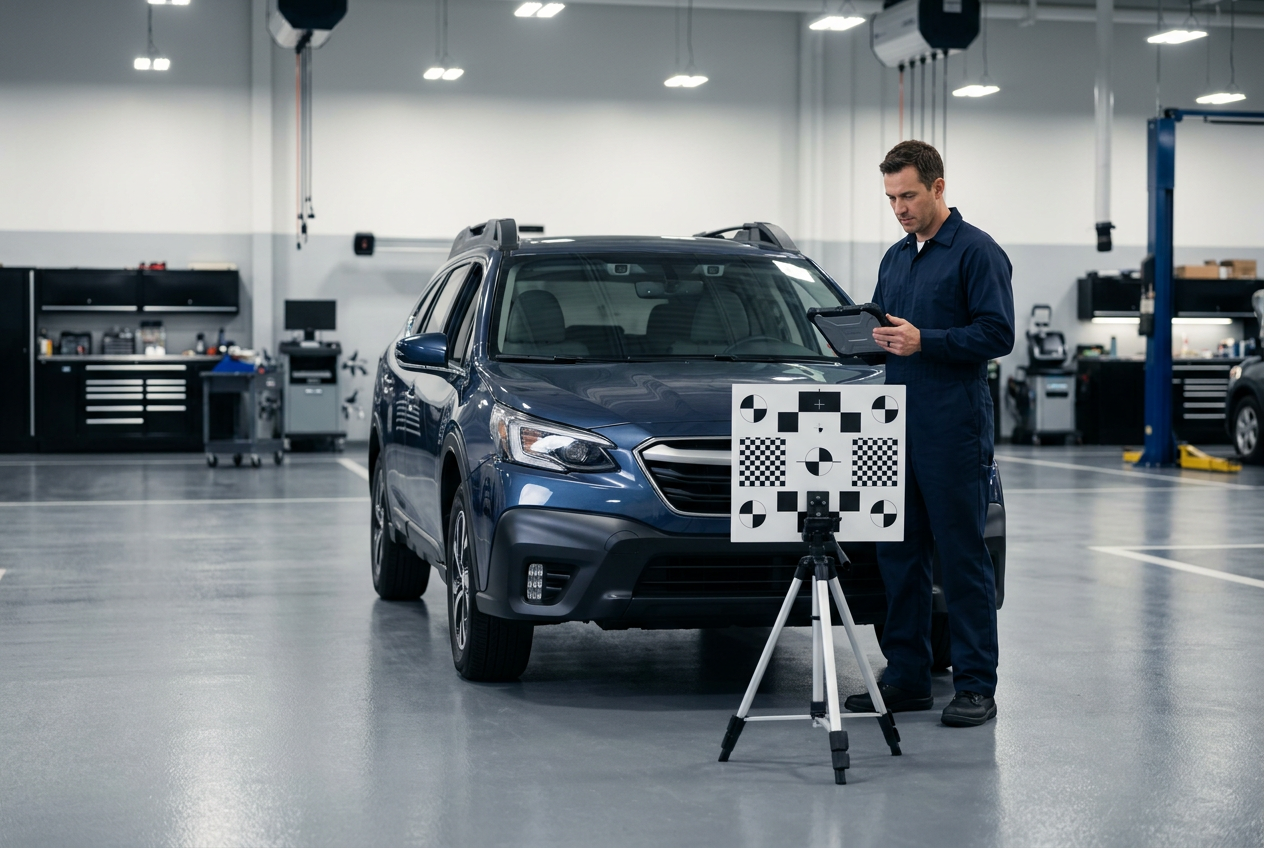
The direct answer is yes. Subaru EyeSight stereo cameras and rear radar modules are solid-state electronic systems engineered to endure well beyond 10 to 15 years and over 200,000 miles without fundamental mechanical degradation. Unlike moving mechanical parts subject to physical friction, solid-state sensors do not simply wear out from accumulated mileage. Drivers across Greater St. Louis routinely pilot decade-old Foresters and Outbacks with fully functioning driver-assist systems intact. However, long-term reliability is not entirely maintenance-free. While the optical processing units and internal microchips remain durable, the system relies on external variables: optical clarity through the windshield, precise physical calibration, electrical voltage stability, and vulnerability to severe weather. As your vehicle passes the 100,000-mile mark, issues rarely stem from internal electronics; instead, they result from road debris pitting the glass, uncalibrated windshield replacements, or failing 12-volt battery power. When maintained properly, Subaru EyeSight remains one of the most durable and cost-effective advanced driver-assistance systems (ADAS) in the automotive industry. How Subaru EyeSight Hardware Operates Over 100,000 Miles and Beyond Unlike the majority of automotive manufacturers who place radar modules and ultrasonic sensors exposed inside front grilles or lower bumpers, Subaru engineered EyeSight around high-mounted stereo optical cameras. Positioned safely inside the vehicle's upper windshield frame, these dual lenses mimic human binocular vision to calculate distance, relative velocity, and object shapes. This deliberate placement delivers a major long-term reliability benefit: the primary electronic hardware remains shielded inside a climate-controlled passenger cabin. It avoids gravel strikes, road salt, corrosive brine, minor parking lot collisions, and moisture intrusion that routinely ruin bumper-mounted radar arrays on competing crossovers. Because optical glass and camera sensors experience zero mechanical movement, system fidelity remains sharp well past six-digit odometer readings as long as the windshield glass remains clean and chip-free. Why Older Subaru EyeSight Cameras Temporarily Disable When an EyeSight warning indicator illuminates alongside an amber dashboard prompt, many owners assume the hardware has permanently failed. In reality, Subaru utilizes a fail-safe operating design: rather than making inaccurate calculations under compromised visual conditions, the system safely disables itself until sightlines return to baseline. Atmospheric Moisture & Frost During humid Missouri autumn mornings and freezing winter conditions, condensation, frost, or interior windshield fog directly over the stereo lenses blocks visibility. Running the front windshield defroster cleared the line of sight within minutes, restoring full functionality. Direct Solar Glare Driving directly into dawn or dusk sun angles can temporarily blind optical lenses much like human eyes. Once the road changes heading or the sun passes overhead, the cameras recalibrate their exposure levels and re-engage automatic cruise and pre-collision systems. Interior Glass Haze Over years of ownership, dashboard plastic outgassing and cabin dust create an invisible oily sheen across the interior glass. Routine gentle cleaning of the windshield glass around the camera aperture ensures pristine optical clarity for reliable processing. Windshield Replacements and Sensor Recalibration: Critical Care for Aging Subarus The most frequent trigger for safety sensor trouble on older Subarus is improper windshield replacement. Genuine Subaru OEM glass is engineered with specific optical distortion tolerances, acoustic sound dampening, and heated camera defrosting grids built directly into the upper viewing aperture. When third-party glass shops install non-OEM windshields with minor microscopic ripples, stereo cameras experience refraction errors, causing adaptive cruise dropouts or false lane-departure warnings. Furthermore, every windshield replacement demands professional dynamic and static recalibration. Using factory diagnostic targets, technicians align camera focal points precisely to the chassis ride height. Skipping this step risks compromised emergency braking performance. Schedule Service and Diagnostics Warning Signs of Aging EyeSight and Blind-Spot Sensor Malfunctions Understanding the difference between normal visual cutouts and genuine electronic faults keeps your vehicle operating safely without unnecessary repair expenditures. Persistent Amber Warnings If the EyeSight OFF amber warning remains lit on clear days during normal driving, the electronic control module has registered an active Diagnostic Trouble Code (DTC). This indicates an electrical fault, connection loss, or camera hardware problem rather than environmental blindness. Rear Radar BSD/RCTA Alerts Blind Spot Detection (BSD) and Rear Cross-Traffic Alert (RCTA) use radar modules tucked behind the rear bumper cover. On higher-mileage vehicles, road salt accumulation or minor bumper impacts can bend the mounting brackets, causing false alerts or system shutdown. Adaptive Cruise Dropouts Sudden disengagement of adaptive cruise control on smooth highway stretches without adverse weather points toward subtle camera angle drift or an aging 12-volt battery unable to maintain stable reference voltage under electrical accessory load. EyeSight Durability vs. Boxer Engine and Symmetrical AWD Longevity When assessing whether Subaru safety sensors hold up over time, comparing electronic longevity to the mechanical powertrain provides valuable perspective. Does Subaru Symmetrical AWD outlast electronic on-demand AWD systems? In practice, Subaru's continuous mechanical AWD layout uses full-time torque distribution through robust planetary gearsets or electronic multi-plate transfer clutches. Unlike front-wheel-drive systems that rely on delayed electronic clutch packs when front slippage occurs, Subaru Symmetrical AWD distributes power continuously, reducing sudden torque spikes and wear. Meanwhile, modern Subaru Boxer engines have addressed historical head-gasket vulnerabilities with multi-layer steel gaskets, though common maintenance focal points around 120,000 to 150,000 miles include monitoring minor oil seepage around cam carriers, PCV valve cleanliness, and CVT valve body solenoid function. Remarkably, the EyeSight optical cameras and safety sensors routinely exhibit fewer failure rates and lower maintenance costs over 150,000 miles than either engine accessory gaskets or suspension bushings. The 200,000-Mile Club: What Percentage of Subarus Make It Past 10 Years? According to industry registration data from Experian and automotive lifespan studies, an impressive many Subarus sold over the past 10 years are still on the road today. The average lifespan of a Subaru spans 12 to 15 years, with typical mileage potential reaching 200,000 to 250,000 miles when following factory service schedules. Subaru Outback The Outback consistently ranks among the top five passenger vehicles in America most likely to surpass 200,000 miles, driven by rugged chassis design and durable Lineartronic CVT cooling systems. Subaru Forester With its upright greenhouse glass structure and accessible mechanical layout, the Forester remains an enduring favorite for high-mileage commuters seeking long-term ownership with low depreciation. Subaru Crosstrek Built upon the rigid Subaru Global Platform, the Crosstrek delivers exceptional chassis stiffness and proven suspension components that easily weather harsh Midwest roadway freeze-thaw cycles. Get your value trade Subaru Maintenance Schedules and Warning Signs of a Failing CVT What maintenance is required to keep a Subaru running past 200,000 miles? Factory guidance calls for regular servicing every 6,000 miles or six months, whichever arrives first, encompassing synthetic engine oil, OEM oil filters, and tire rotations. Key milestones occur at 30,000 miles (brake fluid and cabin/engine filters), 60,000 miles (spark plugs and differential fluids), and 90,000 miles. How often should you replace the CVT fluid in a Subaru? While factory literature lists CVT fluid as inspected periodically under normal driving, severe driving conditions—including stop-and-go commuting, freezing winter conditions, and hilly terrain—warrant fluid exchange every 30,000 to 60,000 miles. Warning signs of a failing Subaru CVT include noticeable shuddering or bucking under steady acceleration, delayed engagement between Park, Reverse, and Drive (longer than 1.5 seconds), high-pitched whining or grinding noises from worn pulley bearings, or sudden dashboard illumination of the AT Oil Temp warning lamp. Service Interval Recommended Maintenance Item System Impact Every 6,000 Miles Full Synthetic Oil, OEM Filter, Tire Rotation Engine longevity, AWD torque balance 30,000 Miles Brake Fluid Flush, Air & Cabin Filter, Severe CVT Inspection Braking response, EyeSight camera clarity 60,000 Miles Front/Rear Differential Fluid, Spark Plugs, CVT Fluid Flush Drivetrain durability, transmission efficiency 90,000–105,000 Miles Coolant Flush, Accessory Belts, Suspension Bushing Check Thermal regulation, ride height & ADAS aim How Subaru Safety Reliability Compares to Honda CR-V and Toyota RAV4 Evaluating how Subaru reliability compares to the Honda CR-V and Toyota RAV4 requires looking at ADAS architecture, repair expenses, and manufacturer warranties across multi-year ownership. Subaru EyeSight Subaru mounts optical cameras inside the cabin, avoiding bumper radar road damage. The 2027 Forester includes a 3-year/36,000-mile basic warranty and 5-year/60,000-mile powertrain warranty, while the 2027 Crosstrek Limited Hybrid includes an 8-year/100,000-mile hybrid warranty. High long-term owner satisfaction stems from lower grille repair costs. Honda Sensing Honda CR-V pairs a windshield camera with a millimeter-wave radar in the lower grille. While highly accurate in heavy downpours, low bumper radar units are vulnerable to rock damage, parking dings, and bracket misalignments that require costly front-end teardown recalibrations after five to eight years. Toyota Safety Sense Toyota RAV4 uses emblem-integrated millimeter-wave radar coupled with monocular cameras. While exceptionally dependable overall, emblem replacements after minor front collisions carry high parts replacement expenses, though long-term software support remains dependable past 10 years. Is It Worth Buying a Used Subaru with Over 150,000 Miles? Is it worth buying a used Subaru with over 150,000 miles? Yes, provided you complete a focused pre-purchase inspection. A high-mileage Subaru that received verified 6,000-mile oil changes and regular transmission fluid servicing represents strong value for shoppers. Pre-Purchase Inspection Checklist: • EyeSight Camera Scan: Verify diagnostic trouble codes with a scan tool to confirm zero stored optical sensor faults. • Windshield Clarity: Check that the windshield is either OEM Subaru glass or high-grade glass with zero stone chips in the camera path. • Rear Radar Brackets: Inspect under the rear bumper cover for excessive rust or bent radar brackets. • CVT Drive Test: Confirm smooth low-speed throttle transitions without hesitation or shuddering. • Suspension & Alignment: Worn control arm bushings or sagging springs alter suspension geometry, which directly affects lane-keep assist precision. Used Vehicle Inventory Navigating Chesterfield, Maryland Heights, and Ladue Commutes with Older EyeSight Systems Chesterfield Valley River Fog & Highway 40 St. Louis drivers regularly encounter dense microclimate river fog along I-64/Highway 40 through Chesterfield Valley. Because EyeSight relies on optical contrast, heavy fog may prompt a brief system standby alert. Maintain generous following distances and let your vehicle's symmetrical AWD keep traction secure until valley fog burns off. Rolling Ladue Hills & Maryland Heights Grime Negotiating winding tree-canopied lanes through Ladue creates sudden transitions from deep tree shade to intense morning glare. Meanwhile, commuter traffic near Maryland Heights lakes often splatters road film across windshields during autumn storms. Fresh wiper blades and quality washer fluid preserve instant optical camera clarity. Maintain Your Subaru EyeSight and Safety Systems at Sunset Hills Subaru Whether you are driving a 2015 Outback with over 150,000 miles or looking ahead to the latest 2027 Forester with 3-year/36,000-mile basic and 5-year/60,000-mile powertrain coverage, proper maintenance ensures your safety sensors remain factory-precise. At Sunset Hills Subaru, our factory-certified technicians utilize specialized optical calibration boards, genuine OEM glass, and Subaru diagnostic tools to keep your driver-assist systems in peak condition. Visit us at 10100 Watson Rd in Sunset Hills, MO 63127, or speak directly with our service specialists by calling Call (314) 476-9638. Need directions from Chesterfield, Maryland Heights, or Ladue? Simply Get Directions to Sunset Hills Subaru and experience dedicated support from St. Louis area Subaru experts. Get Directions to Sunset Hills Subaru Subaru EyeSight in Sunset Hills, MO | Sunset Hills Subaru

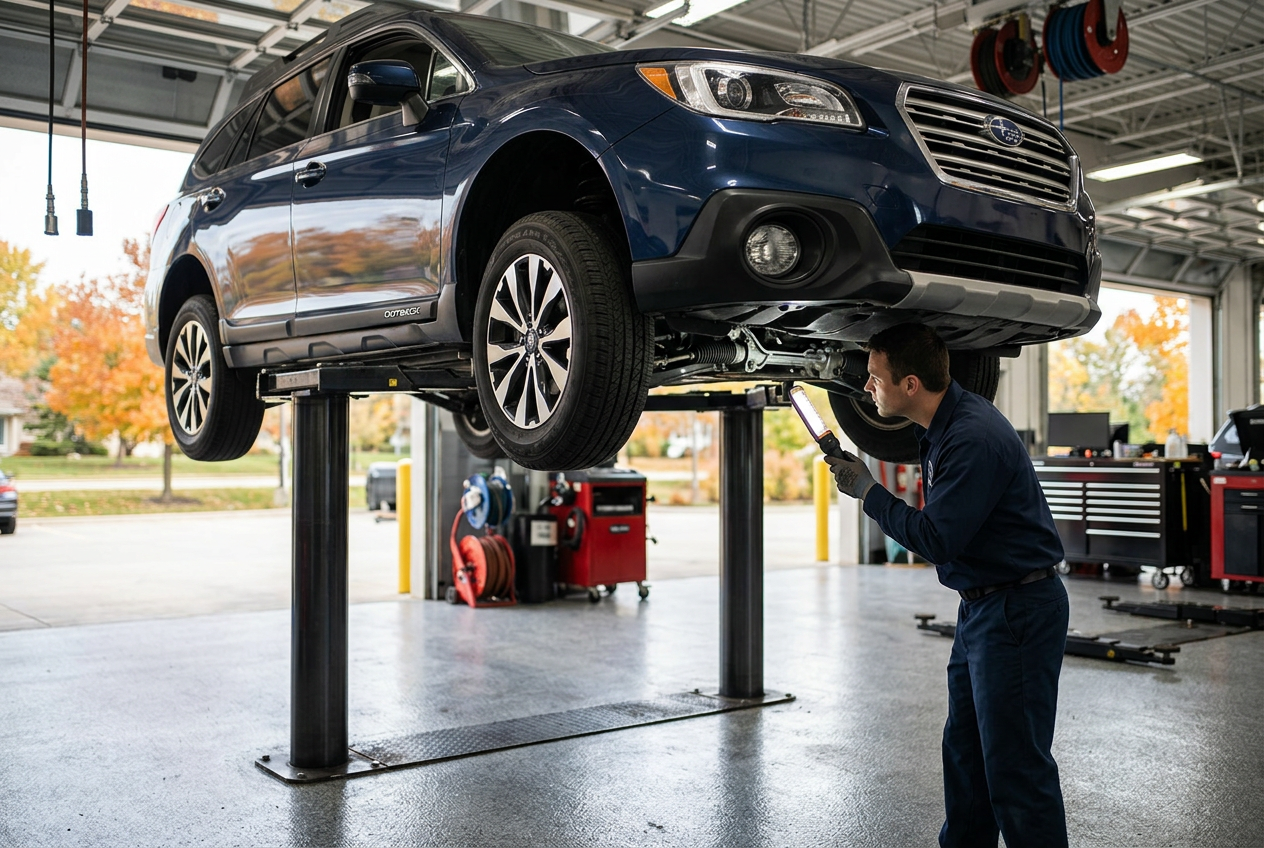
tech working on a 2017 Subaru outback

Is There a Safety Recall for the 2017 Subaru Outback Steering Column?

Is There a Safety Recall for the 2017 Subaru Outback Steering Column? Yes, there is a federal safety recall affecting specific 2017 Subaru Outback models regarding the steering column assembly. National Highway Traffic Safety Administration campaign 16V292000 (Subaru campaign WTD-65) covers vehicles manufactured between February 29, 2016, and May 6, 2016, due to an improperly machined steering column shaft that can fail and prevent steering wheel rotation from turning the front wheels. A secondary campaign, 16V716000, covers models built between September 21 and September 23, 2016, for a steering beam knee-guard bracket weld issue. Safety recalls are conducted to correct potential manufacturing defects before they compromise driver control. In campaign 16V292000, Subaru determined that a batch of steering column shafts received inadequate tool machining during component manufacturing. Under certain driving conditions, the internal shaft splines can wear down or fail to mesh properly with the steering mechanism. When this failure happens, turning the steering wheel may result in zero movement at the front road wheels. Because total loss of steering control creates an immediate hazard, Subaru advised affected vehicle owners not to drive their vehicles until an inspection could be completed. In addition to campaign 16V292000, Subaru issued campaign 16V716000 for a separate structural issue involving the steering support structure. That campaign addresses a knee-guard bracket attached to the steering beam assembly that may have received incomplete or defective factory welds. If a vehicle with this condition is involved in a collision, the bracket might not properly restrain an unbelted driver's lower body, increasing collision injury risks. Both campaigns require precise diagnostic verification by certified factory-trained technicians to confirm whether a specific vehicle requires component replacement. Drivers seeking clarity on whether their vehicle requires attention can contact our service advisors directly at (314) 476-9638 or visit our Sunset Hills facility for a rapid 17-character vehicle identification number search. Table of Contents Which Build Dates Were Affected and What Caused the Steering Defect? What Are the Safety Risks, Warning Signs, and Power Steering Impacts? Can a Used 2017 Subaru Outback Be Sold With an Open Safety Recall? How Do Technicians Inspect and Repair the Steering Column Assembly? Frequently Asked Questions About the 2017 Subaru Outback Steering Column Recall How Owners Can Verify Recall Status and Schedule Repairs Which Build Dates Were Affected and What Caused the Steering Defect? The steering column shaft recall applies exclusively to 2017 Subaru Outback and Legacy vehicles built within specific factory production windows in 2016, rather than across the entire 2017 model year. The primary recall, NHTSA campaign 16V292000, isolates vehicles produced from February 29, 2016, through May 6, 2016. The root cause was traced to cutting tools at the steering column supplier's manufacturing facility that wore beyond acceptable tolerances during production. As a result, improper grooves were machined into the inner shaft of the steering column assembly. Over time, these defective grooves prevent the upper steering shaft from securely engaging the lower shaft coupling, creating a situation where the driver turns the wheel without engaging the steering gear. The secondary recall, NHTSA campaign 16V716000, targets a narrower build window spanning September 21, 2016, through September 23, 2016. This issue stems from improper automated welding processes applied to the knee-guard bracket mounted on the steering beam. Rather than affecting rotational steering mechanics, this defect relates strictly to occupant restraint integrity during severe front impacts. Determining exact vehicle build dates requires looking at the vehicle safety certification label located on the driver side door pillar or running an official VIN lookup. Vehicles manufactured outside these two specific calendar windows do not contain the defective machining or weld patterns and are not subject to these safety notices. Owners driving through Chesterfield can confirm their vehicle's exact build date by requesting a quick service history lookup with our service department. What Are the Safety Risks, Warning Signs, and Power Steering Impacts? A failing steering column shaft presents a critical safety hazard because it can lead to a complete loss of directional steering control while the vehicle is in motion. If the inner shaft splines strip or disengage, the connection between the steering wheel in the cabin and the steering rack attached to the front wheels is broken. Drivers facing this failure will experience total free-spinning of the steering wheel without any response from the tires. Consequently, Subaru issued an explicit stop-drive advisory for campaign 16V292000, instructing owners not to operate affected vehicles until a technical lot inspection confirmed the steering column was safe. Potential physical warning signs that may precede total disengagement include: Excessive play or loose feeling in the steering wheel before wheel resistance is felt. Unusual grinding, clicking, or clunking sounds originating from directly behind the instrument cluster when turning. Binding or uneven mechanical resistance during low-speed parking maneuvers. Catching or slipping sensations while executing turning movements. This recall does not stem from a failure within the electric power steering assist motor, electronic control unit, or steering sensors. The underlying defect is strictly mechanical, involving the physical column shaft and beam brackets. As a result, power steering warning lights on the dashboard may not illuminate to signal an impending mechanical shaft slip, making immediate physical inspection essential if any looseness or noise is detected. Can a Used 2017 Subaru Outback Be Sold With an Open Safety Recall? Federal law strictly prohibits franchised auto dealerships from selling any new or certified pre-owned vehicle that has an uncompleted safety recall. When a pre-owned vehicle arrives at a franchised retail location, technicians perform a mandatory VIN audit to verify that all factory safety campaigns have been satisfied before the vehicle can be listed for sale. If an open recall exists, the dealership must complete the necessary repair work free of charge prior to delivery. In contrast, federal regulations do not restrict private individual sellers from selling used cars with open recalls. Private sellers are not legally obligated to check recall status or complete repairs before transferring a title. Consequently, individuals shopping the secondary market should independently verify the 17-character VIN through official databases to confirm whether open recalls remain on the vehicle. Prospective buyers researching vehicle options, comparing pre-owned utility vehicles, or evaluating new Subaru Outback models and new Subaru BRZ inventory can rely on our service desk to run a comprehensive VIN safety check on any vehicle they are considering. How Do Technicians Inspect and Repair the Steering Column Assembly? Inspecting a 2017 Subaru Outback for the steering column recall is a straightforward process that takes our factory-trained technicians approximately 10 to 15 minutes to complete. During the initial technical inspection, the technician accesses the lower instrument panel to locate the manufacturing lot number stamped on the outer steering column housing. This lot number reveals the exact production date and batch of the steering shaft component. If the lot number falls outside the defective supplier batch, the vehicle is cleared, and no further mechanical work is required. If the lot number matches the recalled batch, a complete replacement of the steering column assembly is performed at no cost to the vehicle owner. The replacement process involves several technical steps: Safely disconnecting the vehicle battery and disarming the supplemental restraint system airbag modules. Removing the lower dashboard trim, steering column covers, and combination switch wiring harnesses. Unbolting the steering column shaft coupling from the intermediate shaft joint. Extracting the compromised steering column unit and installing a brand-new OEM column assembly. Reassembling interior trim, reconnecting electrical connectors, and performing an electronic sensor calibration. Executing a comprehensive four-wheel alignment to ensure the steering wheel is centered and the vehicle tracks straight. The complete column replacement repair typically requires about 1 to 2 hours of shop service time. Suburban commuters from Maryland Heights can easily schedule a service appointment online to complete this safety verification, or order genuine Subaru parts directly through our dedicated service center. Frequently Asked Questions About the 2017 Subaru Outback Steering Column Recall Q: How can I check if my 2017 Subaru Outback has an open recall? Owners can check recall status by locating their 17-character vehicle identification number (VIN) on the lower driver-side corner of the windshield or on their vehicle registration card. Entering this number into the official NHTSA recall lookup tool or providing it to our service team will display all open safety campaigns associated with that specific vehicle. Q: Does the steering column recall repair cost anything? No, all safety recall inspections and replacement repairs are performed completely free of charge to the vehicle owner. Subaru covers all parts and labor costs associated with completing official safety recalls at authorized retail service centers. Q: Is a wheel alignment necessary after replacing the steering column? Yes, replacing the steering column requires disconnecting the mechanical steering linkage, which alters the physical alignment between the steering wheel center and the steering rack. Technicians perform a full four-wheel alignment following column replacement to ensure accurate steering wheel position and proper tire wear. Q: Can I drive my 2017 Outback if I hear clunking noises while turning? If your vehicle exhibits steering column noise, looseness, or slipping sensations, you should not continue driving it. Because campaign 16V292000 involves potential loss of steering control, vehicles showing active symptoms should be parked safely and transported via towing to an authorized service center for immediate inspection. Q: Are open recall checks available if I am cross-shopping other Subaru models? Yes, our service advisors can verify recall history and campaign completion for any Subaru vehicle. Whether you are reviewing a pre-owned crossover or considering options from our new Subaru Ascent lineup, we provide complete safety campaign verification for full peace of mind. How Owners Can Verify Recall Status and Schedule Repairs Addressing open safety recalls is a fundamental aspect of maintaining vehicle reliability and passenger safety. If you own a 2017 Subaru Outback, confirming whether your vehicle was manufactured within the affected 2016 production windows takes only a few minutes. Our factory-trained service team possesses the specialized diagnostic tools and genuine OEM replacement parts needed to inspect your steering column lot number and complete any necessary repairs quickly. All recall-related inspections, component replacements, and alignment checks are provided free of charge under manufacturer recall guidelines. To verify your VIN or schedule a recall inspection, contact our service team at (314) 476-9638 or drop by our Sunset Hills location today. © 2026 Sunset Hills Subaru. All rights reserved. 2017 Subaru Outback Recall Info in Sunset Hills MO | Sunset Hills Subaru

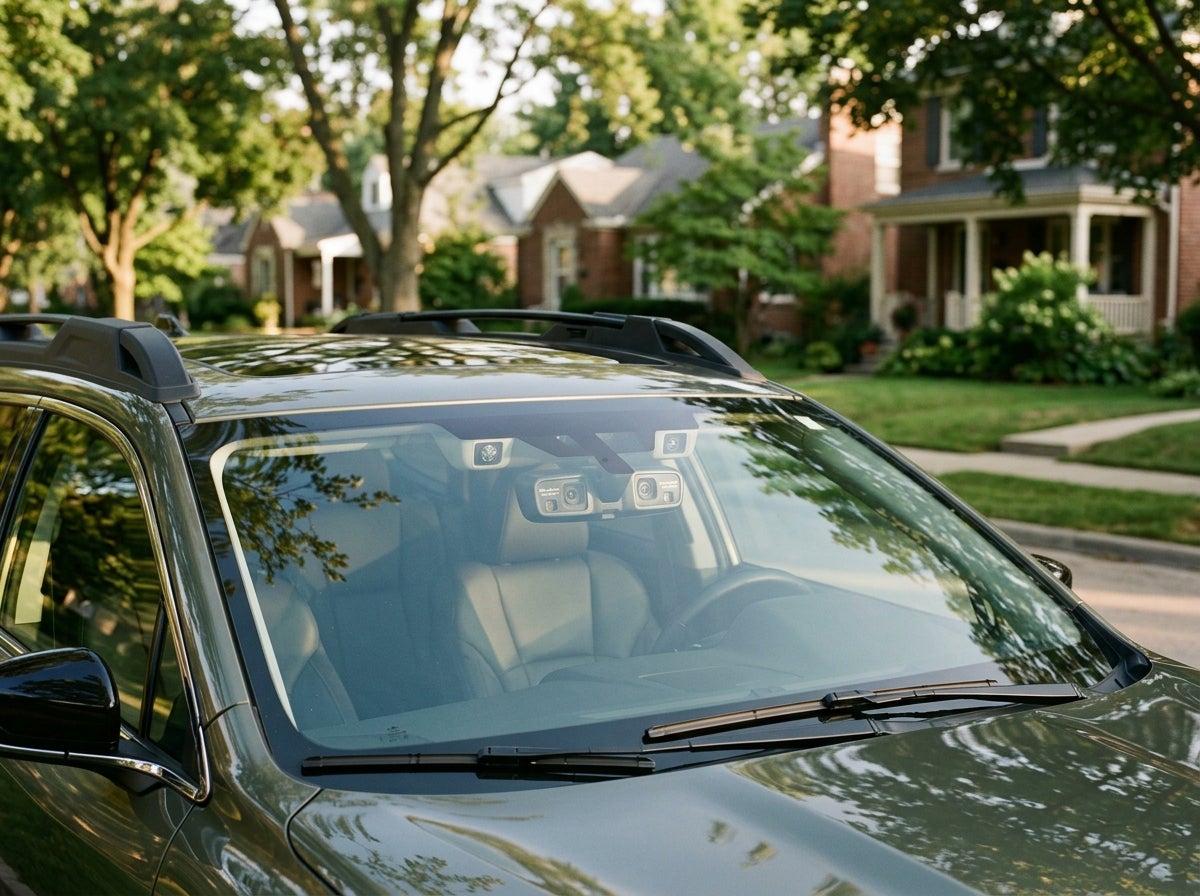
Front windshield of an olive green SUV showing mounted cameras parked on a tree-lined suburban street. (Representative image for illustration purposes only. Actual vehicle may vary based on trim and configuration.)

2026 Subaru Outback Safety Upgrade Costs: Complete Breakdown From Standalone Packages to Higher Trims

When evaluating the purchase of a new midsize crossover, few attributes carry as much weight for drivers as safety. Subaru has long maintained an industry-wide reputation for building vehicles that protect their occupants, and the 2026 Subaru Outback continues this legacy with an expanded array of active driver-assist system options. If you are researching a vehicle purchase at Sunset Hills Subaru, one of the most critical financial questions you will ask is: What does it actually cost to upgrade to enhanced safety technology on the 2026 Outback? To answer directly: baseline standard safety equipment—including Subaru's world-renowned EyeSight Driver Assist Technology—adds exactly $0 to the base window sticker because it comes factory-installed on every 2026 Outback model. However, if you desire enhanced active safety features like Blind-Spot Detection with Lane Change Assist, Rear Cross-Traffic Alert, Reverse Automatic Braking (RAB), Emergency Automatic Steering, or the DriverFocus Distraction Mitigation System, your investment will range between $1,400 and $2,995 in factory-bundled option packages on trim levels like the Outback Premium. Alternatively, stepping up directly to mid- and high-tier trims like the Limited, Touring, or Wilderness incorporates these enhanced technologies as standard equipment, representing trim tier bumps of $3,500 to $8,000 over the base model while bundling luxury amenities such as leather upholstery, premium Harman Kardon sound systems, and hands-free power rear gates. Navigating factory option sheets can sometimes feel overwhelming. At Sunset Hills Subaru, located conveniently at 10100 Watson Rd, Sunset Hills, MO 63127, our commitment is complete pricing transparency. Whether you are browsing our New Subaru Outback Inventory online or visiting our showroom in person, understanding how safety equipment breaks down financially ensures that you pay only for the technology that fits your daily driving needs and budget. Which New Safety Technologies Are Standard on the 2026 Outback vs. Paid Package Upgrades? Every 2026 Subaru Outback comes standard with the latest iteration of Subaru's EyeSight Driver Assist Technology. This core safety suite relies on dual front-facing stereo cameras mounted flush against the upper windshield inside the cabin. Standard features included at base price comprise: Advanced Adaptive Cruise Control with Lane Centering, Pre-Collision Braking, Pre-Collision Throttle Management, and Lane Departure and Sway Warning. However, Subaru delineates its active safety lineup into baseline assistance versus advanced situational protection. Advanced situational technologies rely on additional hardware components, such as wide-angle mono cameras, rear radar sensors embedded beneath the rear bumper fascia, and interior infrared facial recognition sensors. These advanced optional hardware systems power optional upgrades: Blind-Spot Detection with Lane Change Assist, Rear Cross-Traffic Alert, Reverse Automatic Braking (RAB), Emergency Automatic Steering, and the DriverFocus Distraction Mitigation System. Knowing which system includes which sensors allows you to select the exact level of protection required for your commute. Safety Feature Standard Equipment Tier Paid Upgrade Package Tier Primary Hardware Involved Adaptive Cruise Control & Lane Centering Standard (All Trims) Included Base ($0) Dual EyeSight Stereo Cameras Pre-Collision Automatic Braking Standard (All Trims) Included Base ($0) Dual EyeSight Stereo Cameras Wide-Angle Mono Camera Detection Standard (All Trims) Included Base ($0) Single Center Mono Camera Blind-Spot Detection & Rear Cross-Traffic Standard on Limited / Touring Option Package 13/15 ($1,400+) Rear Bumper Radar Sensors Emergency Automatic Steering Standard on Limited / Touring Option Package 15 ($2,995) EyeSight + Blind-Spot Radar Reverse Automatic Braking (RAB) Standard on Limited / Touring Option Package 15 ($2,995) Rear Ultrasonic Sonar Sensors DriverFocus Distraction Mitigation Standard on Touring / Limited XT Option Package 15 / Trim Step Dashboard Infrared LED Camera How Standalone Option Packages and Trim Level Upgrades Impact Total 2026 Outback Pricing Subaru structures vehicle customization around factory option packages and distinct trim tiers. Understanding the math behind these options is the key to maximizing value when buying your 2026 Outback. Option Package 13 (Premium Trim) Cost: ~$1,400 Designed for buyers who want essential blind-spot protection without adding luxury trim extras. OP 13 adds Blind-Spot Detection with Lane Change Assist and Rear Cross-Traffic Alert to the Outback Premium trim, alongside Keyless Access with Push-Button Start and a hands-free power rear gate. Option Package 15 (Premium Trim) Cost: ~$2,995 This comprehensive package builds on Option 13 by adding Emergency Automatic Steering, Reverse Automatic Braking (RAB), power moonroof, and 11.6-inch Multimedia Navigation. It offers complete active defense without moving up to higher-tier leather-trimmed models. Direct Trim Step-Up (Limited / Touring) Cost Delta: $3,500 – $8,000 Stepping up to Outback Limited or Touring automatically standardizes all safety technologies. In addition, you gain perforated leather upholstery, Harman Kardon premium audio, power-adjustable passenger seating, and ventilated front seats on Touring trims. Browse New Subaru Outback Inventory What Expert Opinions and Automotive Reviews Say About 2026 Outback Safety Features Automotive journalists and independent safety testing organizations consistently praise Subaru's approach to driver assistance. In reviews evaluating the 2026 Outback, automotive critics highlight significant real-world improvements in radar sensor processing speeds and wide-angle camera field-of-view. Key takeaways from expert reviews include: • Faster Sensor Processing: The integration of electric power brake boosters allows EyeSight to initiate emergency stopping maneuvers milliseconds faster than previous generations. • Pedestrian & Cyclist Recognition: The third wide-angle mono camera drastically increases urban pedestrian detection at intersections. • Emergency Steering Nuance: Testers note that Emergency Automatic Steering feels smooth and decisive rather than abrupt when avoiding obstacles at speeds under 50 mph. How 2026 Subaru Outback Safety Technology and Costs Compare to Midsize SUV Competitors To evaluate whether the 2026 Outback offers strong value in its safety technology packages, it is useful to examine how its packaging compares to major segment rivals like the Honda CR-V, Toyota RAV4, and Jeep Grand Cherokee. While many manufacturers lock essential active safety gear inside top-tier trim levels, Subaru includes core EyeSight protection standard on every single vehicle built. Model Base Active Safety Suite Blind-Spot & Rear Cross-Traffic Cost Reverse Automatic Braking Cost Standard AWD Safety Synergy 2026 Subaru Outback Standard (EyeSight + Mono Cam) Standard on most trims or ~$1,400 package Available on ~$2,995 package or Limited trim Yes (Symmetrical All-Wheel Drive Standard) Honda CR-V Standard (Honda Sensing) Standard on EX and above (~$32,000+) Requires Top-Tier Touring Trim (~$40,000+) No (AWD is $1,500+ Option on Base) Toyota RAV4 Standard (Toyota Safety Sense) Optional Package on LE / Standard XLE Requires High-Tier Packages (~$3,000+) No (AWD is extra option on base) Jeep Grand Cherokee Standard (Basic ADAS) Standard on Mid-Trims Requires High-Tier Lux Packages ($4,000+) No (4WD costs extra on entry trims) As demonstrated above, Subaru's competitive advantage lies in combining factory Symmetrical All-Wheel Drive with baseline EyeSight at no extra cost. When comparing competitive midsize SUVs, buyers often find they must spend $2,000 to $4,000 in add-on options simply to match the baseline foul-weather capability and active braking performance that comes standard on every 2026 Outback at Sunset Hills Subaru. Does Safety Tech Impact Efficiency, and What Are the Differences in Fuel Economy Between 2026 and 2025 Models? A common query from shoppers is whether continuous electronic scanning by multiple onboard cameras, radar units, and infrared monitoring sensors increases electrical parasitic draw enough to negatively impact overall fuel economy. Modern automotive electrical architectures are engineered for high efficiency. The microprocessors powering the 2026 Outback's EyeSight camera system operate on low-voltage DC power. The battery draw is negligible and has zero measurable impact on internal combustion engine fuel consumption. EPA fuel efficiency estimates for the 2026 Subaru Outback remain virtually unchanged from the 2025 model year: • 2.5L 4-Cylinder BOXER Engine: EPA-estimated 26 MPG City / 32 MPG Highway / 28 MPG Combined. • 2.4L Turbocharged BOXER Engine (XT / Wilderness): EPA-estimated 22 MPG City / 29 MPG Highway / 25 MPG Combined (21/26/23 for Wilderness due to aggressive gearing and all-terrain tires). In fact, driver assist technology often improves real-world fuel economy. Subaru's Advanced Adaptive Cruise Control manages throttle application during highway cruising far more smoothly than human driver inputs, eliminating rapid acceleration spikes and brake riding in stop-and-go traffic. Whether you are commuting along I-270 or taking summer road trips outside St. Louis, driving an EyeSight-equipped Outback helps maintain optimal cruise efficiency while keeping your family protected. What Maintenance Changes and Calibration Costs Accompany the 2026 Outback Redesign? While safety upgrades deliver invaluable peace of mind on the road, vehicle owners should also factor long-term ownership maintenance into their budget. Highly advanced camera and radar systems require precise physical positioning and software calibration to operate accurately. Windshield Replacement Calibration If a road pebble cracks your windshield, replacement glass must be OEM-certified to ensure proper optical clarity for EyeSight cameras. A target recalibration process is performed at our factory service center using specialized alignment targets. Recalibration costs typically range from $300 to $600, though this is often covered under comprehensive auto insurance policies. Radar & Sonar Alignment Minor fender benders or rear bumper impacts can shift rear radar sensors out of alignment. If a sensor moves even a fraction of a degree, a warning light will illuminate on your dash. Routine bumper maintenance or body repairs require diagnostic sensor angle resets to restore full function for Blind-Spot Detection. Routine Wheel Alignments Because Lane Centering relies on precise steering angle sensors synchronized with EyeSight camera input, keeping your suspension properly aligned is essential. Routine wheel alignment service ensures that auto-steering inputs match actual road trajectories perfectly. When maintenance is required, trust factory-certified technicians equipped with specialized Subaru diagnostic tools. You can easily Schedule Service and Diagnostics online or check our Current Service and Parts Specials before your visit. Schedule Service & Diagnostics How Should You Select the Appropriate 2026 Outback Trim Level for Your Daily Safety Needs? To ensure you don't overspend on technology you may not utilize—or miss out on crucial driver-assist features—use this straightforward buyer decision matrix based on your daily commute: 1. The Essential Highway Commuter (Base Trim): If your daily drive consists of standard highway miles and clear suburban arterial roads, the standard EyeSight system with Adaptive Cruise and Lane Centering provides world-class crash protection at zero extra package cost. 2. The Multi-Lane Highway Commuter (Premium with Option Package 13): If you frequently commute in multi-lane traffic, adding Blind-Spot Detection and Rear Cross-Traffic Alert ($1,400) provides critical side and rear situational awareness when merging. 3. The Busy Suburban Family (Premium with Option Package 15 or Limited Trim): If you routinely park in congested suburban school drop-off zones or tight shopping centers, Reverse Automatic Braking (RAB) is invaluable for preventing low-speed backing collisions. Navigating St. Louis Commutes and Ladue Suburban Driving with Enhanced Outback Safety Systems Living in the greater St. Louis metropolitan area presents diverse driving challenges. From the high-speed rush-hour congestion along I-270 and I-64 to navigating tight, tree-lined residential driveways in Ladue and Sunset Hills, the 2026 Outback's enhanced safety options solve real local commuting headaches. For instance, backing out of narrow driveways with obscured sightlines due to parked cars or mature landscaping becomes far stress-free with Rear Cross-Traffic Alert and Reverse Automatic Braking. When sensors detect an approaching vehicle or pedestrian from either side, the system provides audible visual alerts and can automatically apply full braking force to avoid a collision. Furthermore, during heavy summer downpours along Watson Road, EyeSight's enhanced camera processing maintains vehicle tracking accuracy when visibility drops. Financing Your Safety Upgrades: How Trade-In Value and Subaru Financing Can Help Offset Package Pricing When calculated over a 48- or 60-month auto loan term, a $1,400 to $2,995 safety package upgrade may affect your monthly payment depending on terms. Many customers find that leveraging existing vehicle equity absorbs this cost completely. At Sunset Hills Subaru, you can quickly Get your value trade online to see how much equity you hold in your current vehicle. Applying trade-in equity directly toward your down payment reduces the total financed balance, offsetting option package costs effortlessly. Additionally, taking advantage of current manufacturer financing options can keep your monthly investment surprisingly low. You can Get approved for financing online in minutes through our secure finance office. Smart Buyer Financial Tip: Safety features like Blind-Spot Detection and Reverse Automatic Braking frequently qualify drivers for savings opportunities on their auto insurance premiums. Be sure to contact your insurance provider for policy discount details on EyeSight-equipped models. Get Approved For Financing Do Experts Recommend the 2026 Outback Wilderness Safety Package for Off-Road and Winter Driving? Dual-Function X-MODE Integration The 2026 Outback Wilderness pairs standard active safety technology with Dual-Function X-MODE settings tailored specifically for Snow/Dirt and Deep Snow/Mud. Auto-tuning traction control keeps wheels planted in hazardous winter sludge. Lifted Suspension Calibration Because the Wilderness features a factory 9.5-inch ground clearance, Subaru factory engineers specifically recalibrated EyeSight camera angles and pitch sensors to account for higher ride height, delivering accurate automated braking. Expert Consensus Off-road and automotive reviewers universally recommend the Wilderness package for drivers who regularly tackle severe winter conditions, light dirt trails, or unpaved backroads due to its combination of rugged hardware and active electronic monitoring. Explore Safety-Equipped 2026 Subaru Outback Models at Sunset Hills Subaru Today Choosing the right safety package on your 2026 Subaru Outback comes down to matching your driving habits with the features that provide real value for your daily routine. Whether you prefer a cost-effective Premium trim with Option Package 13 or a top-tier Outback Touring fully equipped with DriverFocus distraction mitigation, Sunset Hills Subaru is here to help. Visit our local showroom at 10100 Watson Rd, Sunset Hills, MO 63127 or explore our extensive online inventory of new models. Get Directions to Sunset Hills Subaru or Call us at (314) 476-9638 to speak with our certified Subaru brand specialists today. Be sure to check out our Current New Car Specials for the latest current offers! View New Outback Inventory & Schedule Test Drive 2026 Subaru Outback Safety Packages in Sunset Hills MO | Sunset Hills Subaru