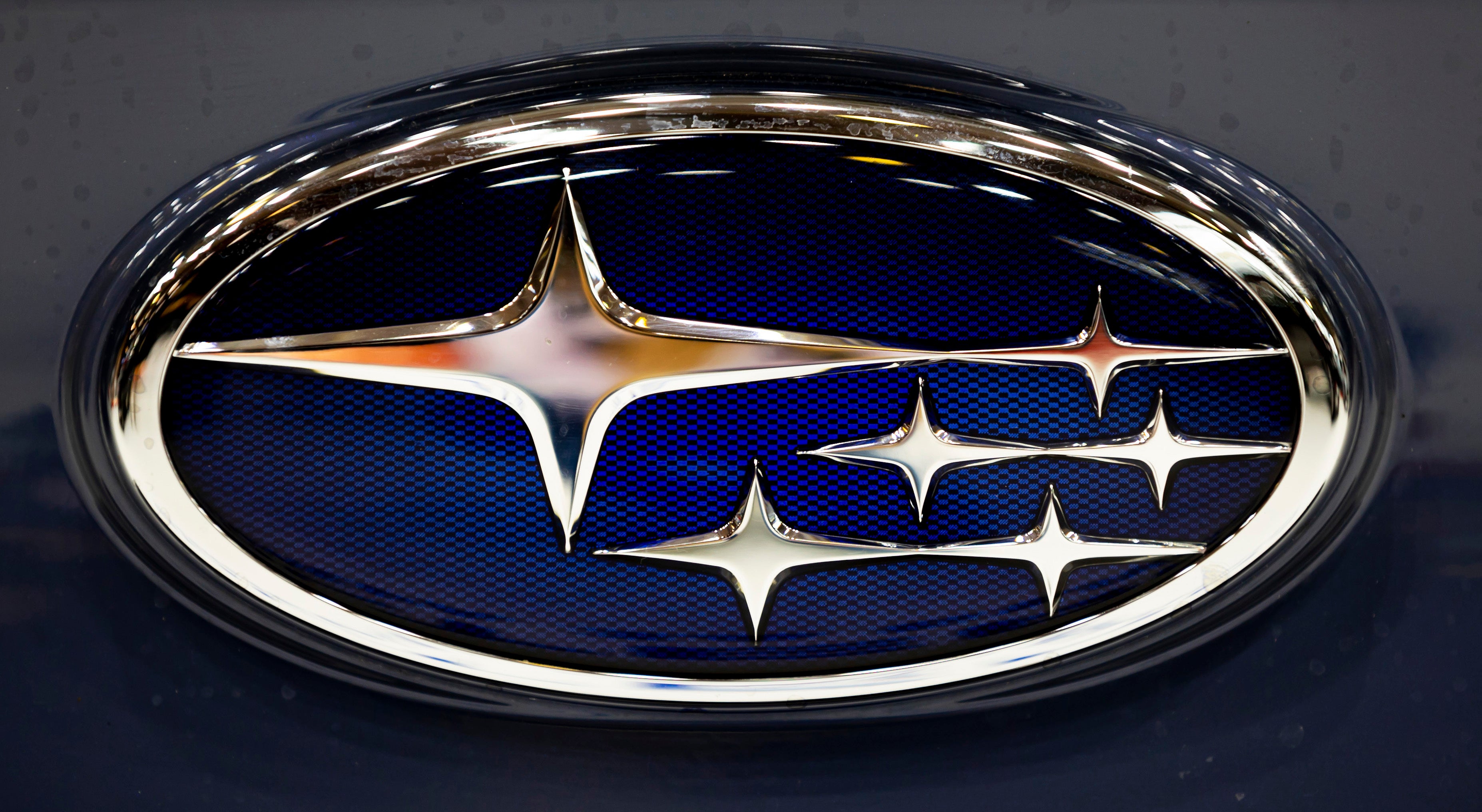
Which Star Cluster Inspired the Subaru Logo and What Does 'Subaru' Mean in Japanese? The astronomical inspiration behind Subaru's identity is the Pleiades star cluster, cataloged by astronomers as Messier 45 (M45). Located approximately 444 light-years away from Earth in the constellation Taurus, the Pleiades is one of the closest and most brilliant star clusters visible to the naked human eye from North America and Asia alike. In ancient Japan, this prominent cluster was traditionally known as Subaruboshi (meaning 'the gathered stars') or Mutsuraboshi ('six stars grouped together'). Early Classical Japanese literature, including the famous 10th-century anthology The Pillow Book (Makura no Sōshi) by Sei Shōnagon, highlights the cluster as the most captivating feature of the night sky, praising its tightly knit sparkle. Etymologically, the classical verb sumaru (which evolved phonetically into Subaru) was recorded in early Japanese manuscripts like the Kojiki and Man'yōshū. It referred specifically to the stringing together of precious gemstones or beads into a unified necklace. Thus, when applied to automotive engineering, the name captures a profound philosophy: individual engineering components and distinct corporate entities woven together into a harmonized, high-performance whole. This cultural connection to nature and cosmic order mirrors Subaru's modern commitment to outdoor adventure, environmental stewardship, and engineering symmetry—epitomized by Symmetrical All-Wheel Drive and the iconic Subaru BOXER engine layout. Why Does Subaru’s Logo Show Six Stars When the Pleiades Cluster Has Seven or More? Astronomers and stargazers frequently point out a captivating celestial paradox: Western mythology traditionally refers to the Pleiades as the 'Seven Sisters' (representing Maia, Electra, Alcyone, Taygete, Asterope, Celaeno, and Merope, daughters of Atlas and Pleione). Why, then, does the Subaru badge strictly showcase six stars? The answer combines naked-eye observational astronomy with Japanese cultural history and deliberate graphic design. Under standard, non-telescopic night sky viewing conditions across most of Earth, only six stars in the cluster shine brightly enough to be distinctly separated by human vision. The seventh star (Pleione) is a variable star that frequently dims or sits so closely beside Atlas that it appears merged to observers on the ground. Because ancient Japanese skywatchers consistently identified six clear points of light without optical magnification, folk tradition referred to the cluster as Mutsuraboshi ('six stars'). When Kenji Kita and his design team evaluated graphic concepts in 1953, six stars provided the exact numerical match needed to represent the merger of five sub-companies into one major parent company. Furthermore, from an artistic perspective, a six-star layout allowed for a balanced geometric composition. Placing one dominant star to the left and arranging five smaller, stylized stars on the right created an organic sense of movement, symbolizing forward momentum and unity on Japanese roadways. What Was Fuji Heavy Industries' Original Company Name and How Was Subaru Founded? 1917–1945: Aviation Roots Subaru's industrial origin dates back to 1917 when Chikuhei Nakajima established the Aircraft Research Laboratory. Expanding rapidly, it became the world-renowned Nakajima Aircraft Company, Japan's premier aeronautical manufacturer during World War II, famed for engine precision and aerodynamic engineering. 1945–1953: Fuji Sangyo Era Following WWII, the company reorganized as Fuji Sangyo Co., Ltd., shifting aviation expertise toward civilian transportation. Engineers produced the Fuji Rabbit motor scooter using surplus aircraft parts, proving that compact, reliable mobility could revitalize post-war commerce. 1953: Birth of FHI & Subaru In 1953, five spinoff companies merged with Fuji Sangyo to formally institute Fuji Heavy Industries Ltd. (FHI). CEO Kenji Kita championed automotive manufacturing, leading to the creation of the Subaru brand name and six-star emblem for passenger vehicles. Browse New Subaru Inventory What Was the First Automobile Produced by Subaru to Wear the Star Badge? The first production vehicle to display the Subaru six-star badge was the legendary Subaru 360, affectionately nicknamed the 'Ladybug' (Kento-mushi) in Japan due to its rounded monocoque shell and compact profile. Launched on March 3, 1958, this revolutionary microcar was engineered to meet Japan's government standards for 'Kei' light vehicles. Powered by a rear-mounted 356cc air-cooled two-cylinder two-stroke engine producing just 16 horsepower, the Subaru 360 featured a lightweight fiberglass roof panel, suicide-style rear-hinged doors, and independent rear torsion bar suspension. Despite its modest dimensions, it democratized vehicle ownership across Japan, selling over 392,000 units during its twelve-year production run. The initial badge worn by the Subaru 360 differed visually from today's modern emblem. Early 1958 models featured gold-embossed stars set against a vibrant red lacquer background, enclosed in a shield-like metallic crest. Over subsequent decades, the emblem transitioned through various metallic configurations until settling into the sleek blue-oval chrome design recognized worldwide today. How Does Subaru's Brand Name Origin Compare to Toyota, Mazda, and Honda? In the landscape of Japanese automotive history, brand names generally fall into two distinct naming philosophies: individual founder family surnames versus evocative linguistic and astronomical terms. Subaru stands in a rare category among major automakers. Founder Surnames Toyota, Honda, and Suzuki: Toyota derives from founder Kiichiro Toyoda (modified to eight stroke marks in kanji for luck). Honda honours Soichiro Honda. Suzuki bears the name of Michio Suzuki. These follow traditional patronymic corporate naming. Philosophical Roots Mazda: Combines founder Jujiro Matsuda's family name with Ahura Mazda, the ancient Persian Zoroastrian god of harmony, intelligence, and light, reflecting an early international brand vision. Pure Celestial Verb Subaru: Distinctly unique as a native Japanese astronomical term and active verb ('to unite'). Rather than honoring a single individual, it highlights group unity, structural harmony, and nature. Automotive Brand Name Origin Source Literal Meaning Primary Logo Symbol Subaru Native Japanese / Pleiades Cluster 'To gather together' or 'Unite' Six Stars in Oval Frame Toyota Founder Family (Kiichiro Toyoda) 'Bountiful Rice Field' Three Interlocking Ovals Honda Founder Family (Soichiro Honda) 'Original Rice Paddy' Stylized Metallic 'H' Mazda Founder (Matsuda) & Zoroastrian Deity 'God of Light and Wisdom' Winged 'V' in Oval How Does the Subaru Six-Star Logo Differ from the Mercedes-Benz Three-Pointed Star and Other Badges? Several global vehicle brands feature stars within their heraldry, but the underlying philosophy differs dramatically between Western industrial symbolism and Subaru's astronomical heritage: Mercedes-Benz Three-Pointed Star: Designed by Gottlieb Daimler, the three points represent technical dominance across three physical realms: land, sea, and air. It is a statement of industrial capability and global ambition. Chrysler Pentastar: Created in 1962 by the Lippincott & Margulies design agency, the five-pointed geometric star was designed as a modern abstract corporate signature denoting dynamic forward energy and corporate expansion. Subaru Six-Star Emblem: Rather than representing physical conquest over land or mechanical abstract symmetry, Subaru utilizes an actual astronomical star cluster. It emphasizes unity among people, precision engineering aligned with nature, and light guiding drivers safely home in all weather conditions. What Does the Name Solterra Mean on Subaru's Electric SUV and How Does It Honor Brand Tradition? As Subaru stepped into the all-electric future with its flagship EV SUV, designers returned directly to the brand's celestial and nature-inspired roots for naming inspiration. The name Solterra is created by joining two classical Latin words: 'Sol' (the Sun) and 'Terra' (the Earth). This blend pays homage to the sun as the ultimate source of clean energy and light, while Terra reinforces Subaru’s long-standing dedication to earthbound exploration, off-road capability, and environmental preservation. For eco-conscious drivers around Ladue, Maryland Heights, and Sunset Hills, the Solterra offers zero emissions without compromising Symmetrical All-Wheel Drive capability. By carrying the iconic six-star emblem on an all-electric platform, the Solterra demonstrates that technological evolution and brand heritage remain deeply intertwined. Whether navigating winter snow or commuting through St. Louis, Solterra drivers experience the next generation of Subaru engineering. Interested in making the leap to zero-emission driving? Explore our New Subaru Solterra Inventory or talk to our finance specialists about local electric vehicle incentives and EV charging solutions. Explore New Subaru Solterra Models How Much Do Custom Illuminated Subaru Grille Emblem Kits Cost and How Are They Installed? OEM Kit Pricing Genuine OEM Subaru LED illuminated star grille emblem kits are available at current pricing that may vary by model year and trim integration. These genuine accessories feature soft white or deep blue accent illumination calibrated for legal road use. Wiring & Integration Installation involves removing the upper front bumper cover, mounting the waterproof housing to the grille shell, and tapping into the factory headlight/daytime running light harness using plug-and-play connections to prevent battery drain or electrical faults. Professional installation at authorized facilities takes approximately 1 to 1.5 hours. You can Find Subaru Parts and schedule accessory installation directly through our Sunset Hills service department. Accessory Package Parts Cost Range Est. Install Time Key Features OEM LED Front Star Badge Kit $220 - $380 1.0 Hour Factory harness integration, weather sealed, dusk sensor link STI Performance Pink Badge Accent $80 - $150 0.5 Hours Cherry Blossom Pink perimeter trim ring, gloss finish Matte Black / Smoked Overlay Kit $45 - $90 0.5 Hours UV resistant vinyl/polycarbonate shield, anti-glare finish Where to Spot the Pleiades Cluster Around Chesterfield, Ladue, and Maryland Heights in a Subaru For local Subaru owners seeking to view the real Pleiades star cluster in the night sky, Eastern Missouri offers several excellent low-light viewing destinations just a short drive from St. Louis County: 1. Dr. Edmund A. Babler Memorial State Park (Wildwood): Located just west of Chesterfield, Babler State Park offers dark hilltop vistas away from suburban light pollution, making autumn and winter night viewings of Taurus and M45 exceptionally crisp. 2. Faust Park Open Fields (Chesterfield): For residents in Ladue and Maryland Heights wanting a quick stargazing spot, the open meadow areas near Faust Historic Village offer wide sky access on clear autumn evenings. 3. Cuivre River State Park (Troy): A scenic 45-minute night drive north in your Outback or Forester leads to one of Missouri's darkest designated sky parks, where all six principal stars of Subaru shine with brilliant clarity. Equipped with standard Symmetrical All-Wheel Drive, generous ground clearance, and panoramic glass moonroofs, Subaru vehicles like the Outback, Forester, and Ascent are built specifically to take your family on celestial stargazing excursions in complete comfort. When Did Fuji Heavy Industries Officially Change Its Name to Subaru Corporation? For decades, automotive enthusiasts knew that Fuji Heavy Industries Ltd. (FHI) was the corporate entity behind Subaru automobiles. However, on April 1, 2017, coinciding with the 100th anniversary of the founding of Nakajima Aircraft in 1917, the parent corporation officially renamed itself Subaru Corporation. This historic name change unified global automotive branding, aerospace divisions, and industrial manufacturing under a single recognized emblem. It signaled a clear strategic shift: prioritizing consumer automotive safety, electrification, and long-term brand equity. Today, Subaru Corporation stands as a global leader in automotive safety, regularly earning top IIHS TOP SAFETY PICK+ accolades across its entire vehicle lineup. The unity embodied by the six stars continues to drive technological breakthroughs in EyeSight Driver Assist Technology and Global Platform architecture. Thinking about trading in your current vehicle for a late-model Subaru engineered under this unified corporate vision? You can Get your value trade online in just a few clicks. Value Your Trade-In Vehicle 7 Fun Facts About the Subaru Six-Star Emblem, Rally Heritage, and Brand Lore 1. World Rally Blue Code The iconic World Rally Blue (WR Blue Pearl) paint made famous by Colin McRae's WRC Impreza was specially created to match the deep night-sky blue background of the six-star emblem. 2. Cherry Blossom Pink Subaru Tecnica International (STI) uses Cherry Blossom Pink (Sakura-iro) for performance emblems—a traditional Japanese color representing martial courage and spring renewal. 3. 1,000 Yen Currency Link Hideyo Noguchi, the renowned microbiologist featured on Japan's 1,000 yen banknote, shares heritage ties to Fukushima prefecture where early Subaru engineering labs operated. 4. November Sky Alignment The Pleiades star cluster reaches its highest zenith in the Midwestern night sky during mid-November—making late autumn the optimal season for local Missouri stargazing. 5. Symmetrical AWD Legacy Subaru introduced its first All-Wheel Drive passenger car, the Leone Station Wagon 4WD, in 1972—over a decade before competitors recognized AWD safety benefits. 6. Pop Culture Cameos From anime classics like Initial D featuring the legendary Impreza WRX STI to modern Hollywood films, the six-star badge symbolizes high-performance agility. Experience Subaru Heritage and Innovation at Sunset Hills Subaru Near Chesterfield From the historical merger of five pioneering companies into Fuji Heavy Industries to the modern lineup of AWD crossovers and electric vehicles, the six stars of Subaru represent safety, reliability, and continuous innovation. At Sunset Hills Subaru, located at 10100 Watson Rd, Sunset Hills, MO 63127, we are proud to connect drivers across Chesterfield, Ladue, Maryland Heights, and Greater St. Louis with this exceptional heritage. Whether you are shopping for a new Outback or Forester, interested in certified pre-owned vehicles, or needing expert service from factory-trained technicians, our team is committed to providing an outstanding dealership experience. Call us directly at (314) 476-9638 or get step-by-step driving routes with Get Directions to Sunset Hills Subaru. Get Directions to Dealership Subaru Logo Symbolism in Sunset Hills MO | Sunset Hills Subaru