
Blog / Maintenance & Service

Conquering the Heat: Your Ultimate Guide to Subaru Summer Readiness in St. Louis

AI generated: Photorealistic cinematic wide shot, modern sapphire blue Subaru Outback parked along a scenic road in Sunset Hills, Missouri, distant hazy silhouette of the St. Louis Gateway Arch on the horizon, intense golden summer sunlight, shimmering heat haze rising from the black asphalt, lush green Missouri foliage and oak trees in the background, low camera angle focusing on the car's front profile, brilliant lens flare, vibrant blue sky with soft wispy clouds, high contrast lighting, professional automotive lifestyle photography, deep shadows and bright highlights, emphasizing a cool and ready-for-adventure aesthetic, reflecting the intense humidity and warmth of a Midwest summer.

Conquering the Heat: Your Ultimate Guide to Subaru Summer Readiness in St. Louis

St. Louis summers are a unique beast. One day you are enjoying a breeze off the Mississippi, and the next, the heat index is soaring into the triple digits with humidity so thick you can feel it. For Subaru owners in Sunset Hills, this seasonal shift is more than just an inconvenience—it is a rigorous test for your vehicle's engineering. Your Subaru is built for adventure, but the transition from a temperamental Missouri spring to a relentless summer requires a proactive approach to maintenance. At Sunset Hills Subaru, we believe that understanding the 'why' behind summer service is just as important as the service itself.

When temperatures climb, every system in your vehicle works harder. From the Symmetrical All-Wheel Drive components to the intricate Boxer engine cooling channels, heat is the ultimate stressor. Ignoring these changes can lead to reduced efficiency, unexpected breakdowns, and a shorter lifespan for your vehicle. This guide is designed to walk you through the essential steps to ensure your Subaru remains a reliable companion, whether you are commuting down Watson Road or heading out for a weekend at the Lake of the Ozarks. By taking a few moments to prepare now, you can avoid the frustration of a roadside emergency when the Missouri sun is at its peak.

The Gateway City Sizzle: Understanding Missouri's Summer Impact

In St. Louis, we don't just deal with heat; we deal with atmospheric pressure and humidity that rivals tropical climates. This 'Gateway City Sizzle' has a chemical and physical impact on your Subaru. High ambient temperatures accelerate the degradation of rubber components—think belts, hoses, and door seals. When the air is saturated with moisture, your vehicle's cooling system has to work twice as hard to dissipate heat, as the evaporation process (which helps cool the radiator) is significantly slowed.

Furthermore, the asphalt on I-44 and I-270 can reach temperatures exceeding 140 degrees Fahrenheit. This radiant heat cooks your engine from below while the sun beats down from above. We often see an uptick in fluid evaporation and seal failures during the first major heatwave of June. Understanding that your car is a complex ecosystem of fluids and moving parts is the first step in protecting it. A well-maintained Subaru is designed to handle these extremes, but only if the vital 'health indicators' are checked before the mercury hits 90.

AI generated: A dramatic photorealistic Subaru Outback driving through downtown St. Louis during an intense summer heatwave. The iconic Gateway Arch rises in the background while visible heat waves shimmer above sun-scorched asphalt. The roadway appears to radiate extreme heat, illustrating temperatures exceeding 140 degrees Fahrenheit. The Subaru remains composed and reliable despite the challenging conditions. Cinematic sunlight, realistic atmospheric haze, ultra-detailed vehicle reflections, professional automotive advertising photography, HDR lighting, magazine-quality image, 8K resolution, highly realistic summer environment.

The Heart of the Matter: Cooling System and Radiator Health

Subaru Super Coolant

Unlike generic fluids, Subaru Super Coolant is specifically formulated to protect the aluminum components of the Boxer engine. It features high-quality anti-foaming agents that prevent air pockets from forming in the cylinder heads during high-heat operation.

Hose Integrity

Rubber hoses become brittle over time. In the St. Louis humidity, a small crack can quickly become a major leak under pressure. We inspect every hose for 'soft spots' or bulging that indicates internal failure is imminent.

Radiator Fan Function

When you're stuck in traffic on Watson Rd, your radiator relies entirely on the electric cooling fan. If this fan isn't engaging correctly, your engine can overheat in minutes, even if the coolant levels are perfect.

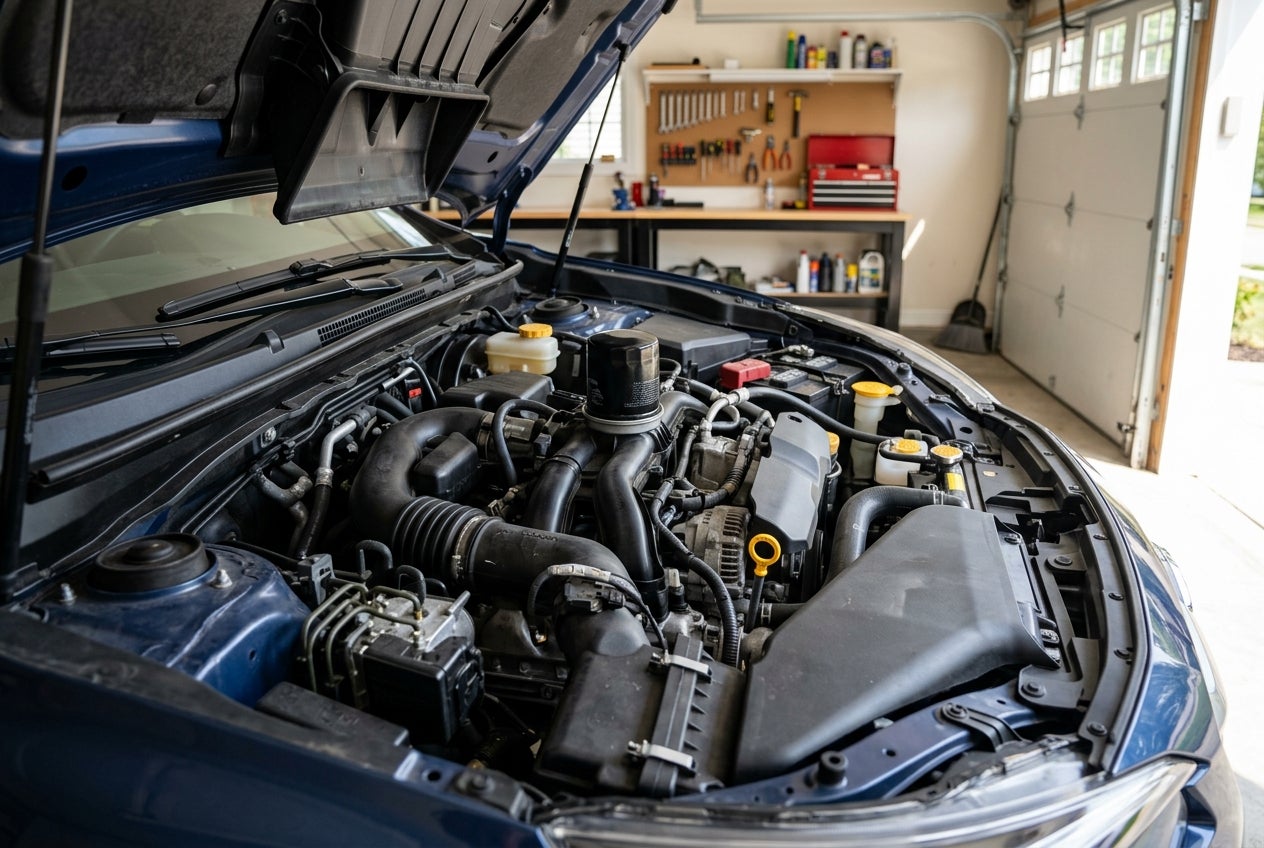
The cooling system is the primary defense mechanism for your Subaru. The Boxer engine's unique horizontal layout means that coolant flow must be precise to maintain even temperatures across all cylinders. If your coolant is old, its pH balance can shift, leading to internal corrosion. This is why we recommend checking both the level and the 'strength' of your coolant. Don't wait for the dashboard warning light; by then, the thermal stress on your head gaskets and seals has already begun. A quick inspection at Sunset Hills Subaru can identify micro-leaks that only appear when the system is under full summer pressure.

Maintaining Your Grip: Tire Pressure and Tread Depth for Summer Storms

Tires are often the most misunderstood component of summer prep. Many drivers think tires only need attention in the winter, but summer presents a different set of challenges. As the temperature rises, the air inside your tires expands. For every 10-degree increase in temperature, your tire pressure can increase by 1 to 2 PSI. Over-inflated tires lead to uneven wear and a smaller 'contact patch' with the road, reducing your Subaru's legendary handling capabilities.

More importantly, St. Louis is famous for sudden, violent summer downpours. When an inch of rain falls in twenty minutes, tread depth becomes a life-saving feature. If your tread is below 4/32 of an inch, your risk of hydroplaning increases exponentially. Your Subaru's Symmetrical All-Wheel Drive is incredible, but it cannot find grip on water if your tires are essentially bald. We recommend a professional rotation and balance every 6,000 miles to ensure even wear and maximum safety during Missouri's unpredictable weather patterns.
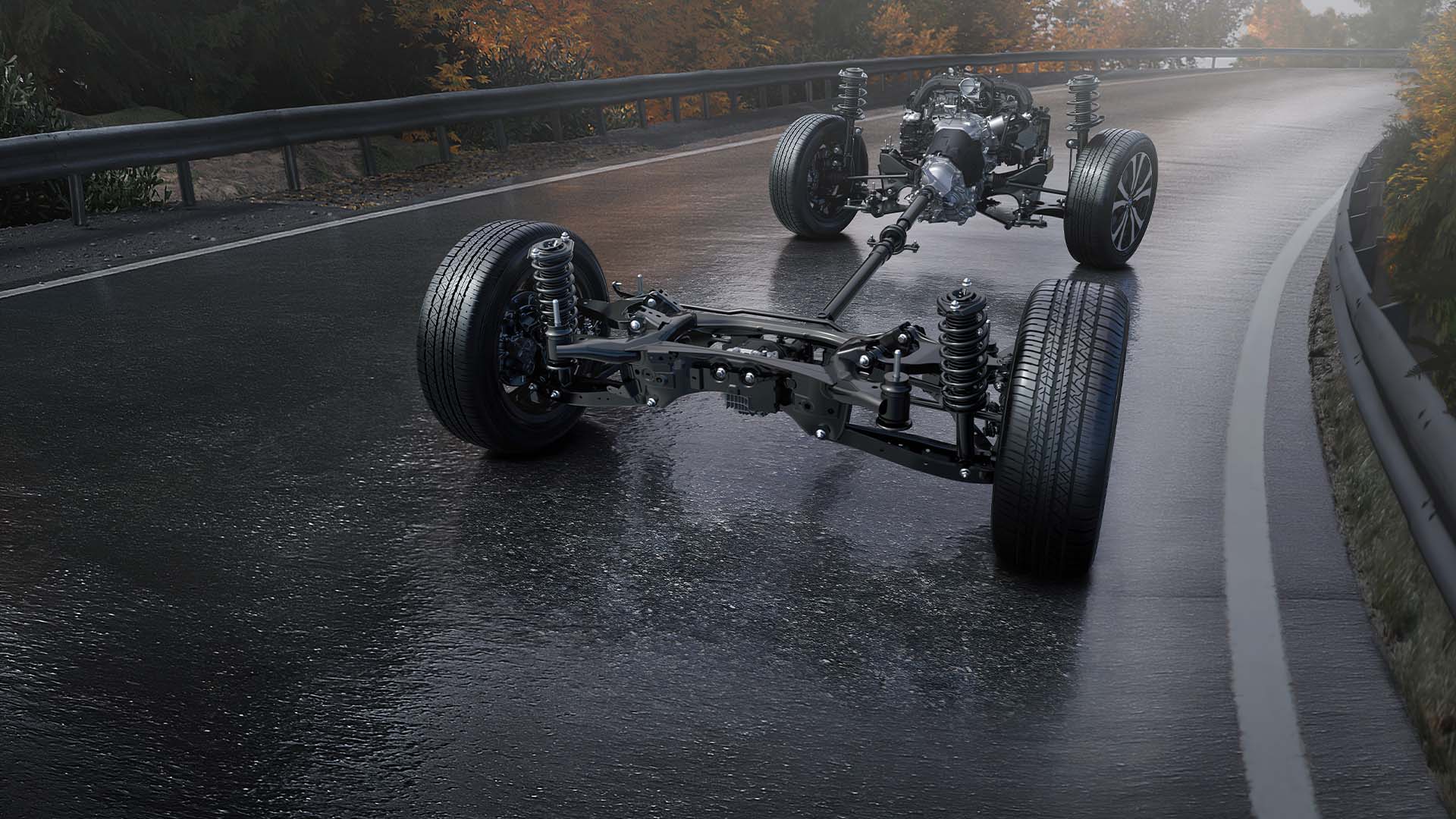
Car chassis and suspension on wet road.

Navigating Flash Floods with Symmetrical All-Wheel Drive

Flash flooding is a serious concern in the Sunset Hills area. When the storm drains are overwhelmed, your Subaru’s Symmetrical All-Wheel Drive (AWD) becomes your best friend. Unlike part-time AWD systems that wait for a wheel to slip before engaging, Subaru's system is always active, providing a constant baseline of traction. This proactive power distribution helps maintain stability when you hit a patch of standing water.

However, the AWD system relies on healthy differential fluid to function smoothly. Heat can cause differential fluid to break down and lose its lubricating properties. During your summer inspection, it's vital to have these fluids checked. If you've been driving through high water or mud, moisture can sometimes enter the differential housing, necessitating a fluid change. Keeping the AWD system responsive ensures that you can navigate the slickest St. Louis streets with confidence. Get your value trade today if you are looking to upgrade to a newer model with the latest X-MODE® technology.

The Silent Killer: Why Heat is Harder on Batteries Than Cold

Internal Corrosion

High heat accelerates the chemical reactions inside your battery, leading to internal corrosion of the lead plates. This damage is permanent and reduces the battery's ability to hold a charge.

Fluid Evaporation

Even 'maintenance-free' batteries contain liquid electrolytes. Extreme summer heat can cause this liquid to evaporate, leaving the plates exposed and causing the battery to fail prematurely.

Voltage Stress

The extra strain of running the AC on 'Max' and the cooling fans puts additional load on the alternator and battery. A weak battery will often give up on the hottest day of the year.

It is a common myth that winter is the hardest season for batteries. While cold weather makes it harder to start an engine, it is the summer heat that actually kills the battery. Most 'dead' batteries in December were actually damaged in July. At Sunset Hills Subaru, we use specialized diagnostic tools to check your battery's Cold Cranking Amps (CCA) and reserve capacity. If your battery is more than three years old, a summer health check is mandatory. We carry Genuine Subaru Batteries that are designed for the specific electrical loads of your vehicle's EyeSight® and Starlink systems.

Stay Cool: AC Performance and Cabin Air Filter Replacement
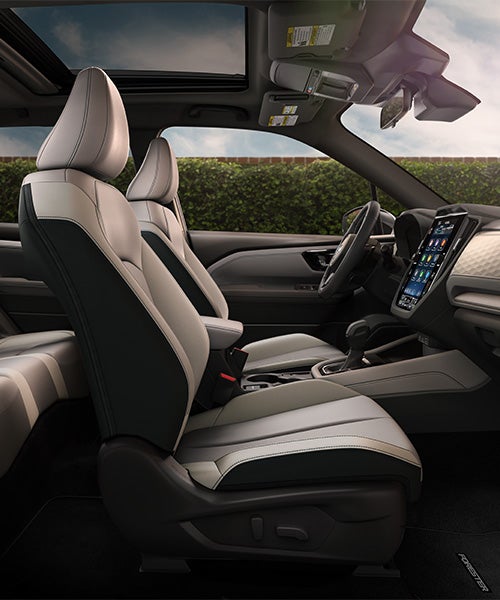
Interior view of a Subaru Forester with grey and black leather seats, a large touchscreen, and a sunroof.

There is nothing worse than getting into a car that has been sitting in a Sunset Hills parking lot for four hours, only to find the AC blowing lukewarm air. Your Subaru's air conditioning system is a closed loop, but over time, refrigerant can seep out of seals, and the compressor can lose efficiency. A professional AC performance test ensures that your system is reaching the target vent temperatures required to combat a Missouri heatwave.

Equally important is the cabin air filter. This often-overlooked component is responsible for filtering out the dust, soot, and heavy Missouri pollen that characterizes our summers. If the filter is clogged, your AC system has to work harder to push air through, which can lead to blower motor failure. Replacing your cabin filter with a Genuine Subaru part ensures that you are breathing clean air while maintaining maximum airflow. It's a simple, cost-effective way to improve your summer driving experience. Check out our Current Service and Parts Specials for deals on filter replacements.

The Essential Summer Fluid Checklist

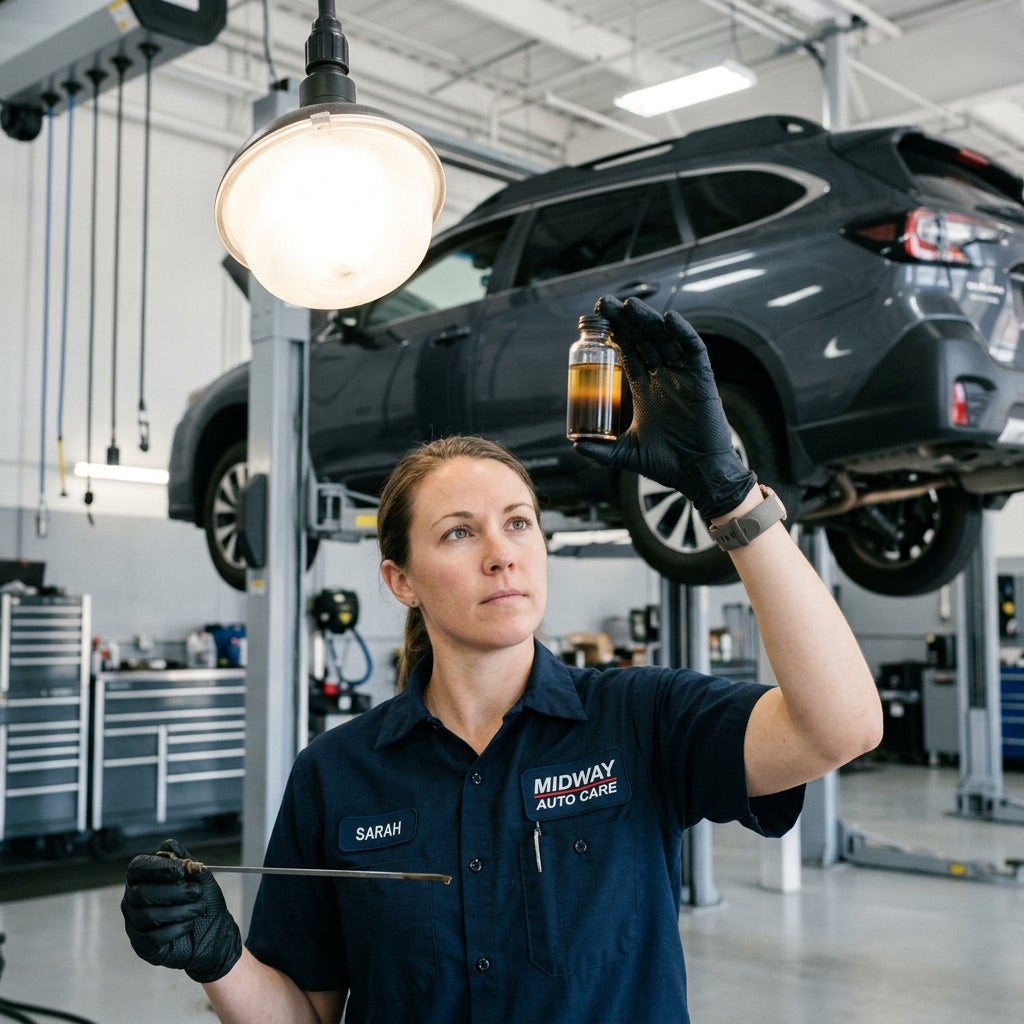
Fluids are the lifeblood of your Subaru, and their roles shift during the summer. Oil viscosity is critical; as engine temperatures rise, oil becomes thinner. If your oil is old, it may lose its ability to protect the Boxer engine's moving parts at high RPMs. Similarly, brake fluid is hygroscopic, meaning it absorbs moisture. In St. Louis's high humidity, brake fluid can become contaminated, leading to a 'spongy' pedal feel when you're braking on a hot afternoon.

Don't forget the small things, like windshield washer solvent. Summer brings bugs and road grime that can smear across your windshield, obscuring your view. A bug-rated solvent is much more effective than plain water. Our parts department has everything you need if you prefer the DIY route, or our technicians can handle the full flush and fill for you.

Fluid Type

Summer Check Requirement

Engine Oil

Check level/viscosity; heat thins oil faster.

Brake Fluid

Check for moisture contamination/boiling point.

Washer Solvent

Switch to bug-removing formula.

Diff Fluid

Ensure lubrication for AWD components.

Subaru Genuine Parts vs. Aftermarket: Protecting Your Investment
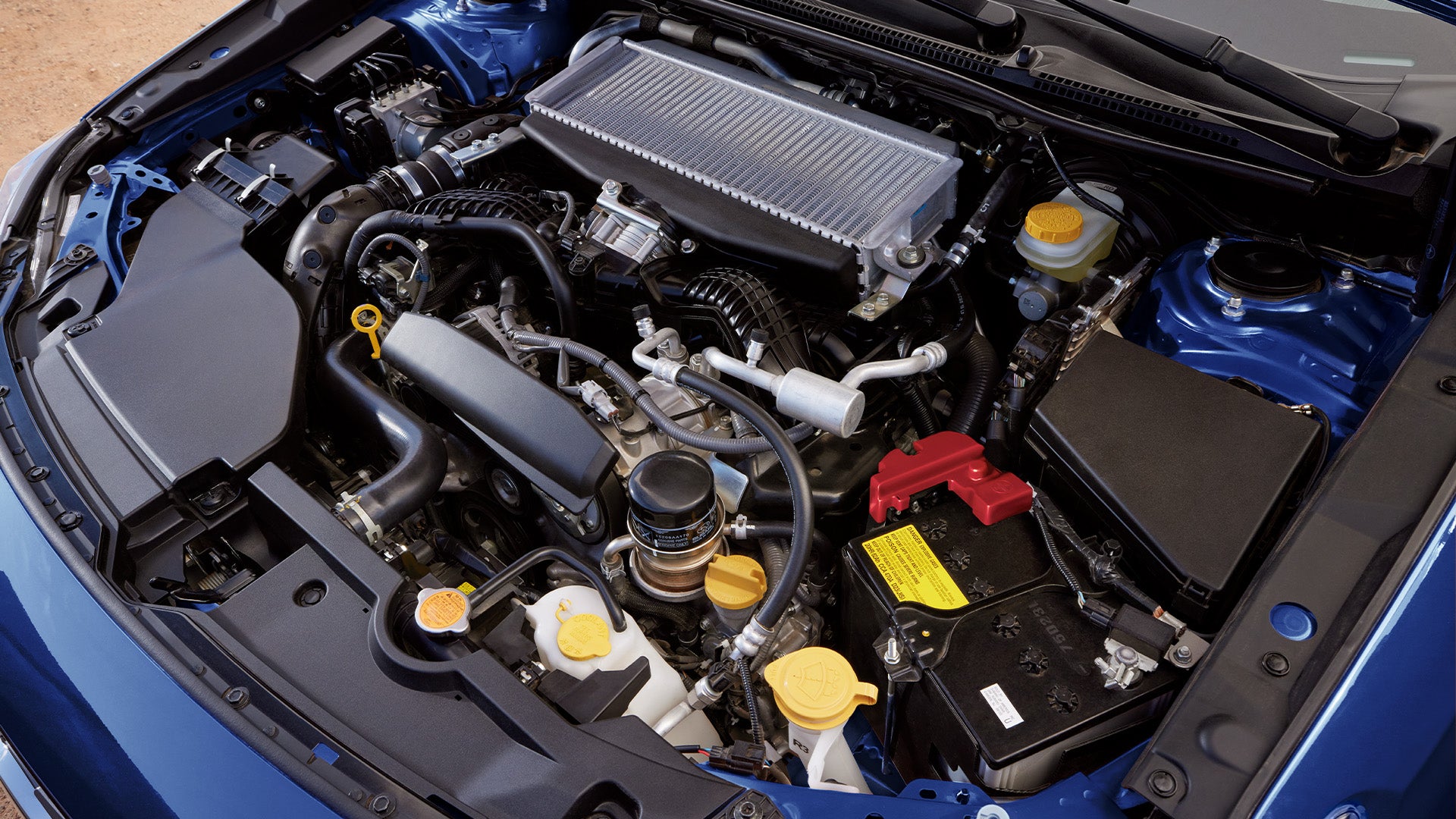
Close-up top view of a modern turbocharged car engine bay with blue exterior paint.

Precision Filtration: Genuine Subaru filters are designed with a specific bypass valve setting that matches the Boxer engine's oil pressure requirements.
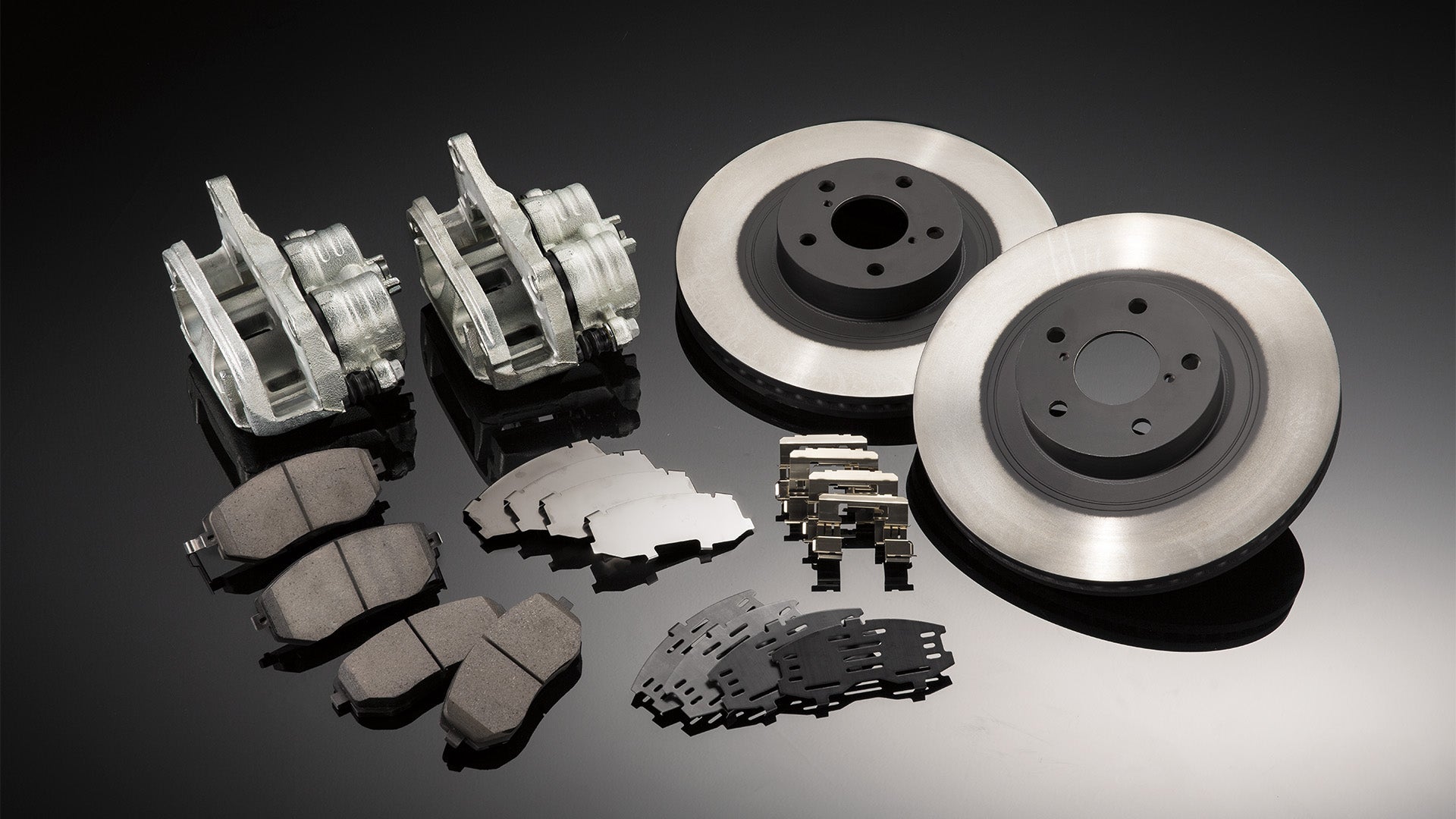
CX Parts

Heat Management: OEM brake pads and rotors are tested to withstand the heat cycles typical of stop-and-go St. Louis traffic without fading.
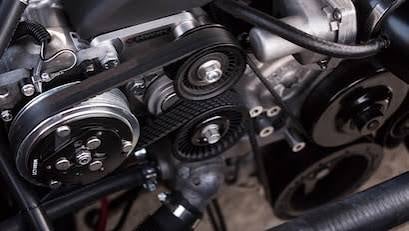
Material Quality: Our belts and hoses use high-grade EPDM rubber that resists the cracking and stretching caused by triple-digit Missouri heat.

From Forest Park to the Ozarks: Pre-Trip Inspections for Road Trips
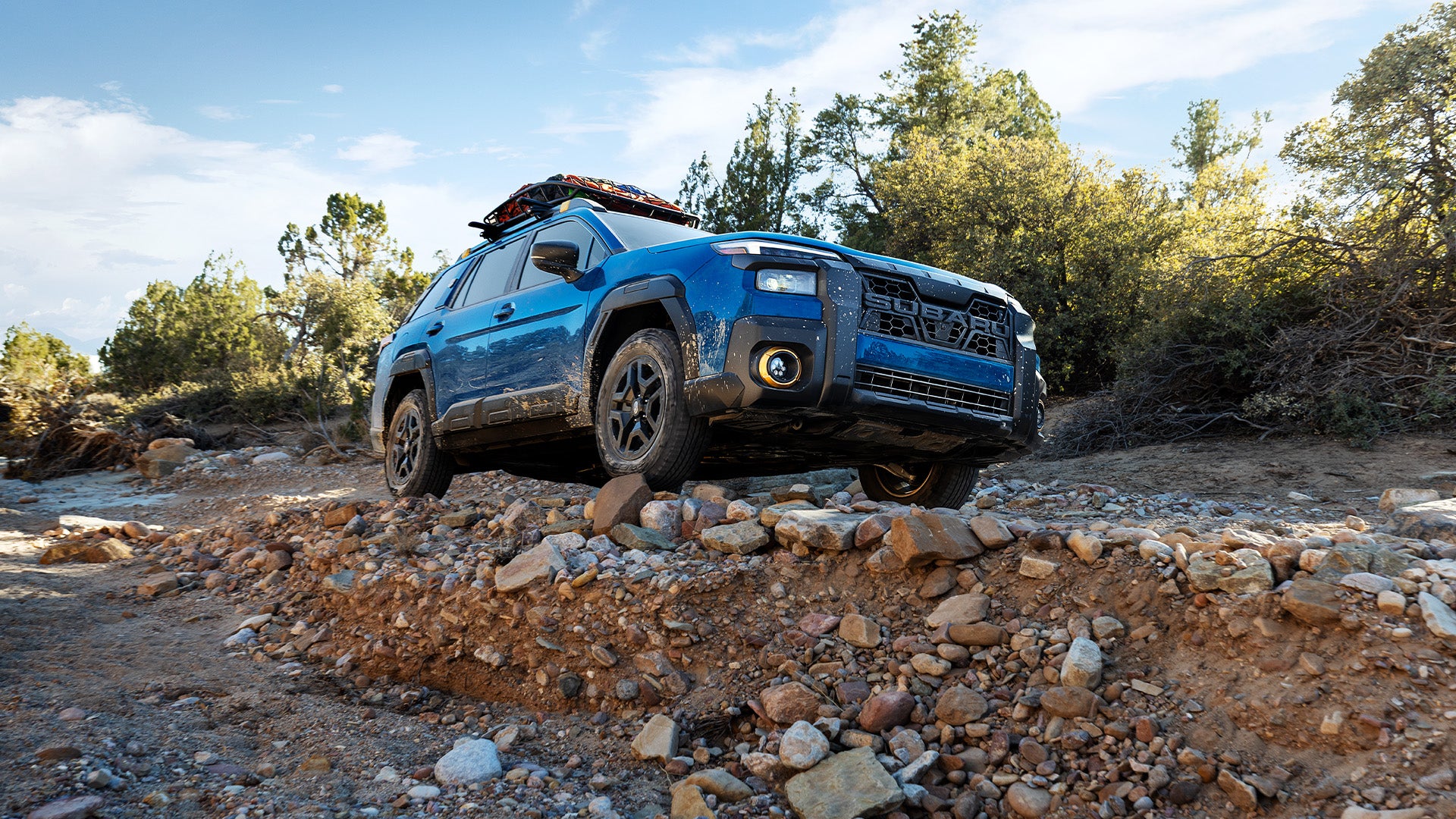
Blue Subaru Forester Wilderness off-roading on a steep, rocky trail under a bright blue sky.

Summer in Missouri is made for road trips. Whether you're planning a day trip to Forest Park or a week-long excursion to the Ozarks, your Subaru is the ultimate vessel. However, long highway stretches at high speeds generate significant heat. Before you load up the roof rack and fill the cargo area, a comprehensive inspection is your best insurance policy against trouble.

Check your exterior lighting—daylight is long, but summer storms can darken the sky in seconds. Inspect your wiper blades; the intense sun can dry out the rubber, leaving you with streaks when you need clarity most. Finally, ensure your emergency kit is stocked. This should include water, a first-aid kit, a flashlight, and jumper cables. If you need more space for your summer gear, explore our New Subaru Outback Inventory for models with integrated roof rails and massive cargo capacity.

Precision Safety: Maintaining EyeSight® Driver Assist Technology

Subaru EyeSight® is one of the most advanced safety systems on the road, but it depends on clear 'vision.' Summer glare can be intense, especially during the morning and evening commutes on I-270. If your windshield is covered in a film of Missouri dust or bug splatter, the dual cameras can struggle to identify lane markings or vehicles ahead.

Keeping your windshield clean—both inside and out—is critical. Furthermore, high heat can sometimes affect the calibration of electronic sensors. During a summer service visit at Sunset Hills Subaru, we can ensure that your EyeSight® software is up to date and that the cameras have a clear field of view. Safety shouldn't be a guessing game. Schedule Service and Diagnostics to keep your safety tech in peak condition.
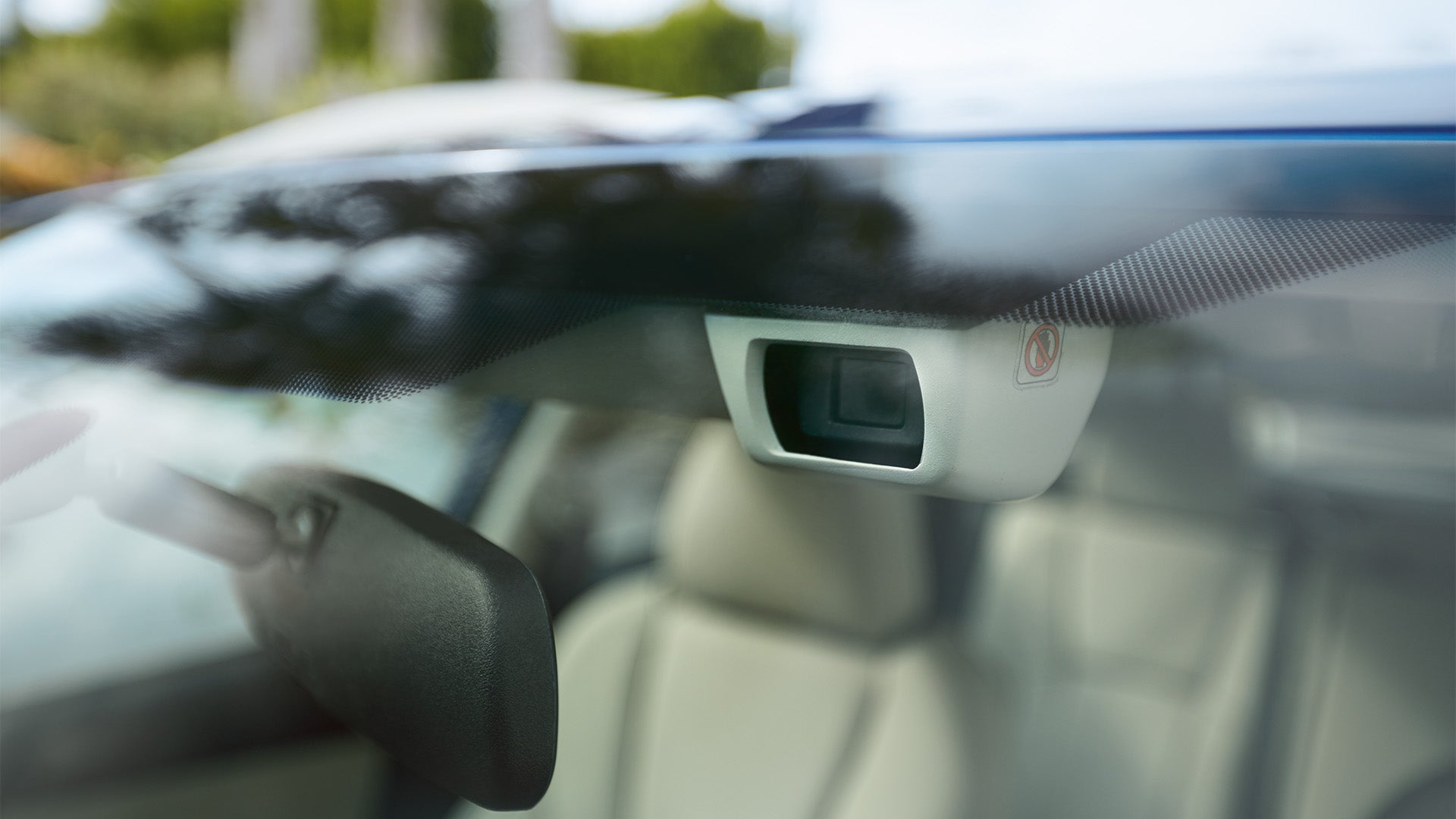
Close-up of a forward-facing safety camera mounted behind a car windshield.

Why Sunset Hills Subaru is Your Local Summer Service Partner

Factory-Trained Technicians

Our team lives and breathes Subaru. They undergo rigorous training to understand every nuance of the Boxer engine and AWD system, ensuring your car is handled by experts.

Specialized Tools

We use Subaru-specific diagnostic equipment that generic shops simply don't have. This allows us to find and fix issues faster and more accurately.

Community Commitment

We are proud to serve the Sunset Hills and greater St. Louis community. We treat every vehicle as if it were our own, prioritizing your safety and satisfaction.

Conveniently located at 10100 Watson Rd, Sunset Hills, MO 63127, we are your one-stop shop for everything Subaru. Get Directions to Sunset Hills Subaru or Call us at (314) 476-9638 to speak with a service advisor.

Maximize Your Value: Trade-Ins and Upgrades This Season

The St. Louis used car market remains incredibly strong, especially for well-maintained Subarus. If you've been diligent with your summer and winter prep, your vehicle's value is likely higher than you think. Summer is a fantastic time to consider an upgrade to a newer model with more advanced safety features, better fuel economy, and the latest creature comforts like ventilated seats—very helpful during summer months!

Whether you're driving a high-mileage Forester or a late-model Crosstrek, we want your trade. Use our online tool to see what your vehicle is worth in today's market. If you're ready for something new, browse our New Subaru Inventory or find a great value in our Used Vehicle Inventory. We also offer easy financing options to help you get behind the wheel faster; you can get approved for financing online before you even visit the showroom.

Hassle-Free Maintenance: Scheduling Your Summer Service Appointment

We know your time is valuable. That's why we've streamlined our service process to be as convenient as possible. You can schedule your summer inspection online in under two minutes. Simply choose your preferred date and time, let us know what your Subaru needs, and we'll handle the rest. When you arrive at Sunset Hills Subaru, you'll be greeted by a professional team ready to give your vehicle the attention it deserves.

During your appointment, we perform a multi-point inspection that covers all the critical areas discussed in this guide. We'll check your fluids, battery health, tire condition, and AC performance. We'll provide you with a detailed report so you know exactly what's going on with your car. No surprises, no pressure—just honest, expert advice to keep you moving safely through the St. Louis summer.

Step

What to Expect

1. Online Booking

Select your time and services in seconds.

2. Arrival

Quick check-in with a dedicated service advisor.

3. Inspection

Comprehensive multi-point health check of your Subaru.

Don’t Let the Heat Stop You: Schedule Your Summer Inspection Today

AI generated: A photorealistic Subaru owner receiving a favorable trade-in appraisal at a professional dealership. Their meticulously maintained Subaru Outback shines under bright summer sunlight while a dealership specialist presents positive valuation information. The vehicle appears clean, cared for, and highly desirable. The atmosphere conveys confidence, transparency, and excitement about upgrading. Professional automotive advertising photography, realistic emotions, premium dealership environment, ultra-detailed vehicle reflections, cinematic depth of field, 8K resolution.

Summer in St. Louis should be about making memories, not worrying about your car. By taking the time for a professional summer prep session at Sunset Hills Subaru, you are investing in peace of mind. Our team is ready to ensure your Symmetrical All-Wheel Drive, Boxer engine, and EyeSight® technology are all performing at their peak. Don't wait until the first 100-degree day—get ahead of the heat and enjoy the season to its fullest.

Ready to get started? Browse our Current New Car Specials if you're thinking of a new ride, or simply click the button below to book your service. We look forward to helping you stay cool and safe on the road this summer!
Posted in:

Related Posts

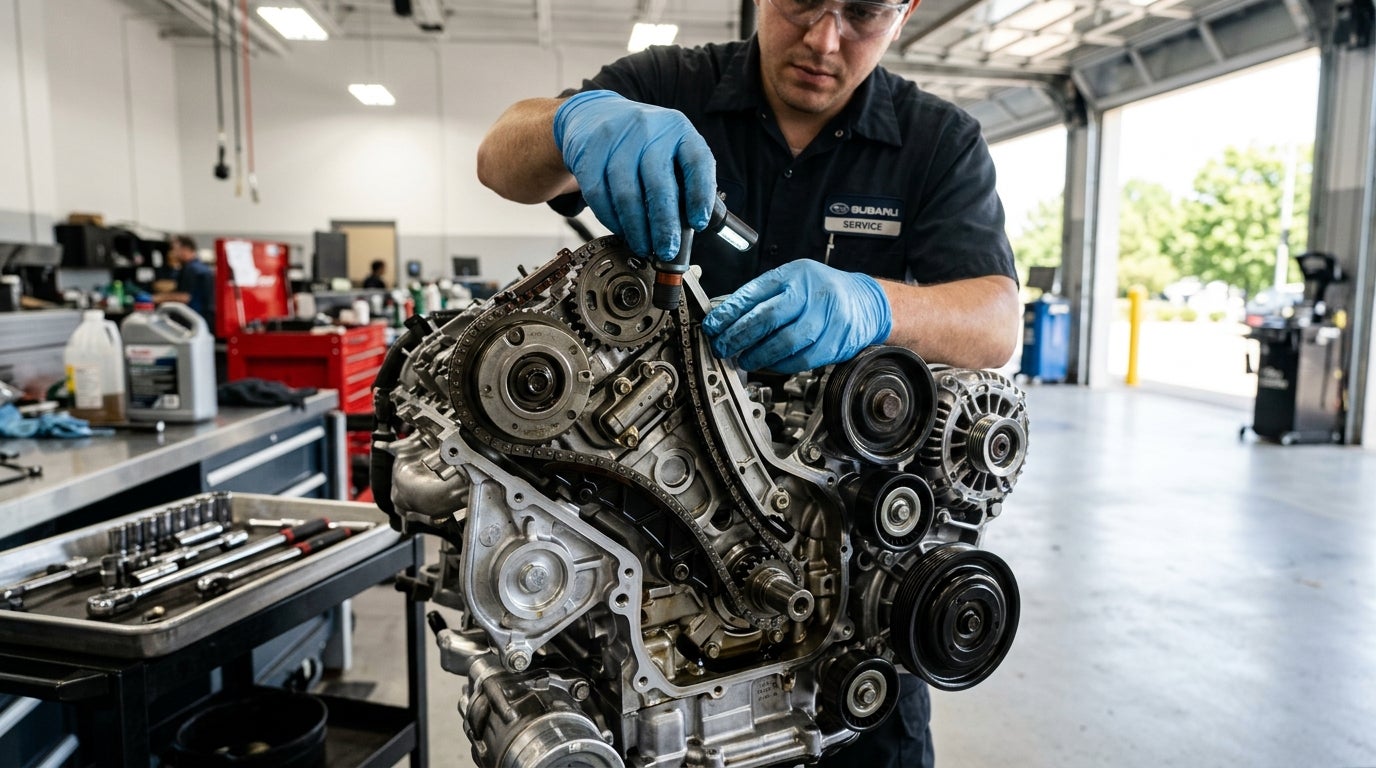
A Subaru service technician inspecting an exposed car engine timing chain in an auto repair shop. (Representative image for illustration purposes only. Actual vehicle may vary based on trim and configuration.)

Subaru Timing Belt vs. Timing Chain: The Direct Answer & Replacement Intervals

Subaru Timing Belt vs. Timing Chain: The Direct Answer & Replacement Intervals If you drive a Subaru around Sunset Hills or Ladue, knowing whether your engine uses a timing belt or a timing chain is one of the single most critical factors in maintaining long-term engine reliability. Here is the straightforward answer straight from our factory workshop: Subaru rubber timing belts require scheduled replacement every 105,000 miles or 7 years (whichever occurs first). On the other hand, Subaru metal timing chains are engineered to last the full lifecycle of the vehicle engine without scheduled replacement, provided regular engine oil changes are performed. more To break down precisely what this means for your vehicle, we sat down for an in-depth interview with Kyle Marcum, Master Technician at Sunset Hills Subaru. With over 7 years of hands-on experience diagnosing, servicing, and rebuilding horizontal Boxer engines—from classic EJ series powerplants to modern FB, FA, and EZ configurations—Kyle shares his expert technical insights on timing maintenance, warning signs, and prevention strategies for Suburban St. Louis drivers. Schedule Timing Service & Diagnostics Meet Master Tech Kyle Marcum: Expert Subaru Engine Care in Sunset Hills Interviewer: Kyle, thank you for joining us today. You've been working on Subaru Boxer engines here in Sunset Hills for 7 years. To kick things off, why is the timing system such a passionate topic among Subaru owners? Kyle Marcum: Thanks for having me. The Subaru Boxer engine is unique because the cylinders lay horizontally opposed. That means the camshafts on each cylinder head are separated by a significant distance across the engine bay. Whether your Boxer relies on a long, reinforced rubber timing belt or a dual roller timing chain, that component is responsible for perfectly synchronizing the crankshaft with the overhead camshafts. If that synchronization slips even by a few teeth, the engine stops running properly—or worse, sustains severe internal damage. Understanding whether you have a belt or chain dictates your entire maintenance budget over 100,000 miles. Drivers commuting around Sunset Hills, Kirkwood, and Ladue often ask us if their vehicle needs immediate timing belt service. When customers bring their vehicles to our dealership, whether they are checking out our New Subaru Inventory or coming in for routine maintenance, clarifying their engine family gives them total clarity and complete confidence. Q: Which Subaru Models Have a Timing Belt Versus a Timing Chain? Interviewer: Kyle, Subaru transitioned many of its engines from timing belts to timing chains over the past decade and a half. Can you break down which models and model years feature belts versus chains? Belt-Driven Subaru Models (EJ Engine Family) Kyle Marcum: The legacy EJ engine architecture relies on a rubber composite timing belt with heavy internal tensile cords. Models requiring belt replacement at 105k miles include: • Outback & Legacy: 2.5L 4-cylinder models up through 2012. • Forester: 2.5L 4-cylinder models up through 2010. • Impreza: 2.5L non-turbo models up through 2011. • WRX & WRX STI: All EJ25-powered performance models up through 2021 STI. Chain-Driven Subaru Models (FB / FA / EZ Families) Beginning around 2011, Subaru introduced modern FB and FA series engines equipped with maintenance-free metal timing chains: • Forester: 2011+ (FB25 / 1.8T / 2.5L DI) • Impreza: 2012+ (FB20) • Outback & Legacy: 2013+ (FB25) & 3.6R 6-cyl (EZ36) • Crosstrek: All years (2013+) (FB20 / FB25) • Ascent, WRX (2015+), BRZ: All modern FA20/FA24/FA24T engines. Key Differences & Model Quick-Reference If you drive a newer model like those found in our New Subaru Forester Inventory or New Subaru Outback Inventory, your vehicle uses a timing chain designed for the life of the motor. However, if you are shopping pre-owned or maintaining a late 2000s model, keeping track of that 105,000-mile belt deadline is vital to avoid mechanical failure. Q: What Happens When a Timing Belt Snaps on an Interference Subaru Engine? Interviewer: Kyle, we often hear the term 'interference engine' when discussing timing belts. What does that mean in simple terms, and what actually happens inside a Subaru engine if a timing belt breaks while driving down Interstate 44? Kyle Marcum: Virtually all modern Subaru engines—both belt and chain driven—are interference design engines. In an interference engine, the physical space where the intake and exhaust valves open overlaps with the space the piston occupies at top-dead-center. The timing belt acts like a precision conductor, ensuring the valves move out of the way before the piston travels upward. If a timing belt snaps or strips its teeth while the engine is running at 3,000 RPM, the camshafts instantly freeze while the crankshaft keeps spinning. The pistons smash into the open valves at high velocity. The result is bent intake and exhaust valves, damaged piston crowns, cracked valve guides, and often complete cylinder head destruction. Instead of a routine belt service, you are looking at thousands of dollars in engine rebuilding or full engine replacement. Schedule Service and Diagnostics Q: What Does a Bad Timing Belt Sound Like, and Are Timing Chains Louder? Interviewer: Drivers often ask if they can hear a failing timing belt or chain before catastrophic failure happens. What acoustic warning signs should owners listen for? Timing Belt Acoustic Symptoms Kyle Marcum: Timing belts themselves are quiet because they are rubber. However, a failing hydraulic belt tensioner or worn idler pulley produces distinct sounds: • Ticking or Rapping: A failed tensioner piston tapping against the engine block behind the timing cover. • High-Pitched Squeak or Grinding: Seizing bearing in the cogged or smooth idler pulleys. • Slapping Sound: Belt slack hitting the plastic timing cover at cold startup. Timing Chain Acoustic Symptoms Timing chains emit a subtle mechanical hum under normal operation. However, excessive noise indicates maintenance issues: • Metallic Rattling on Cold Start: Oil starvation or low engine oil pressure delaying hydraulic chain tensioner activation. • Continuous Marbles-in-a-Can Noise: Stretched chain links or worn composite chain guides due to neglected oil change intervals. Kyle's Expert Advice Never ignore unusual noises coming from the front lower section of your engine. For chain engines, keeping fresh oil at proper levels is the single most crucial factor. If you notice strange noises on your vehicle, visit our certified technicians or Call us at (314) 476-9638 to schedule an immediate inspection. Q: What Should You Check Before Buying a Used Subaru with a Timing Belt? Interviewer: Many pre-owned vehicle shoppers in St. Louis and Sunset Hills look at older Subaru models known for their longevity. What pre-purchase steps should they take regarding the timing system? Kyle Marcum: If you are browsing our Used Vehicle Inventory or shopping private sales, check these critical items: 1. Service Records: Verify documented proof that the timing belt, water pump, hydraulic tensioner, and idler pulleys were replaced at or before 105,000 miles (or 7 years). 2. Timing Cover Sticker: Reputable shops place a date and mileage sticker on top of the plastic timing belt cover upon replacement. 3. Visual Inspection: Look for front camshaft or crankshaft oil leaks that could saturate and degrade a rubber belt prematurely. 4. Trade Value Evaluation: If buying a replacement vehicle, consider trading in your vehicle with our tool to Get your value trade toward a certified model. Q: What Is the Most Difficult Step in DIY Timing Belt Replacement, and What Special Tools Are Needed? Interviewer: Modern automotive enthusiasts sometimes tackle maintenance at home. Is replacing a Subaru timing belt a viable DIY project, and what makes it challenging? Kyle Marcum: Replacing a Subaru timing belt is technically demanding due to the horizontal Boxer layout. Here are the toughest steps and special tool requirements: • Crank Pulley Bolt Torque: Breaking free the factory crank pulley bolt requires over 130+ ft-lbs of breakaway torque. You need a dedicated Subaru Crank Pulley Holder Tool to prevent the engine from rotating while breaking the bolt loose. • Camshaft Alignment (DOHC Models): Dual Overhead Cam (DOHC) engines like the EJ255/EJ257 have four separate camshaft pulleys. Under valve spring tension, the left-hand camshafts will snap violently out of position if not locked in place with a specialized Cam Lock Tool. • Precision Tooth Alignment: Lining up the hash marks on the timing belt with the notch marks on the crank sprocket and four cam gears leaves zero room for error. A single tooth misalignment causes misfires or engine damage. • Genuine OEM Components: Some aftermarket timing kits often suffer early hydraulic tensioner failures. We always recommend genuine factory parts from our parts center to Find Subaru Parts designed for exact OEM tolerances. Order OEM Subaru Timing Parts Q: How Long Does It Take an Experienced Mechanic to Replace a Subaru Timing Belt? Interviewer: When a customer schedules a timing belt service at Sunset Hills Subaru, how long is their vehicle typically in the service bay, and what extra parts are serviced simultaneously? Kyle Marcum: In a professional dealership environment, a full timing belt replacement typically takes 3 to 5 hours of labor depending on whether it is a Single Overhead Cam (SOHC) or Dual Overhead Cam (DOHC) turbo configuration. Crucially, replacing only the rubber belt is a mistake. To do the job right and prevent duplicate labor charges later, certified technicians install a complete timing service kit including: • New Water Pump & Gasket (driven directly by the timing belt) • New Hydraulic Belt Tensioner Assembly • New Cogged & Smooth Idler Pulleys • Fresh Engine Coolant & Thermostat • Inspection of Front Camshaft & Crankshaft Oil Seals. Q: How Do I Find a Qualified Mechanic in Sunset Hills, MO, and Does Warranty Cover Timing Service? Interviewer: What should local St. Louis drivers know about technician qualifications and warranty coverage when scheduling service? Factory-Trained Certification Kyle Marcum: Always choose technicians who complete specialized Subaru Academy training. Horizontal Boxer engines require precise torque sequences and tool knowledge that general repair shops may not possess. Routine Maintenance vs. Warranty Routine 105,000-mile timing belt replacement is considered wear-and-tear maintenance and is not covered by factory warranties. However, if a timing chain component fails under factory or Certified Pre-Owned (CPO) Powertrain warranty, it is typically covered—provided service records confirm scheduled oil changes. Local Dealership Advantage Maintaining clear service records at an authorized center protects your vehicle's warranty status and resale value. Check our Current Service and Parts Information for current seasonal service offers. Q: What Questions Should You Ask a Mechanic Before Approving a Subaru Timing Replacement? Interviewer: Before a vehicle owner signs a repair order, what key questions should they ask their service advisor? Kyle Marcum: I recommend asking these four essential questions: 1. Are genuine OEM Subaru parts being installed? 2. Does the estimate include replacing the water pump, tensioner, and all idler pulleys? 3. Will camshaft and crankshaft oil seals be inspected and replaced if leaking? 4. What warranty backs the parts and labor for this repair? If you are considering upgrading your vehicle or exploring options, you can also explore our Get approved for financing options or check Current New Car Inventory. At Sunset Hills Subaru, we provide transparent line-item estimates including genuine OEM components, factory coolant replacement, and full parts and labor warranty protection. View Current Service Specials Key Takeaways: Maintaining Your Subaru Timing System in Suburban St. Louis Timing Belt Rule Replace rubber timing belts every 105,000 miles or 7 years. Replace the water pump, tensioner, and idlers at the same time to protect your interference engine. Timing Chain Care Timing chains are built for engine life but require clean engine oil. Maintain regular oil change intervals to keep hydraulic chain tensioners functioning properly. Expert Support Trust factory-certified Master Techs like Kyle Marcum at Sunset Hills Subaru for expert diagnostic care, genuine OEM parts, and complete confidence on the road. Explore our full range of new Subaru vehicles: New Subaru Crosstrek Inventory | New Subaru Ascent Inventory | New Subaru Impreza Inventory | New Subaru WRX Inventory | New Subaru Legacy Inventory | New Subaru BRZ Inventory | New Subaru Solterra Inventory Schedule Your Subaru Timing Belt or Chain Inspection at Sunset Hills Subaru Don't leave your engine's reliability to chance. Whether your Subaru is due for its 105,000-mile timing belt replacement or you want our factory-trained Master Technicians to inspect your timing chain system, Sunset Hills Subaru is here to serve drivers across Sunset Hills, Ladue, Kirkwood, and the entire St. Louis area. Visit our state-of-the-art service center at 10100 Watson Rd, Sunset Hills, MO 63127 or contact our service advisors directly by phone. Get Directions to Sunset Hills Subaru or Call us at (314) 476-9638 today. Schedule Service Appointment Value Your Trade-In Title Tags Subaru Timing Maintenance in Sunset Hills MO | Sunset Hills Subaru Meta Description Keywords Open Graph Twitter Card Canonical Article Metadata Geographic Targeting Title Tags Subaru Timing Maintenance in Sunset Hills MO | Sunset Hills Subaru Meta Description Keywords Open Graph Twitter Card Canonical Article Metadata Geographic Targeting

Olive green Subaru Outback Wilderness driving through a deep, muddy dirt road surrounded by dense green forest. (Representative image for illustration purposes only. Actual vehicle may vary based on trim and configuration.)

How Dual-Function X-MODE Optimizes Traction on Rocky and Muddy Park Trails

Navigating Missouri's unpaved backcountry—from the limestone bluffs of Castlewood State Park to the muddy floodplain trails along the Meramec River—demands far more from an all-wheel-drive system than standard wet-asphalt commuting. Subaru's Dual-Function X-MODE is an advanced, software-integrated traction management system engineered specifically to overcome the physical limits of traditional all-wheel drive when pavement turns into loose rock, rutted dirt, and deep river mud. more At the core of Dual-Function X-MODE is a total remapping of four key vehicle systems: engine throttle responsiveness, the Symmetrical All-Wheel Drive electronically controlled transfer clutch, transmission gear reduction logic within the Lineartronic CVT, and Vehicle Dynamics Control (VDC) wheel-slip management. In standard driving, Subaru AWD continuously balances torque split for fuel efficiency and smooth cornering. However, when a tire loses grip on a slippery rock ledge or sinks into river silt, standard traction control typically cuts engine power to prevent wheel spin—a response that can completely stall forward momentum precisely when you need momentum most. When engaged via the center console control knob or touchscreen interface, Dual-Function X-MODE alters these parameters instantly. Engine throttle sensitivity is calibrated to deliver ultra-precise low-rpm torque output, preventing accidental power spikes that cause tires to dig deeper into soft ground. Simultaneously, the hydraulic multi-plate transfer clutch increases locking pressure by up to 25%, locking the front and rear axles into a firm 50/50 torque split. By combining this proactive axle locking with targeted individual wheel braking via the VDC system, Dual-Function X-MODE acts as an electronic differential lock, redirecting engine power away from airborne or slipping wheels directly to the tires with firm traction. Understanding 'Snow/Dirt' vs. 'Deep Snow/Mud' Modes on Unpaved Terrain Snow/Dirt Mode: Maximum Grip & Control The 'Snow/Dirt' setting is calibrated for semi-firm surfaces where tire tread can easily bite into the ground if wheel spin is kept to a minimum. Ideal for packed dirt trails, dry riverbed gravel, embedded limestone rock staircases, and hard-packed forest roads, this mode maintains active VDC intervention. If a tire begins to slip while climbing a rocky ledge, the system immediately applies brake force to that specific wheel while maintaining smooth throttle delivery to the resting tires. This prevents rock throw, protects delicate trail surfaces, and provides predictable control. Key Characteristics of Snow/Dirt Mode: • Active VDC traction control prevents wheel spin • Smooth, linear throttle response for low-speed crawling • Early Hill Descent Control engagement under 12 mph • Ideal for gravel access roads and rocky inclines Deep Snow/Mud Mode: Unrestricted Momentum In stark contrast, 'Deep Snow/Mud' mode is designed for soft, fluid surfaces where maintaining momentum requires tire tread self-cleaning. When driving through thick riverbank silt or waterlogged clay along the Meramec, mud quickly fills the tread grooves of standard tires, turning them into slick racing slicks. Deep Snow/Mud mode intentionally disables VDC wheel-slip torque suppression and allows controlled wheel spin. As the wheels spin at higher RPMs, centrifugal force flings packed mud out of the tire tread, allowing the rubber edges to dig deep for fresh traction beneath the slurry. Key Characteristics of Deep Snow/Mud Mode: • Deactivates engine torque cuts from traction control • Permits high-RPM wheel spin to clean mud from tire treads • Holds lower CVT gear ratios for high torque availability • Essential for deep mud ruts, wet riverbanks, and loose sand Navigating Castlewood State Park and Meramec River Trails in Variable Weather Castlewood Bluffs The steep access routes and gravel staging areas around Castlewood State Park present sharp elevation changes over exposed limestone shelf rock. High-torque low-gear management prevents rollback and keeps vehicle balance centered. Meramec River Basins Low-lying trailheads along the Meramec River quickly accumulate saturated silt and clay after late-summer thunderstorms. Deep Snow/Mud mode ensures continuous wheel rotation to cut through topsoil sludge down to stable ground. Hill Descent Control Integrated automatically into X-MODE, Hill Descent Control manages ABS braking on steep downhill trail drops. Drivers can focus entirely on steering without lockup risks on wet gravel or exposed tree roots. Local outdoor enthusiasts in St. Louis County know that weather conditions near the Meramec River basin can transform a dry dirt trail into a treacherous mud passage in under twenty minutes. When descending steep 15-degree grades near the bluffs, human brake modulation often causes wheel lockup, turning tires into sled runners across slick wet clay. Hill Descent Control reads wheel speed sensors continuously, applying hydraulic brake pressure to individual wheels at speeds under 12 mph. This allows you to steer around obstacle hazards and exposed tree roots with total confidence. What the Wilderness Package on the 2024 Subaru Forester Adds for Rugged Trailheads For outdoor adventurers seeking to venture beyond standard park boundaries, the 2024 Subaru Forester Wilderness elevates trail capability with factory-engineered hardware upgrades. Ground clearance jumps from the standard 8.7 inches to an impressive 9.2 inches thanks to longer coil springs and re-tuned dampers. This extra half-inch provides critical clearance over jutting limestone shelf rock and deep trail ruts along riverbank access routes. Mechanically, the Forester Wilderness features revised final drive gearing (4.11:1 ratio vs 3.70:1 standard), delivering improved low-end torque climbing power for crawling up steep grades. Underbody protection includes a standard front aluminum skid plate, protecting critical engine components from boulder impacts. Inside, water-resistant StarTex® synthetic leather seating makes clearing away wet mud and dog hair effortless after an afternoon on the trail. Forester Wilderness Trail Specs: • Ground Clearance: 9.2 inches • Approach Angle: 23.5 degrees (vs 20.0 standard) • Departure Angle: 25.4 degrees (vs 24.6 standard) • Breakover Angle: 21.0 degrees (vs 19.6 standard) • Towing Capacity: 3,000 lbs (with engine oil cooler) • Roof Rack Load: 800 lbs static / 220 lbs dynamic Interested in exploring rugged capability for your local excursions? You can browse our New Subaru Forester Inventory online today. Explore New Subaru Forester Models 2024 Subaru Outback Exterior Dimensions for Tight Trailhead Parking Areas Trailhead staging areas near popular St. Louis County parks—such as Castlewood's lower river parking lots or Chubb Trail access points—are notoriously cramped, featuring narrow entry turnarounds, tight tree lines, and low-hanging branches. Knowing your vehicle's physical footprint ensures stress-free parking and maneuvering in tight quarters. Dimension Specification 2024 Subaru Outback Standard/Onyx 2024 Subaru Outback Wilderness Overall Length 191.1 inches 191.1 inches Overall Width (with mirrors) 74.2 inches (82.0 with mirrors) 74.2 inches (82.0 with mirrors) Overall Height (with roof rails) 66.1 inches 66.9 inches Wheelbase 108.1 inches 108.1 inches Turning Circle Diameter 38.0 feet (19.0 ft radius) 38.0 feet (19.0 ft radius) Ground Clearance 8.7 inches 9.5 inches Despite its expansive interior cargo volume of up to 76 cubic feet, the Outback maintains a tight 38-foot turning circle. This agility allows drivers to perform swift u-turns on narrow dead-end park roads without running off into hidden shoulder ditches. Furthermore, the integrated swing-out crossbars on standard Outback roof rails stow flat when not carrying kayaks or cargo boxes, keeping overhead roof clearance low under low tree canopy. Preparing Your Subaru Brakes and Engine Coolant for Late Summer St. Louis Heat Brake System Heat Management Late August in St. Louis frequently brings temperatures topping 90°F with intense humidity. When descending steep gravel roads near Castlewood, continuous light brake application transfers intense thermal energy to brake rotors and friction pads. If brake pads are worn below 4mm or brake fluid has absorbed atmospheric moisture over time, thermal fade can significantly increase stopping distances. Prior to any late-summer outdoor trip, inspect pad thickness, rotor surface glaze, and fluid boiling point. Replacing aging brake fluid prevents pedal spottiness under heavy descent loads. Cooling System Health Under Load Low-speed trail crawling with Dual-Function X-MODE active generates high heat in both the engine and CVT transmission because airflow through the front radiator grille is drastically reduced compared to highway speeds. Standard cooling systems must rely heavily on electric radiator fans and coolant fluid integrity to dissipate heat. Ensure your coolant reservoir is filled to the full mark with genuine Subaru Super Coolant, which offers extended protection against boiling up to 265°F under pressure. Inspect upper and lower radiator hoses for softness or cracking. Managing Summer Tire Pressure and Wheel Alignments Before Highway and Trail Driving Thermal Expansion Ambient summer heat causes tire air pressure to expand by roughly 1 PSI for every 10°F rise in temperature. Setting cold PSI correctly before heading out prevents highway over-inflation. X-MODE Calibration Subaru's Symmetrical AWD and X-MODE require matching tire rolling circumferences. Uneven tire pressure tricks wheel-speed sensors, leading to premature AWD clutch wear. Laser Alignment Impacts with rocky ledges or deep trail potholes throw off suspension camber and toe angles. Precision four-wheel laser alignments eliminate highway vibration and tire cupping. Check Current Service and Parts Information Complete Pre-Trip Subaru Maintenance Checklist: Air Filters, Fluids, and Inspections Executing a structured pre-trip inspection ensures your vehicle performs flawlessly whether cruising down I-44 or traversing dirt trailheads. Airborne dust on dry summer park access roads quickly clogs engine air filters, reducing fuel economy and throttle response. Similarly, cabin HEPA filters trap ragweed and pollen, keeping interior air clean during dusty group drives. Essential Filter & Fluid Checklist: 1. Engine Air Filter: Replace every 12,000–15,000 miles (or sooner if frequently driving dusty gravel). 2. Cabin Air Filter: Replace annually to maintain HVAC air volume and clear summer allergens. 3. Engine Oil & Filter: Verify full capacity with 0W-20 or 0W-16 synthetic oil for heat dissipation. 4. Differential Gear Oil: Inspect front and rear differential oil for contamination after deep water crossings. Beyond fluids and filters, a comprehensive multipoint safety inspection evaluates suspension ball joints, tie rod ends, CV axle boots, and battery health. Off-road flexing puts added strain on rubber suspension bushings; catching a cracked CV boot early prevents dirt contamination and expensive axle shaft replacements later. Looking for genuine replacement filters or OEM gear oils before your trip? You can readily Find Subaru Parts through our factory-direct online portal. Essential Recovery Gear and Safety Items to Pack in Your Subaru Trunk Even with Subaru's formidable Symmetrical AWD and Dual-Function X-MODE, unexpected trail hazards like fallen tree limbs, sudden washouts, or flash mud pools can turn an enjoyable afternoon into a recovery scenario. Responsible off-pavement driving requires carrying dedicated recovery gear suited for Missouri's terrain. Recommended Backcountry Safety Equipment: • Heavy-Duty Tow Strap & Soft Shackles: Rated for at least 15,000 lbs minimum breaking strength (never use metal hooks on kinetic recovery ropes). • High-Traction Recovery Boards: Essential for bridging deep mud ruts along Meramec riverbanks or providing grip under high-centered tires. • Portable 12V Air Compressor & Tire Deflator: Allows you to lower tire pressure for soft sand/mud traction and re-inflate back to street pressure before highway driving. • Tire Plug Kit & Folding Shovel: Quickly repair tread punctures from sharp limestone rocks and clear mud from around tire contact points. • Rechargeable LED Headlamps & First Aid Kit: Essential for unforeseen trail delays past sunset near Ladue and Sunset Hills parks. Planning for Regional Outdoor Trips: Ownership Costs and Factory Warranty Coverage Factory Warranty Boundaries Every new 2024 Subaru includes a 3-Year/36,000-Mile New Vehicle Limited Warranty alongside a 5-Year/60,000-Mile Powertrain Limited Warranty. These warranties protect against manufacturing defects in key mechanical components including the BOXER engine, Lineartronic CVT transmission, and Symmetrical AWD transfer system. Understanding what is covered versus routine maintenance allows you to accurately budget for frequent weekend outdoor excursions across St. Louis County. Wear & Tear Budgeting Frequent trail driving increases wear on consumable maintenance items. Budgeting for regular tire rotations (every 6,000 miles), wheel alignments after rough trail excursions, brake pad replacements, and air filter changes keeps long-term cost of ownership predictable. Planning your next adventure vehicle purchase? You can easily Apply for financing online before visiting our dealership. Get Approved for Financing How Sunset Hills Buyers Can Reserve Trims and Schedule Same-Day Pre-Trip Service 1. Online Reserve Browse live inbound inventory for highly sought-after Wilderness and Onyx Edition models. Lock in your exact exterior color and option package online before delivery. 2. Express Service Take advantage of Express Service lanes for rapid pre-trip oil changes, tire rotations, and multi-point inspections with no appointment necessary for routine items. 3. Trade Valuations Upgrading to an outdoor-ready SUV? Utilize our quick online tool to Get your value trade appraisal towards a new Crosstrek or Outback. Residents across Sunset Hills, Ladue, and surrounding St. Louis communities can check real-time availability for New Subaru Inventory or inspect top-tier pre-owned options in our Used Vehicle Inventory directly from our website. Schedule Your Pre-Trip Inspection or Test Drive at Sunset Hills Subaru Today Whether you are preparing your trusty Outback for a weekend excursion along the Meramec River, or looking to experience Dual-Function X-MODE firsthand on a new Forester Wilderness, the dedicated team at Sunset Hills Subaru is ready to assist. Conveniently located on Watson Road, our factory-trained technicians and sales specialists are proud to serve outdoor enthusiasts throughout St. Louis County. Visit us at 10100 Watson Rd, Sunset Hills, MO 63127 or call us directly. Get Directions to Sunset Hills Subaru or Call us at (314) 476-9638 to schedule your service or test drive appointment today. Schedule Service and Diagnostics

Low-angle shot of a white SUV driving through slushy snow on a residential street in winter. (Representative image for illustration purposes only. Actual vehicle may vary based on trim and configuration.)

What Tires Are Best for a 2025 Subaru Outback for All-Season and Snow Performance?

The best replacement tires for a 2025 Subaru Outback delivering all-season traction and severe snow performance are all-weather tires like the Michelin CrossClimate 2 and Continental ControlContact Tour A/S Plus. These tires earn the 3PMSF (Three-Peak Mountain Snowflake) symbol, providing robust grip on slush, ice, and heavy rain without requiring drivers to swap out tires when winter arrives. Selecting replacement tires for a crossover requires understanding how rubber compounds interact with road conditions and mechanical drive systems. Standard all-season tires use rubber compounds that harden when ambient temperatures drop below 45 degrees Fahrenheit, leading to longer stopping distances on cold pavement. True all-weather tires utilize thermal-reactive silica compounds that stay pliable in sub-freezing temperatures while maintaining structural integrity during hot summer highway driving. more Pairing a 3PMSF certified tire with Subaru's standard Symmetrical All-Wheel Drive creates exceptional stability across changing road surfaces. While the AWD transfer clutch manages mechanical torque distribution between front and rear axles, tread design dictates actual surface adhesion. Deep directional tread blocks and high-density 3D sipes actively pump water away from the contact patch and bite into packed snow, allowing driver-assist features like X-MODE® to function at maximum efficiency. For residents navigating the gently rolling residential hills of Ladue during freezing rain and winter snowstorms, having tires engineered for cold-weather adhesion ensures predictable stopping power and steering response. If you have questions about choosing the right tire specification for your routine routes, give our team at our Sunset Hills service center a quick call at (314) 476-9638 for personalized tire recommendations. Table of Contents What Are the Original Factory Tire Sizes and Specs for the Subaru Outback? Why Must All Four Tires on a Subaru Outback Have Equal Tread Depth? How Do Michelin CrossClimate 2, All-Terrain, and Winter Tires Compare for the Outback? What Are the Best Budget-Friendly Replacement Tires for the Subaru Outback? Which Subaru Outback Model Years and Engines Show the Highest Reliability? Common Questions About Subaru Outback Maintenance and Tires What Are the Original Factory Tire Sizes and Specs for the Subaru Outback? Original factory tire sizes for the Subaru Outback vary by trim level, utilizing 225/65R17, 225/60R18, or 225/55R19 specifications. Maintaining exact factory load indexes and speed ratings during tire replacement ensures proper cornering balance, speedometer calibration, and sensor operation for advanced safety systems. Subaru matches wheel dimensions and tire profiles to the distinct suspension tuning of each model grade: 17-inch Fitments: Base trims and rugged models use 225/65R17 tires with a 102T load and speed rating on 17x7.0-inch wheels. The Outback Wilderness features specialized Yokohama GEOLANDAR A/T tires engineered for increased off-road puncture resistance and rim protection. 18-inch Fitments: Core trims such as the Premium, Limited, and Touring feature 225/60R18 tires rated at 100H mounted on 18x7.0-inch aluminum-alloy wheels, striking a balance between absorption comfort and responsive road feel. 19-inch Fitments: Upper grades including the Limited XT and Touring XT carry 225/55R19 tires rated at 99H on 19x7.0-inch wheels, offering a firmer sidewall profile for enhanced high-speed tracking. Maintaining the factory outer tire diameter is essential for vehicle electronic calibration. Subaru's EyeSight® Driver Assist technology relies on precise vehicle height, tilt angles, and wheel speed inputs to operate adaptive cruise control and pre-collision braking accurately. Reviewing your vehicle's door-jamb tire placard or checking Subaru Outback factory specifications ensures you select a replacement tire size that preserves original engineering parameters. Why Must All Four Tires on a Subaru Outback Have Equal Tread Depth? All four tires on a Subaru Outback must maintain equal tread depth within a strict 2/32-inch variance to protect the Symmetrical All-Wheel Drive transfer clutch and center differential from severe friction damage. Because power continuously feeds to both front and rear axles, unequal tire circumferences force individual wheels to spin at different speeds, creating constant mechanical stress inside the drivetrain. When one tire has significantly more tread than another, its effective rolling circumference is larger. A brand-new tire with 10/32-inch tread completes fewer revolutions per mile than a worn tire with 4/32-inch tread. On a standard two-wheel-drive vehicle, this variance is unnoticeable. On an all-wheel-drive vehicle, however, the center transfer clutch interprets this rotational difference as wheel slip. The system continuously attempts to lock and adjust power distribution, generating internal heat that rapidly degrades transfer fluid, wears clutch packs, and can eventually lead to complete AWD failure. When drivers bring an Outback in for service with a single unrepairable tire, the question our service team hears most often is whether replacing just one tire will harm the drive system. If the remaining three tires have worn down by more than 2/32-inch, replacing all four tires—or having a single new replacement tire mechanically shaved to match the exact tread depth of the existing set—is required to safeguard the transmission. Similar mechanical tolerances apply across the lineup, including larger crossover options like the Subaru Ascent. How Do Michelin CrossClimate 2, All-Terrain, and Winter Tires Compare for the Outback? Selecting between Michelin CrossClimate 2 all-weather tires, crossover all-terrain tires, and dedicated winter tires comes down to whether your driving demands year-round versatility, off-road durability, or sub-zero ice traction. For the majority of crossover owners who want strong cold-weather traction without seasonal tire swaps, all-weather options represent the most practical solution. Comparing the primary tire categories highlights key performance differences: All-Weather Tires (Michelin CrossClimate 2): Feature a thermal-adaptive tread compound and directional V-shaped grooves that excel in wet braking and snow traction. Earning the 3PMSF rating, they deliver dependable winter performance while maintaining a smooth, quiet ride on dry pavement backed by a 60,000-mile treadwear warranty. All-Terrain Tires (Falken Wildpeak A/T Trail): Engineered specifically for unpaved roads, these tires feature reinforced sidewalls, chip-resistant rubber compounds, and deeper tread blocks. While they excel on gravel trails and mud, they produce slightly more cabin noise and can reduce fuel economy by roughly 1 to 2 MPG compared to touring tires. Dedicated Winter Tires (Bridgestone Blizzak WS90): Feature soft hydrophilic rubber compounds and intense siping designed strictly for packed snow and glare ice. They deliver ultimate winter stopping power, but the soft tread wears rapidly when driven on dry pavement in temperatures above 45 degrees Fahrenheit, requiring a dedicated secondary set of wheels and seasonal storage. For drivers who spend most of their time on highway pavement but want confidence during winter weather, all-weather tires eliminate the expense and storage hassle of maintaining separate seasonal tire sets. What Are the Best Budget-Friendly Replacement Tires for the Subaru Outback? Top budget-friendly replacement tires for the Subaru Outback include the General AltiMAX RT45, Kumho Crugen HP71, and Hankook Kinergy PT, which deliver dependable wet traction and high treadwear ratings at an accessible price point. These value-focused tires meet factory load and speed specifications while providing a comfortable highway ride. Key characteristics of top budget replacement options include: General AltiMAX RT45: Features visual alignment indicators built into the tread to alert drivers to early wear issues, alongside stiff tread blocks that enhance steering response on rain-slicked asphalt. Kumho Crugen HP71: Designed specifically for CUV and SUV applications, utilizing noise-canceling tread pitches to keep the cabin quiet during long highway commutes. Hankook Kinergy PT: Utilizes a high-grip silica compound and extra-wide circumferential grooves to resist hydroplaning while offering high mileage durability. Maintaining value-tier tires requires rigorous service habits. Performing tire rotations every 6,000 miles and maintaining precise inflation pressures prevents premature shoulder wear. When replacing tires or sourcing maintenance components, turning to verified channels for ordering genuine OEM parts and tire accessories ensures your replacement components fit correctly every time. Which Subaru Outback Model Years and Engines Show the Highest Reliability? Recent Subaru Outback generations, particularly fifth-generation (2015–2019) and sixth-generation (2020–2025) models, demonstrate excellent long-term reliability ratings in automotive testing. Independent evaluations from Consumer Reports consistently highlight recent Outback models for strong overall dependability, while J.D. Power places the Outback above average for long-term mechanical quality in the midsize crossover segment. Older model years from 2010 through 2014 show higher rates of owner feedback regarding early Lineartronic® CVT torque converter shudder and oil consumption on early FB25 engines. Modern Outback powertrains are built around two distinct engine designs: 2.5L Subaru BOXER® Engine: Naturally aspirated and producing 182 horsepower and 176 lb-ft of torque, this engine pairs with a Lineartronic® CVT to achieve up to 26 city / 32 hwy MPG. Updated internal coatings and refined thermal control valves have addressed early-generation oil consumption concerns. 2.4L Turbocharged Subaru BOXER® Engine: Available on Limited XT and Touring XT grades, this direct-injection engine generates 260 horsepower and 277 lb-ft of torque. It increases towing capacity to 3,500 pounds and delivers effortless mountain climbing ability while maintaining strong mechanical durability when engine oil service intervals are strictly followed. Maintaining powertrain health on elevated terrain and highway commutes around Sunset Hills requires keeping engine cooling systems, battery connections, and CVT fluids serviced on schedule. Horizontal engine architecture, shared across performance models like the Subaru BRZ, relies on clean oil to protect lower cylinder walls and valve trains over long mileage intervals. Common Questions About Subaru Outback Maintenance and Tires Keeping a Subaru Outback operating smoothly requires consistent tire maintenance, steady electrical system voltage, and timely fluid inspections. Following factory service guidelines protects the vehicle's long-term reliability while preserving all-wheel-drive capability across every season. Q: How often should I rotate the tires on my Subaru Outback? Tires should be rotated every 6,000 miles or at every synthetic oil change interval. Regular rotation moves tires between front steering positions and rear load-bearing positions, ensuring even tread wear across all four positions. Because uneven front-to-rear wear stress the all-wheel-drive transfer clutch, staying consistent with rotations protects your vehicle's mechanical components while extending overall tire lifespan. Q: Can I install all-terrain tires on an Outback without a suspension lift? Crossover-specific all-terrain tires like the Falken Wildpeak A/T Trail can be installed in original factory sizes ( 225/65R17 or 225/60R18) on stock suspension without tire rubbing. These tires feature outer dimensions that fit within factory wheel wells while providing reinforced sidewall protection for gravel roads and light trail driving. Q: What happens if I drive on tires with different tread depths? Driving on tires with tread depth variances exceeding 2/32-inch forces the all-wheel-drive system to continuously compensate for differing wheel speeds. This constant engagement generates extreme heat and friction in the transfer clutch assembly, accelerating fluid breakdown and increasing the risk of expensive internal transmission damage. Q: Why is my Outback battery losing charge quickly? Modern Outbacks feature sophisticated onboard electronics, including EyeSight® Driver Assist camera modules, security telematics, and touchscreen displays that place continuous demands on the electrical system. Short driving trips do not allow the alternator enough time to recharge the battery fully, which can lead to low voltage conditions. Having your battery tested during routine service visits ensures stable system performance. Q: Do all-weather tires affect fuel economy on the Subaru Outback? High-quality all-weather tires like the Michelin CrossClimate 2 have a minimal impact on fuel economy, typically reducing efficiency by less than 1 MPG compared to standard summer touring tires. The enhanced cold-weather traction and wet braking safety provided by 3PMSF certified tires far outweigh any minor change in fuel consumption. If your Outback requires a tire inspection, tread depth evaluation, or routine maintenance service, our factory-trained service technicians are ready to assist. Contact our team by calling (314) 476-9638, stop by our Sunset Hills service location at 10100 Watson Rd, Sunset Hills, MO 63127, or save time by scheduling your next service appointment online today. © 2026 Sunset Hills Subaru. All rights reserved. Vehicle specification data © JATO Dynamics Limited. Title Tags 2025 Subaru Outback Tire Guide in Sunset Hills MO | Sunset Hills Subaru Meta Description Keywords Open Graph Twitter Card Canonical Article Metadata Geographic Targeting