Conquering the Meramec: The Ultimate Guide to Subaru Crosstrek Roof Racks
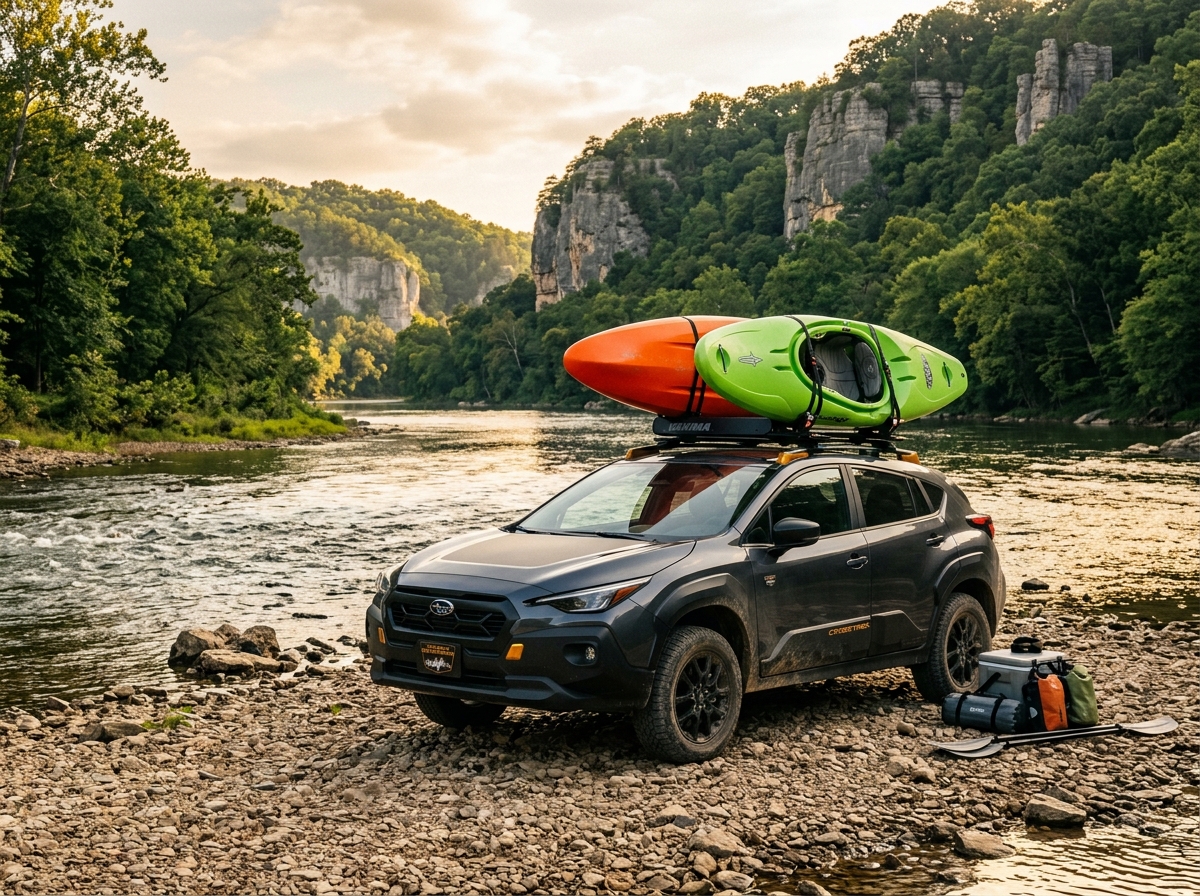
There is a specific kind of magic that happens when you exit Watson Road and head southwest toward the Meramec River. For Subaru Crosstrek owners in Sunset Hills, that journey isn't just a drive; it's a rite of passage. But as any experienced floater knows, the logistics of getting two 12-foot kayaks or a heavy-duty canoe from your driveway to the water's edge can make or break the weekend. The Crosstrek is the undisputed king of the trailhead, yet its compact footprint requires a calculated approach to gear management.
In this guide, we aren't just talking about generic 'storage solutions.' We are diving deep into the engineering of the Crosstrek’s roofline and the specific hardware required to survive Missouri’s backroads and highway crosswinds. Whether you are launching at Maramec Spring Park or taking a longer haul down to Steelville, your rack system is the only thing standing between a perfect day on the water and a roadside disaster on I-44. Let's look at how to optimize your Subaru for the river culture that defines our region.
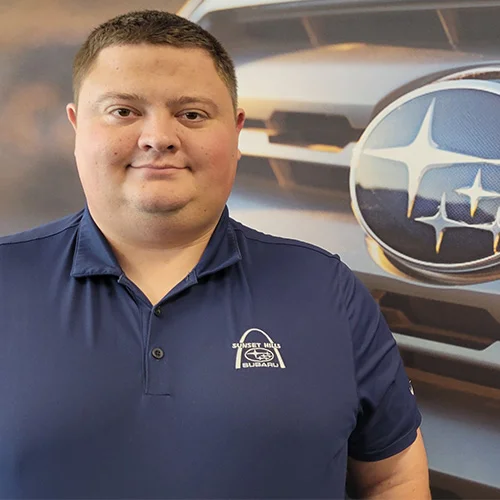
Meet Your Gear Expert: Mike Katsoulis
I’ve spent the last 4 years as the Parts Manager here at Sunset Hills Subaru, but my connection to the brand goes much deeper than the inventory sheets. Growing up in Missouri, the Meramec River was my backyard. I've seen every type of DIY rack failure imaginable—from pool noodles tied with twine to expensive kayaks sliding across the roof because someone used the wrong mounting brackets.
My mission is to ensure that when you leave our lot, your vehicle is an extension of your lifestyle. I’ve personally tested these racks on my own Subaru during weekend trips to Sullivan and beyond. I know which bolts rattle loose after ten miles of gravel and which cradles protect your hull from the Missouri humidity. When I recommend a rack, it's not just as a manager; it's as a fellow adventurer who wants to see you back at the shop on Monday with nothing but good stories and a sunburnt nose.
Why the Crosstrek is the Meramec's Best Friend
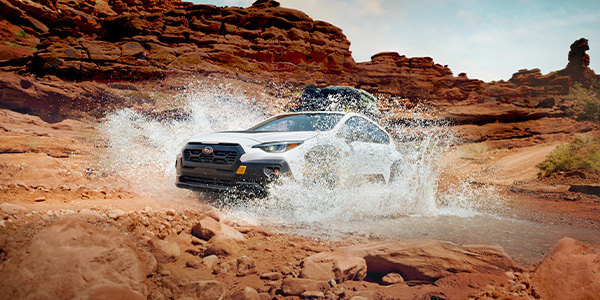
The Subaru Crosstrek wasn't just designed for commuting; it was engineered for the 'last mile'—that final stretch of unpaved road that leads to the best fishing holes and launch points. Its low center of gravity compared to larger SUVs makes it surprisingly stable when carrying top-heavy loads like canoes. More importantly, the factory-installed raised roof rails on most trims provide an incredibly robust foundation.
Unlike vehicles with 'naked' roofs that require complex door-jam clips, the Crosstrek’s rails allow for a more secure 'tower' attachment. This structural integrity is vital when you're fighting the drag of a 14-foot boat at 70 mph. Furthermore, the Crosstrek's manageable height means you don't need a ladder to secure your gear—a major plus after a long day of paddling when your arms feel like lead. We often tell customers that the Crosstrek is basically a backpack with wheels; it’s built to carry exactly what you need without the bulk of a full-size truck. Browse our New Subaru Inventory to see the latest rail designs on the newest models.
The Weight of the Water: Dynamic vs. Static Loads
One of the most common mistakes I see is a misunderstanding of 'Dynamic Load' versus 'Static Load.' For the standard Subaru Crosstrek, the dynamic load limit (the weight it can safely carry while in motion) is typically around 150 lbs. This includes the weight of the crossbars themselves. If you're hauling two heavy rotomolded kayaks, you are quickly approaching that limit.
Static load, on the other hand, refers to what the roof can hold when the car is parked—this is much higher (often up to 700 lbs on the Wilderness trim), which is why roof-top tents are so popular. But for river trips, it’s the movement that matters. Overloading your roof changes the vehicle's handling and can put undue stress on the braking system. If you're unsure about your specific trim's limits, Schedule Service and Diagnostics with us to have an expert verify your setup.
Crosstrek Trim | Dynamic Capacity |
|---|
Standard/Premium | 150 lbs |
Sport/Limited | 150 lbs |
Wilderness Edition | 165+ lbs |
Mike’s Golden Rule for River Racks
"A budget rack is only a bargain until it fails on the highway. When you are hauling thousands of dollars in gear at high speeds, you aren't just buying a bracket; you are buying peace of mind. If it doesn't lock, and it isn't rated for your specific vehicle weight, keep it off the roof."
Top 3 Rack Systems for Missouri Floats
The Premium Choice: Thule
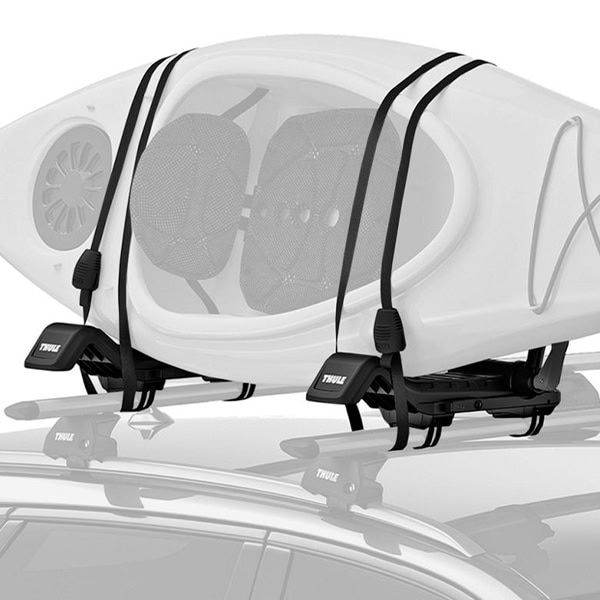
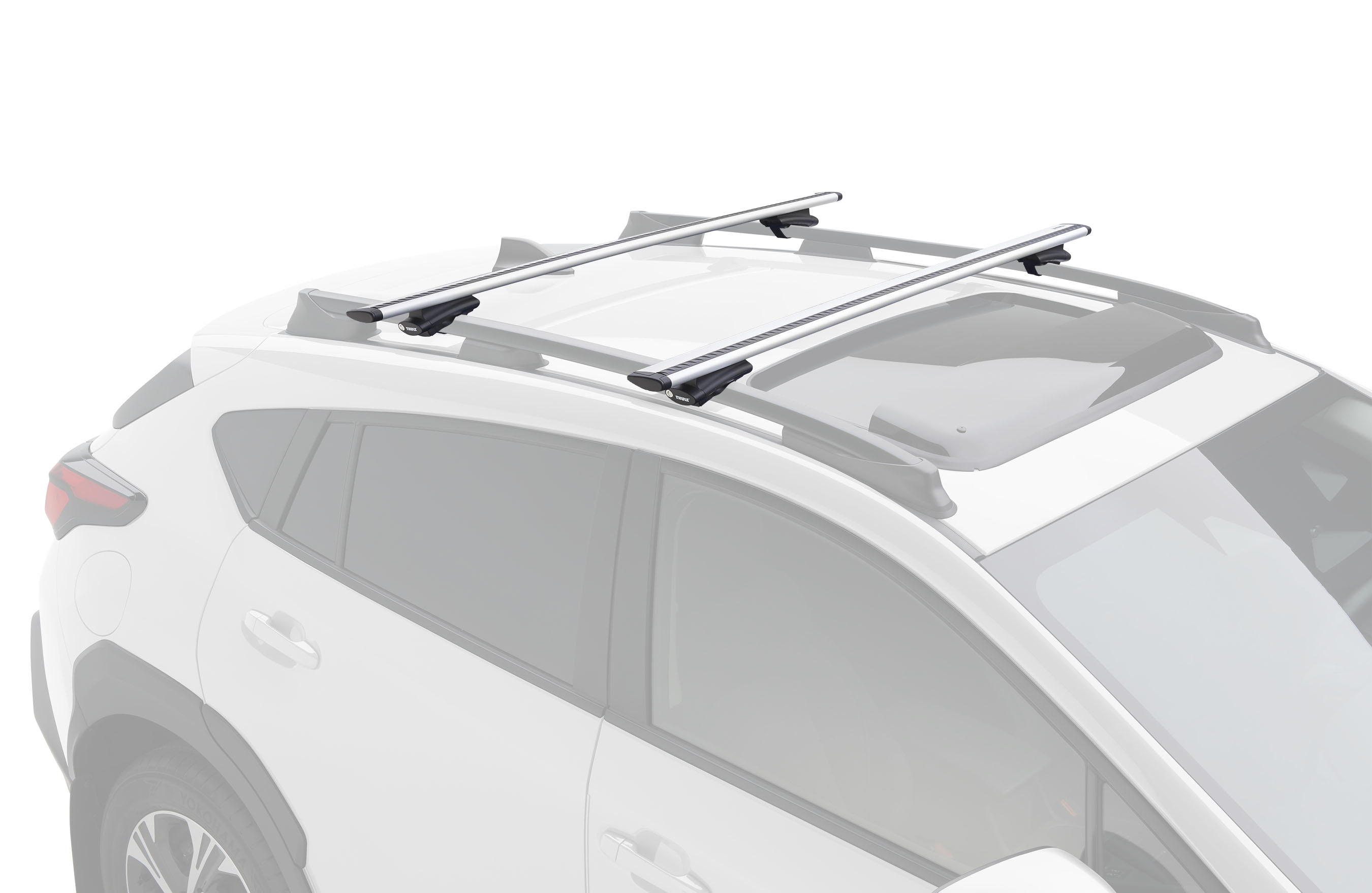
Thule is the gold standard for a reason. Their aerodynamic crossbars reduce the 'hum' on I-44, and their Hull-a-Port systems are incredibly easy to load solo. Perfect for those launching at Meramec Caverns.
The Versatile Pro: Yakima
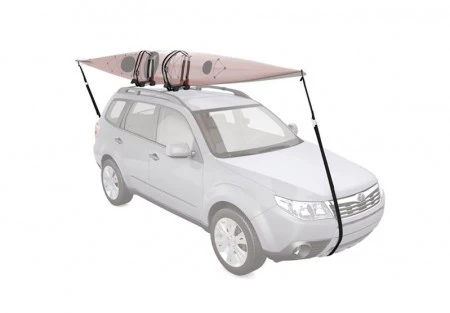
The Yakima JayLow allows you to carry one boat in J-cradle position or two boats stacked vertically. This is my top pick for families heading to Huzzah Valley with multiple paddlers.
The OEM Fit: Genuine Subaru
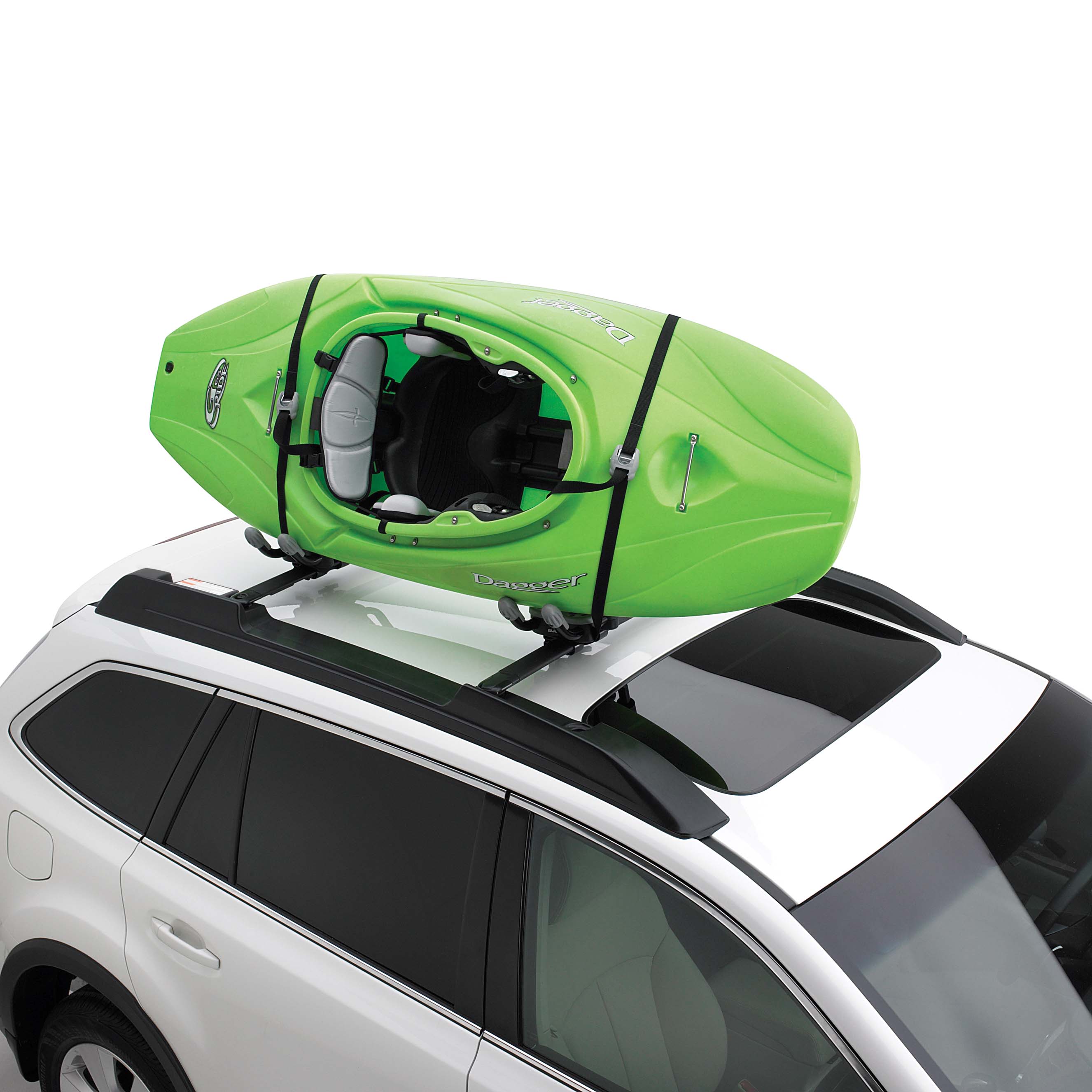
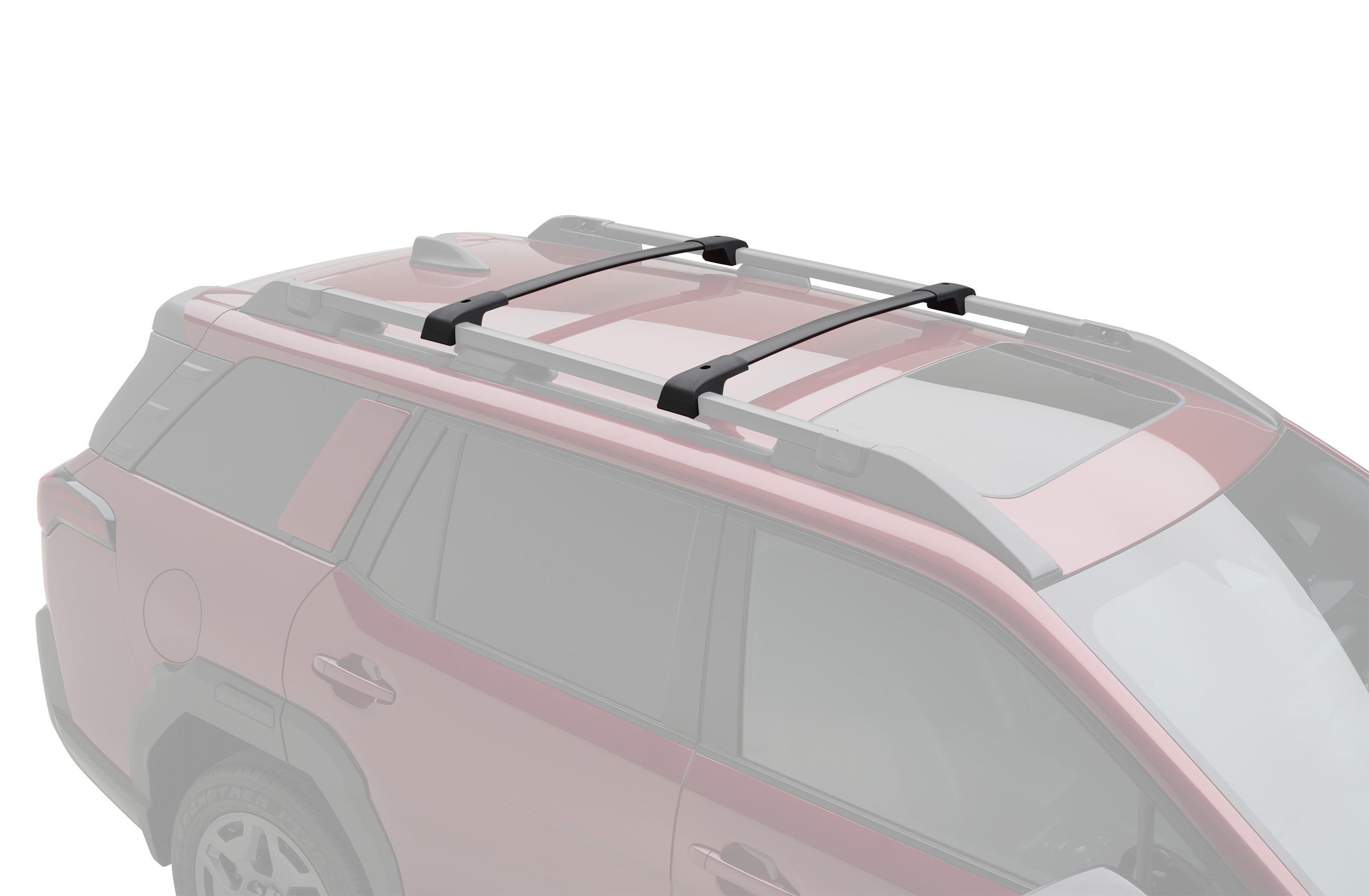
For those who want a guaranteed fit without the guesswork, Genuine Subaru crossbars and kayak carriers are designed specifically for the Crosstrek's geometry. No adapters needed.
Gear Up at Sunset Hills Subaru
Don't leave your river gear to chance. Our parts department stocks the specific racks mentioned above, and we can help you find the exact mounting hardware for your Crosstrek's model year.
Aerodynamics and the 'Hum' Factor
Anyone who has driven from Sunset Hills to Steelville knows that wind noise can become exhausting on a two-hour drive. Round or square bars often create a high-pitched 'hum' or whistling sound due to wind resistance. This isn't just annoying; it’s a sign of drag that is eating into your fuel efficiency.
I always recommend 'Wingbar' or airfoil-shaped crossbars. They are designed to let air pass over them quietly. If you already have a rack and the noise is driving you crazy, adding a front fairing (a wind deflector) can significantly improve the cabin experience. Remember, a quieter ride means you arrive at the river less fatigued and ready to paddle.
The Security Check: Tie-Down Techniques
The rack holds the boat, but the tie-downs protect the vehicle. I cannot stress this enough: always use bow and stern lines. While the cam straps over the center of the kayak keep it on the rack, the lines at the front and back of the boat prevent it from lifting or twisting at highway speeds. For a Crosstrek, you can use 'hood loops' that tuck under the hood if you don't have an obvious front tow point. This creates a triangle of tension that makes the boat part of the car's frame. Check our Current Service and Parts Specials for deals on heavy-duty ratcheting straps.
Professional Installation vs. DIY
While many racks are marketed as DIY-friendly, the installation on a late-model Crosstrek requires precision. If the towers aren't torqued to the exact foot-pound specifications, they can shift under load. Furthermore, professional installation at Sunset Hills Subaru ensures that you aren't voiding any warranties or damaging the weather stripping around your doors. We see a lot of 'oops' moments where a slipped wrench scratched a roof or a crossbar was installed backward. Let us handle the heavy lifting so you can focus on the river.
Why Choose Our Service Team?
Expertise with Subaru-specific rail mounting points
Correct torque settings for safety
Integration with Starlink antennas and moonroof clearance
Fast turnaround while you wait
Schedule Your Rack Fitting
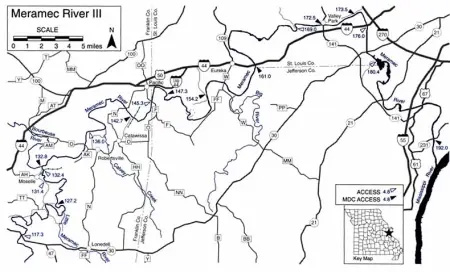
Meramec Access Points: Where to Launch
Pacific Palisades
Just a short drive from Sunset Hills. It offers a great concrete ramp that is Crosstrek-friendly, making it easy to back down close to the water.
Robertsville State Park
Great for families. The parking lots are spacious, giving you plenty of room to unload your roof racks without bumping into neighboring cars.
Scotts Ford
For the more adventurous. This spot near Steelville can get muddy, which is where your Subaru’s Symmetrical AWD really shines.
Post-Float Maintenance
Missouri humidity and river mud are a brutal combination for hardware. After a trip, I recommend rinsing your rack system with fresh water. River water often contains silt and minerals that can get into the locking mechanisms of your Thule or Yakima towers. Every few months, apply a silicone-based lubricant to the locks to keep them turning smoothly. If you leave your rack on year-round, check the tension of the mounting bolts every time you rotate your tires. If you're looking for a vehicle that can handle the mud better than your current ride, check out our Used Vehicle Inventory for rugged options.
Pro Tip: Don't leave your wet straps inside the car! Missouri summers will turn that damp nylon into a mildew farm overnight. Hang them in the garage to dry completely before storing them in your Crosstrek's cargo area.
Ready for a River-Ready Upgrade?
Visit Mike at Sunset Hills Subaru
© 2026 Sunset Hills Subaru. All rights reserved. Always consult your owner's manual for specific load capacities and safety guidelines before installing roof accessories.