Compare Your Most-Shopped Models Head to Head: Finding Your Perfect Suburban Match
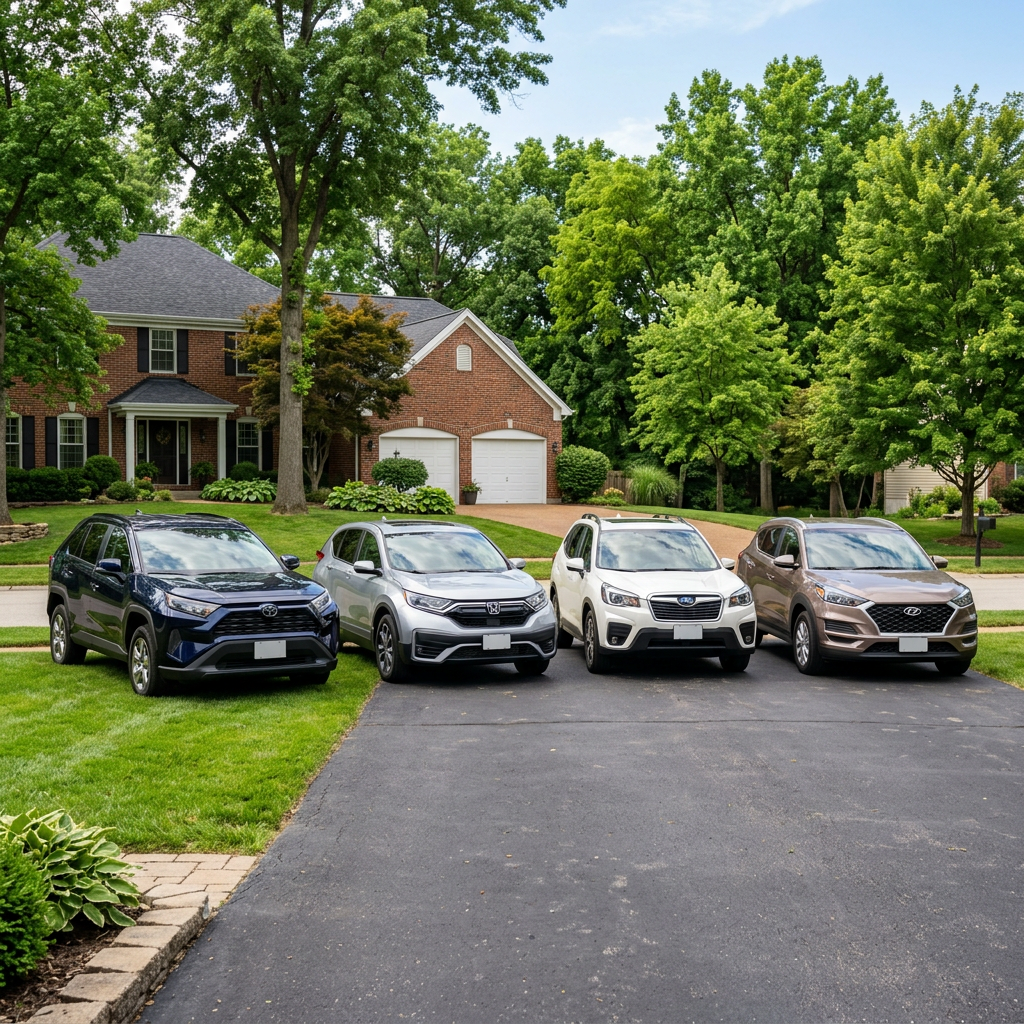
Shopping for a new vehicle in the modern automotive landscape can feel overwhelming. With dozens of highly capable crossover and midsize options flooding the market, drivers throughout the Creve Coeur, Oakland, and Sappington areas find themselves repeatedly weighing the same top-tier competitors. Making the right decision isn’t just about reading a single brochure; it requires a deep, analytical, side-by-side exploration of how these vehicles perform in real-world suburban conditions. Whether you are navigating the morning school runs, packing up for a weekend getaway, or seeking long-term financial peace of mind, choosing the right model is a critical decision that impacts your daily routine for years to come.
At Sunset Hills Subaru, we believe that an informed buyer is a confident buyer. That is why we have designed this comprehensive head-to-head analysis of the most popular vehicles currently dominating suburban driveways. We will strip away the marketing jargon and focus on what truly matters to local families: real fuel economy, genuine cargo versatility, active safety suites, long-term ownership costs, and overall passenger comfort. By evaluating these key elements side-by-side, we aim to provide a clear, actionable guide that simplifies your shopping journey and helps you identify the precise model that aligns with your lifestyle, budget, and driving preferences.
As you read through our analysis, keep in mind how your family utilizes space, how many miles you cover during your weekly commute, and what safety features are non-negotiable for your peace of mind. From compact daily drivers to spacious three-row haulers, we have broken down the critical data points so you can easily compare your most-shopped models head-to-head. Let’s dive deep into the specific categories that define a truly great modern family vehicle.
What Are the Most Popular Compact SUVs Compared Head to Head?
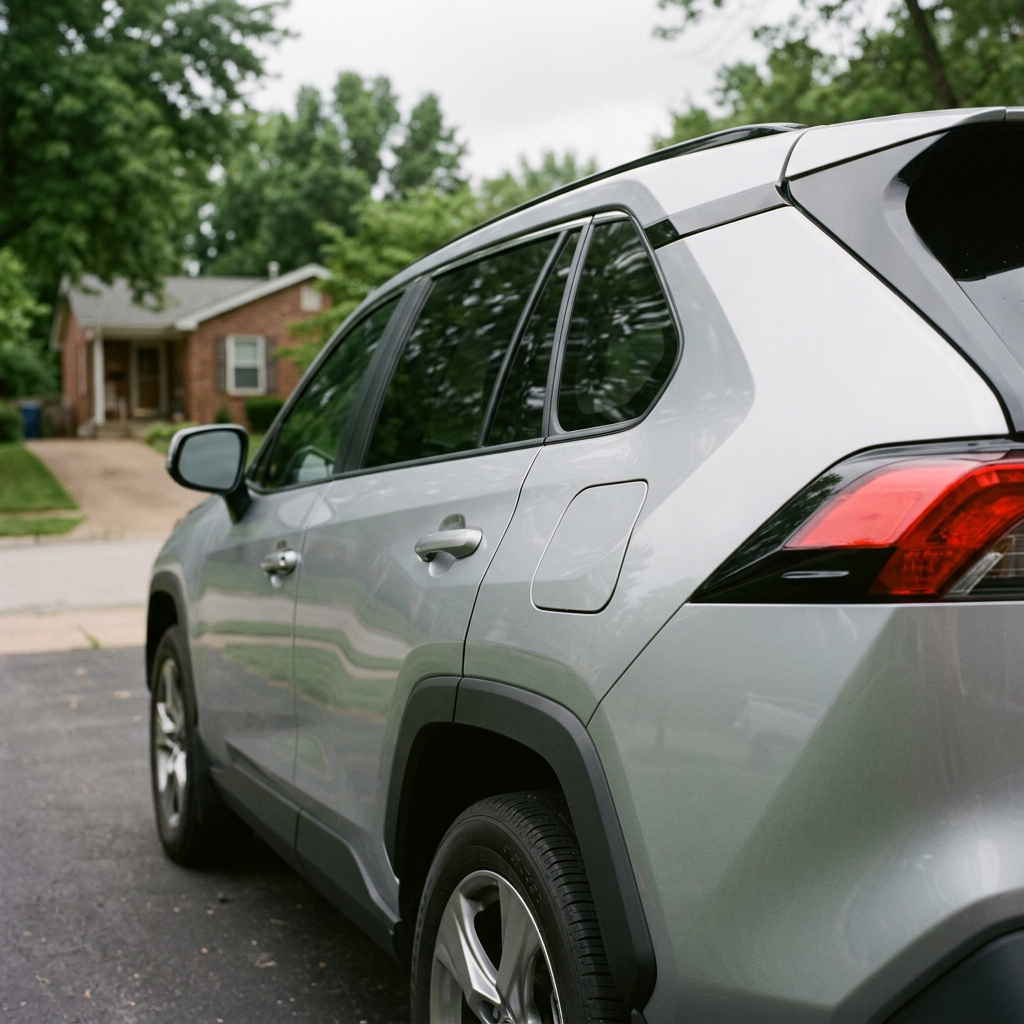
The compact SUV segment represents the sweet spot of the American automotive market. Combining the manageable footprint of a sedan with the ride height, visibility, and cargo flexibility of a larger utility vehicle, these models are the go-to choice for suburban families, daily commuters, and weekend adventurers alike. The primary contenders dominating this fierce competition are the Toyota RAV4, the Honda CR-V, and the Subaru Forester. Each of these vehicles brings a distinct personality and set of engineering priorities to your driveway. When we compare these three segment leaders initially, we see different approaches to the same goal: providing reliable, comfortable, and versatile transportation. The Toyota RAV4 leans heavily on its rugged, truck-like exterior styling and diverse lineup of hybrid and off-road-focused trims. The Honda CR-V counters with a highly refined, sophisticated interior, car-like driving dynamics, and a strong emphasis on cabin ergonomics. Meanwhile, the Subaru Forester distinguishes itself with a standard-equipment philosophy that prioritizes all-weather capability, outward visibility, and adventure-ready utility right out of the box.
To truly understand how these vehicles stack up for a local buyer, we must look beyond their initial aesthetic appeal. Daily drivability in suburban communities like Creve Coeur requires a vehicle that feels agile in crowded shopping center parking lots yet composed and quiet at highway speeds. Suburban utility means having a cabin that can transition seamlessly from carrying sports gear to hauling home improvement supplies. Value, on the other hand, is a calculation of purchase price, standard features, and long-term operating costs. As we break down the specifics, you will see that while all three models excel in general terms, they diverge significantly when it comes to standard equipment. For example, while competitor vehicles often gate their advanced all-wheel-drive systems behind expensive optional packages or higher trims, the Forester includes legendary Symmetrical All-Wheel Drive as standard equipment across its lineup. This foundational difference sets the stage for a detailed comparison of how these vehicles handle the specific demands of Missouri’s changing seasons and varied terrain.
| Feature / Spec |
Subaru Forester |
Toyota RAV4 |
Honda CR-V |
| Standard AWD |
Symmetrical AWD (Standard) |
Available (Extra Cost) |
Available (Extra Cost) |
| Standard Safety Tech |
EyeSight® Driver Assist (Std) |
Toyota Safety Sense (Std) |
Honda Sensing® (Std) |
| Starting Powertrain |
2.5L 4-Cylinder BOXER |
2.5L 4-Cylinder |
1.5L Turbocharged 4-Cyl |
| Passenger Volume |
Up to 111.6 cu. ft. |
98.9 cu. ft. |
103.5 cu. ft. |
Does the Toyota RAV4 or Honda CR-V Get Better Fuel Economy?
For daily commuters navigating the highways between Oakland, Sappington, and downtown St. Louis, weekly fuel expenses represent a significant portion of the household budget. When analyzing the efficiency battle between the Toyota RAV4 and the Honda CR-V, we have to look closely at their respective standard powertrains. The base-model Honda CR-V utilizes a 1.5-liter turbocharged inline-4 engine paired with a Continuously Variable Transmission (CVT). This small-displacement, turbocharged setup is designed to deliver quick low-end torque while conserving fuel during steady cruising. In standard front-wheel-drive configuration, the CR-V achieves an EPA-estimated 28 mpg in the city and 34 mpg on the highway. Choosing all-wheel drive drops those numbers slightly, but it remains a highly efficient option for daily commuting.
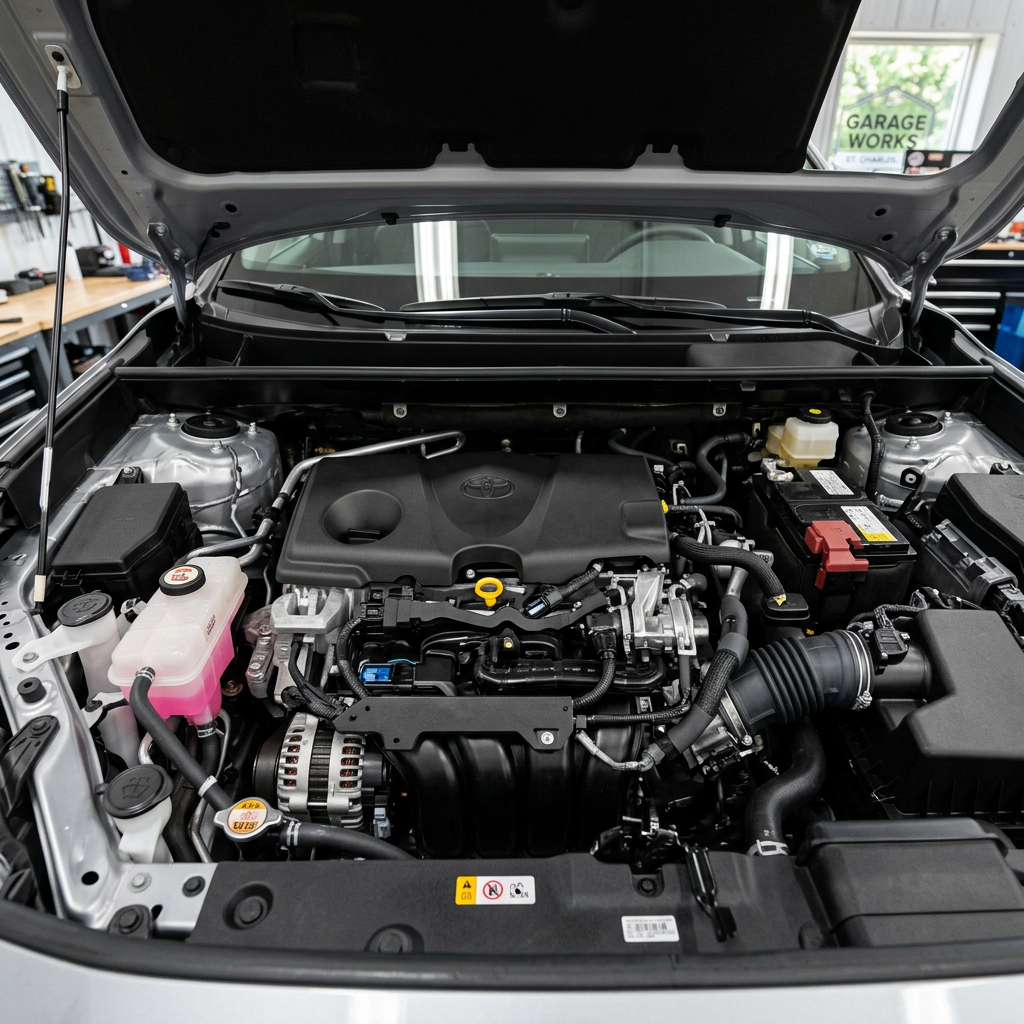
The Toyota RAV4 takes a different engineering path, equipping its standard non-hybrid models with a larger, naturally aspirated 2.5-liter Dynamic Force 4-cylinder engine mated to an 8-speed automatic transmission. This powertrain delivers 203 horsepower and earns an EPA-estimated 27 mpg city and 35 mpg highway in front-wheel-drive models. While the highway ratings are neck-and-neck, the feel of the drive is distinct. The Honda’s turbocharged engine delivers power early in the rev range, making it feel highly responsive in stop-and-go traffic. The RAV4’s naturally aspirated engine requires higher revs to reach its peak power, but its traditional 8-speed automatic provides stepped gear shifts that some traditionalist drivers prefer over a CVT.
To put these numbers into perspective for local drivers: if you commute daily from Sappington to Clayton, covering roughly 15,000 miles per year, a difference of just 1 or 2 combined mpg can translate to hundreds of dollars in fuel savings over a multi-year ownership cycle. While both the RAV4 and CR-V offer highly efficient hybrid upgrades that push fuel economy past 40 mpg in the city, their base gasoline models remain highly competitive. However, when comparing these to a vehicle equipped with standard AWD, like the Subaru Forester, you must factor in that Subaru achieves an impressive EPA-estimated 26 mpg city and 33 mpg highway *with* its permanent all-wheel-drive system engaged, offering an exceptional balance of security and efficiency.
Which Compact SUV Has the Largest Cargo Capacity?
When you are packing up coolers, strollers, sports gear, or pet crates for a weekend trip to Creve Coeur Lake, raw cargo specifications transform from numbers on a screen into critical daily realities. A comparison of the physical dimensions of these top compact SUVs reveals that they are exceptionally close on paper, yet they offer very different experiences when it comes to loading and organizing your belongings. The Honda CR-V leads the segment in maximum cargo volume, boasting up to 39 cubic feet of space behind the rear seats, which expands to a massive 76.5 cubic feet when those seats are folded flat. Honda achieves this through an incredibly low load floor and a highly optimized, boxy rear design. The Toyota RAV4 follows closely, offering 38 cubic feet behind the second row and expanding to 70 cubic feet. While the RAV4’s total volume is slightly smaller than the CR-V’s, its cargo area features a durable, easy-to-clean reversible floor board.
However, cargo utility is about more than just raw cubic feet; it is about physical accessibility. The Subaru Forester, for instance, provides up to 74 cubic feet of cargo space, but its defining advantage is the extra-wide rear gate opening. Measuring over 51 inches wide, the Forester’s trunk opening is several inches wider than most competitors. This makes loading large, bulky items—such as bicycles, fully assembled strollers, or heavy cargo boxes—significantly easier because you don’t have to tilt or squeeze them through a narrow aperture. Furthermore, the Forester’s flat load floor and square interior shape mean that vertical, usable space is maximized. When you fold the 60/40-split flat-folding rear seats, you get a virtually seamless floor that makes sliding heavy items forward effortless. For those who lead active lifestyles in our local Missouri communities, this practical engineering is often more valuable than a minor difference in paper specifications.
Which of These Compact SUVs Has the Best Standard Safety Features?
Subaru EyeSight® Technology Subaru’s EyeSight suite is a pioneer in driver-assist safety. Using a dual-camera setup mounted high behind the windshield, it acts like an extra set of eyes. EyeSight includes Pre-Collision Braking, Adaptive Cruise Control with Lane Centering, and Lane Keep Assist. Because the cameras are positioned inside the cabin, they are protected from exterior dirt, mud, and minor front-end bumper impacts, ensuring consistent operation when navigating busy school zones.
Toyota Safety Sense (TSS) Toyota equips the RAV4 with Toyota Safety Sense, which utilizes a single-camera and radar system. It features Pre-Collision System with Pedestrian Detection, Full-Speed Range Dynamic Radar Cruise Control, and Lane Departure Alert. TSS is highly regarded for its smooth highway tracking and responsive traffic sign assist, providing excellent support for long road trips across Missouri’s major highways.
Honda Sensing® Suite Honda Sensing on the CR-V combines a wide-angle camera and radar to monitor the road ahead. It offers Collision Mitigation Braking, Road Departure Mitigation, and Traffic Jam Assist. Honda’s system is highly praised for its subtle, non-intrusive warnings and smooth steering inputs, making it an excellent companion for congested daily commutes through St. Louis metropolitan areas.
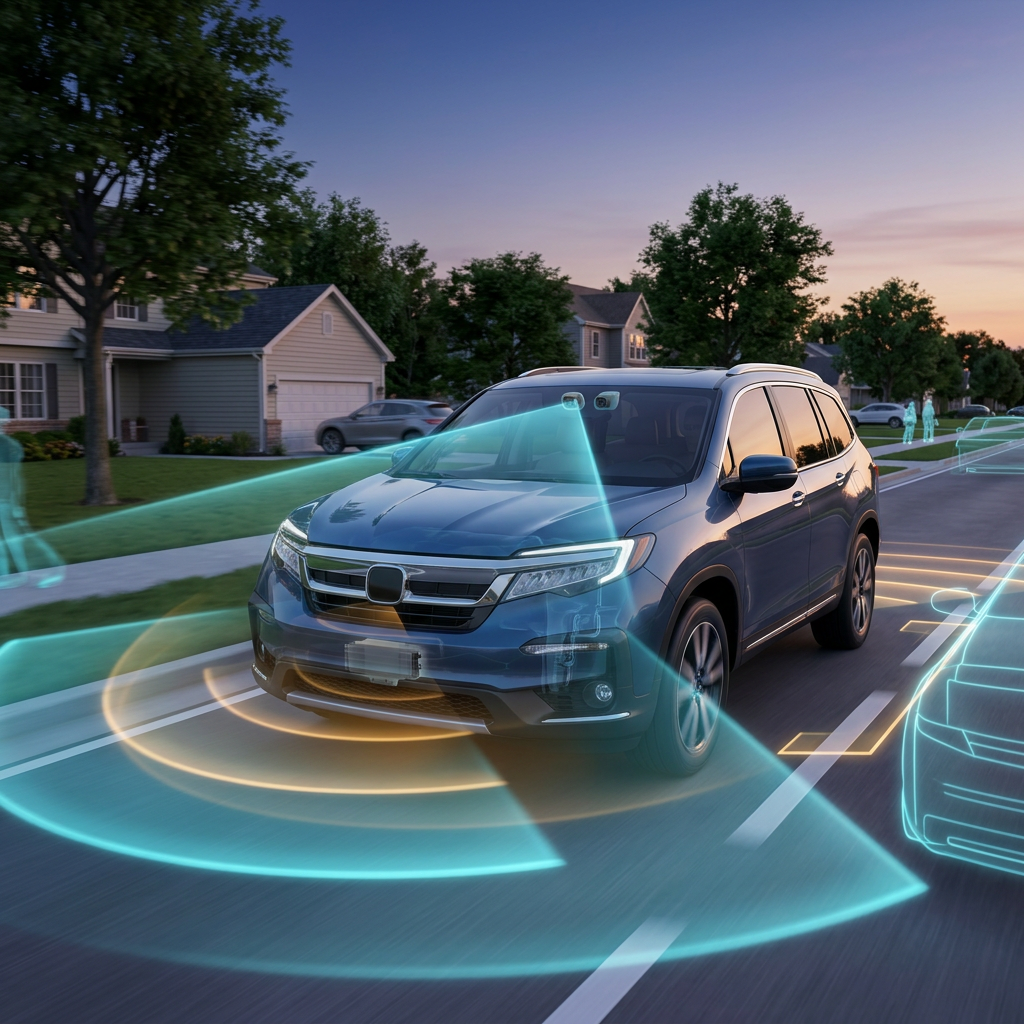
While all three systems have earned Top Safety Pick awards from the Insurance Institute for Highway Safety (IIHS), they operate with different levels of driver feedback and integration. Subaru’s EyeSight stands out because of its integration with the brand’s unique vehicle architecture. The Boxer engine’s low placement allows for an incredibly low center of gravity, which works in tandem with EyeSight’s automatic braking to maintain vehicle stability during emergency evasive maneuvers. For parents driving through active school zones in Sunset Hills and Creve Coeur, these split-second technological interventions provide invaluable peace of mind.
How Do Maintenance Costs Compare Between Honda and Toyota Compact SUVs?
Calculating the true cost of a vehicle means looking far beyond the initial purchase price. Scheduled maintenance, wear-and-tear parts, and overall reliability play massive roles in your long-term ownership experience. Both Toyota and Honda have built legendary reputations for durability, which translates to highly predictable maintenance schedules and strong resale values. Toyota offers a complimentary maintenance plan called ToyotaCare, which covers factory-scheduled maintenance (like oil changes and tire rotations) for the first two years or 25,000 miles. Honda offers a similar program, Honda Service Pass, covering select scheduled maintenance for 2 years or 24,000 miles on newer models. These programs provide excellent short-term cost relief for buyers. Beyond these initial periods, both brands typically demand relatively low annual maintenance budgets compared to European luxury alternatives.
However, keeping your vehicle in peak condition requires a reliable local partner. At Sunset Hills Subaru, our factory-trained technicians are experts in handling the unique engineering of Boxer engines and Symmetrical AWD systems. We understand that consistent, preventive maintenance is the key to avoiding costly repairs down the road. Local drivers can easily Schedule Service and Diagnostics online to keep their vehicles running smoothly. Whether you drive a Subaru, Toyota, or Honda, adhering to factory-recommended intervals for fluid flushes, brake pad replacements, and tire alignments ensures your SUV remains safe, efficient, and reliable for hundreds of thousands of miles. Keeping an eye on local Current Service and Parts Specials is another smart way for local drivers to maintain their vehicles while keeping ownership costs highly competitive.
Explore Our Local Inventory and Compare Trims in Person
Reading comparisons is an excellent starting point, but nothing replaces the clarity of sitting in the driver’s seat, feeling the material quality, and experiencing the visibility firsthand. Whether you want to check out the latest technology, evaluate the actual cargo space for your family’s gear, or see how a brand-new model handles on the road, our dealership is ready to assist. We offer a comprehensive selection of versatile vehicles designed to elevate your daily commute. Before you visit our showroom in Sunset Hills, you can easily browse our New Subaru Inventory to find the exact color, trim, and package options you want. If you are planning to trade in your current vehicle, you can quickly Get your value trade online to establish a clear budget and streamline your buying process.
How Do Midsize Three-Row SUVs Compare in Passenger Comfort and Third-Row Space?
As families grow, their automotive needs naturally expand. While a compact SUV like the Honda CR-V provides highly respectable cabin space for smaller families, there comes a point where a true three-row SUV becomes a necessity. When comparing popular midsize three-row SUVs, passenger comfort in the third row is one of the most critical differentiators. Many vehicles in this class offer a third row that is tightly cramped, suitable only for small children on short trips. Others provide a genuinely hospitable space designed to accommodate teenagers or adults comfortably. The Honda Pilot and the Subaru Ascent are prime examples of three-row crossovers designed with family utility in mind. The Honda Pilot features a highly configurable interior, including an innovative removable second-row center seat that can be stored under the cargo floor when not in use. This flexibility allows you to easily switch between an 8-passenger bench layout and a 7-passenger captain’s chair configuration, depending on your daily passenger hauling needs.
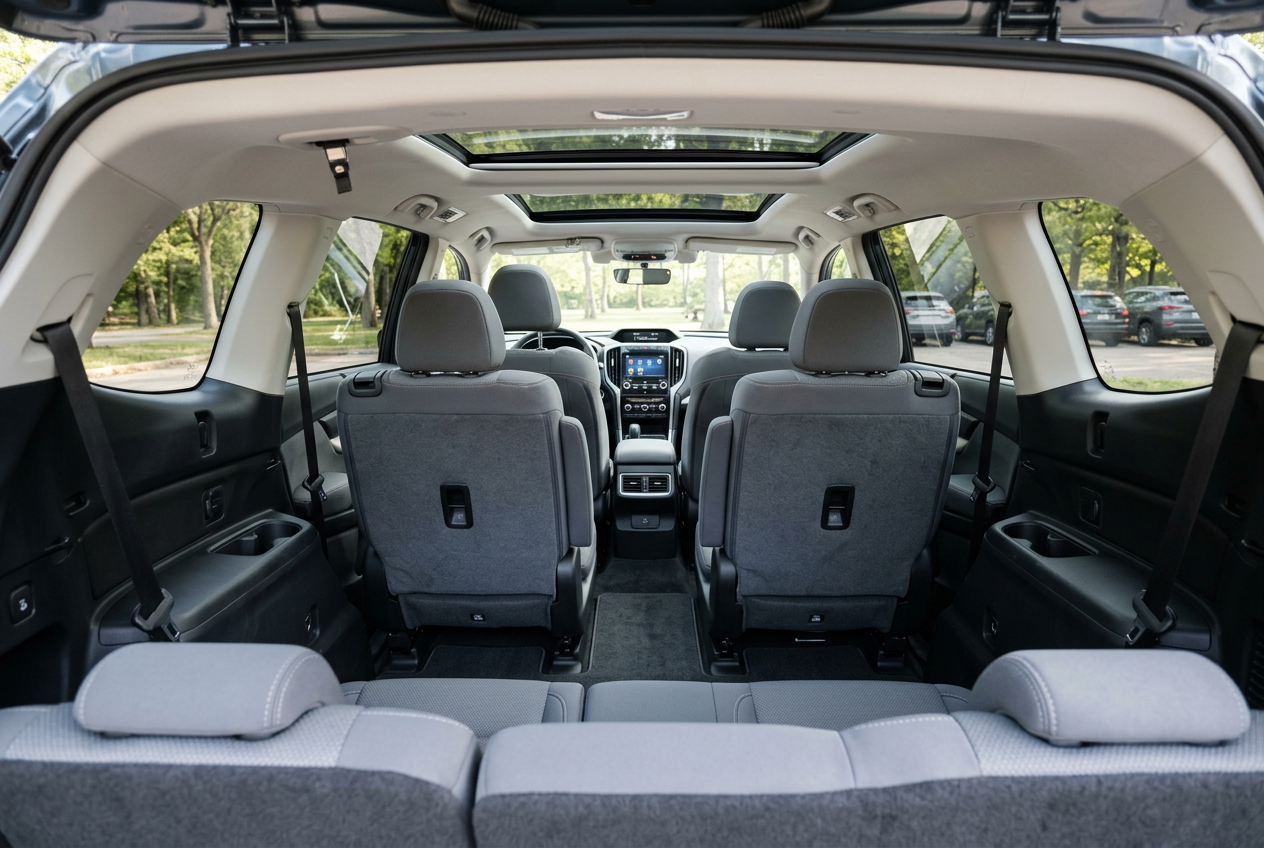
The Subaru Ascent counters with a strong focus on standard comfort and practical family features. Boasting up to 153.5 cubic feet of total passenger volume, the Ascent ensures that occupants in all three rows have generous headroom, legroom, and shoulder space. Furthermore, the Ascent is famous for including 19 standard cup and bottle holders, ensuring that every passenger has a dedicated spot for their drinks on long road trips. When we look closely at the third row, the Ascent provides 31.7 inches of legroom paired with easy-access steps and grab handles that make climbing into the back simple for kids and adults alike. While some competitors treat the third row as an afterthought, both the Pilot and the Ascent are engineered to ensure that no passenger feels like they are riding in the ‘less desirable seats.’
Which of These Midsize SUVs Is Easiest to Install Child Safety Seats In?
LATCH Accessibility For parents in young, active suburban communities like Oakland, installing child safety seats is a frequent and sometimes frustrating chore. The ease of installation often comes down to the accessibility of the lower LATCH anchors. In the Subaru Ascent, these anchors are clearly marked and positioned behind easily removable leather or fabric flaps, allowing you to click car seat connectors in place without wrestling with dense seat cushions.
Door Opening Angles Getting a bulky rear-facing infant carrier into a vehicle requires a wide physical opening. Many three-row SUVs feature rear doors that open to roughly 70 degrees, requiring you to squeeze the seat in at an awkward angle. The Ascent features rear doors that open to a wide 75 degrees. This extra clearance makes a substantial difference, allowing parents to load child seats or secure toddlers without straining their backs.
Second-Row Slide Mechanisms Accessing the third row when child seats are installed in the second row is a common challenge. Some competitors require you to completely remove a child seat to slide the second row forward. Advanced midsize SUVs solve this with sliding and tilting second-row captain’s chairs that can tilt forward even with a front-facing child seat installed, maintaining quick access to the rear seats.
When evaluating these real-world elements, the Subaru Ascent repeatedly earns high marks from family safety organizations for its practical LATCH ease-of-use. With up to five LATCH positions available depending on the trim, the Ascent offers maximum flexibility for growing families who need to accommodate multiple car seats or booster seats simultaneously, making it a highly compelling option for local parents.
Which Three-Row SUV Has the Best Towing Capacity?
For many Missouri families, a midsize SUV is more than just a daily commuter; it is a vehicle that enables weekend adventures. Whether you are towing a small camper to a state park, pulling a boat to the lake, or hauling a utility trailer with landscaping supplies, understanding towing capacities is critical for safe and confident travel. Most modern midsize three-row SUVs offer a maximum towing capacity of 5,000 pounds when properly equipped. This standard is shared by the Honda Pilot, the Toyota Highlander, and the Subaru Ascent. However, to achieve this rating, some competitors require you to purchase expensive add-on towing packages or upgrade to specific engine options. The Subaru Ascent, by contrast, offers its robust 5,000-pound towing capability as a standard feature on all Premium, Onyx Edition, Limited, and Touring trims, powered by its high-torque 2.4-liter turbocharged Boxer engine.
Towing safely is about more than just engine power; it is about vehicle control. Standard features like Trailer Stability Assist (TSA) are crucial. This system constantly monitors trailer sway and can automatically apply individual brakes and reduce engine power to help bring the trailer back under control if it begins to fishtail in heavy highway winds. Additionally, having an advanced all-wheel-drive system like Subaru’s Symmetrical AWD ensures that you maintain maximum traction on slippery boat ramps or gravel campsites. When you combine standard towing power with advanced traction management, you get a vehicle that handles heavy loads with confidence. If you are looking to step into a highly capable three-row vehicle, you can check out our extensive New Subaru Ascent Inventory to find the perfect towing-ready trim for your family.
Does the Hyundai Palisade or Kia Telluride Have Better Warranty Coverage?
The Korean Warranty Leader The Hyundai Palisade and Kia Telluride are closely related corporate siblings that share a platform, engine, and transmission. Where they truly stand out in the three-row segment is their industry-leading warranty coverage. Both brands offer a 10-year/100,000-mile powertrain limited warranty and a 5-year/60,000-mile basic limited warranty, providing exceptional peace of mind.
Roadside Assistance In addition to the extensive powertrain coverage, both manufacturers include 5 years of complimentary roadside assistance with no mileage limit. This means if you experience a flat tire, dead battery, or lock your keys out of your vehicle anywhere in the country, help is just a phone call away, which is a major comfort for families on long road trips.
While these Korean midsize SUVs offer unmatched warranty lengths on paper, buyers should look closely at what is covered and how the warranty transfers. For second owners, the legendary 10-year/100,000-mile powertrain warranty typically reverts to a standard 5-year/60,000-mile coverage. By comparison, brands like Subaru offer a highly robust 5-year/60,000-mile powertrain warranty that transfers fully to subsequent owners without modification, helping maintain strong resale values in the used market. For those considering pre-owned options, you can browse our excellent selection of verified models in our Used Vehicle Inventory.
How Does the Honda Pilot's All-Wheel-Drive System Compare to Its Rivals?
When Missouri winter weather strikes, or when you are navigating muddy gravel roads around local state parks, a vehicle’s all-wheel-drive system is your primary line of defense. However, not all AWD systems are created equal. Most modern crossovers use ‘slip-and-grip’ systems, which operate primarily in front-wheel drive and only send power to the rear wheels after slip is detected. While this saves small amounts of fuel, it can lead to a momentary loss of traction before the system engages. The Honda Pilot utilizes an advanced torque-vectoring AWD system called i-VTM4 (intelligent Variable Torque Management). This system is highly sophisticated, capable of sending up to 70% of the engine’s torque to the rear axle, and directing 100% of that rear torque to either the left or right wheel. This active power distribution helps push the Pilot through corners and provides impressive capability in deep snow or mud.
The gold standard of traction, however, remains Subaru’s Symmetrical All-Wheel Drive. Unlike slip-and-grip systems, Symmetrical AWD is a permanent, continuous system that constantly delivers power to all four wheels. This layout is chemically balanced along the centerline of the vehicle, providing optimal weight distribution and exceptional stability. By actively distributing power to the wheels with the best grip, the system prevents slips before they even occur, rather than reacting after they happen. For compact models, the Honda CR-V uses Real Time AWD with Intelligent Control, which is highly efficient and capable for daily suburban use. But for true all-weather confidence and light off-road adventures, Subaru’s continuous power delivery and standard X-MODE® traction management provide a level of capability that slip-and-grip rivals struggle to match. Discover our lineup of all-weather-ready vehicles by browsing our New Subaru Inventory today.
How Much Does the Toyota RAV4 Cost and What Powers It?
Pricing and Trims The Toyota RAV4 starts in the high-$28,000 range for the base LE front-wheel-drive trim. As you climb the trim ladder through the XLE, XLE Premium, Adventure, and Limited models, pricing can easily exceed $38,000. Adding all-wheel drive to non-adventure trims typically adds an extra $1,400 to the MSRP, which is an important budget factor to consider.
Engine Performance The standard RAV4 is powered by a 2.5-liter 4-cylinder engine generating 203 horsepower and 184 lb-ft of torque. It is a highly reliable, naturally aspirated engine paired with a smooth 8-speed automatic transmission. For those seeking extra efficiency and power, Toyota offers highly popular hybrid models that deliver 219 combined horsepower.
When planning your next vehicle purchase, securing competitive financing is a crucial step in keeping your monthly payments affordable. At Sunset Hills Subaru, our experienced finance team works with a wide network of local and national lenders to help you find the best rates and terms. You can get started from the comfort of your home by filling out our secure online Get approved for financing application, saving you time and hassle when you visit our showroom.
Ready to Test Drive Your Top Choices Side by Side?
Selecting the perfect family vehicle is a major decision, and the best way to make it is with firsthand experience. At Sunset Hills Subaru, we invite you to visit our welcoming dealership in Sunset Hills, MO, to explore our extensive lineup of new and pre-owned models. Our knowledgeable team is dedicated to helping you compare your most-shopped models head-to-head in a relaxed, no-pressure environment. We can walk you through the advanced safety technologies, demonstrate the versatile cargo configurations, and help you find the vehicle that perfectly fits your lifestyle and budget. If you have any questions or are ready to schedule a test drive, please Call us at (314) 476-9638 to speak with one of our friendly product specialists. We are conveniently located at 10100 Watson Rd, Sunset Hills, MO 63127. Plan your visit today and Get Directions to Sunset Hills Subaru. We look forward to serving you and helping you find your perfect suburban match!
Tags: All-Wheel Drive SUVs, Compact SUVs Comparison, Family SUVs 2024, Fuel efficiency SUVs, Midsize Three-Row SUVs, Missouri Car Buyers, Subaru Forester Review, Suburban SUVs, SUV Cargo Capacity, SUV safety features, Toyota RAV4 vs Honda CR-V
Posted in
Buying Guides |
No Comments »