Subaru Warning Light Glossary: Your Complete Guide to Dashboard Peace of Mind
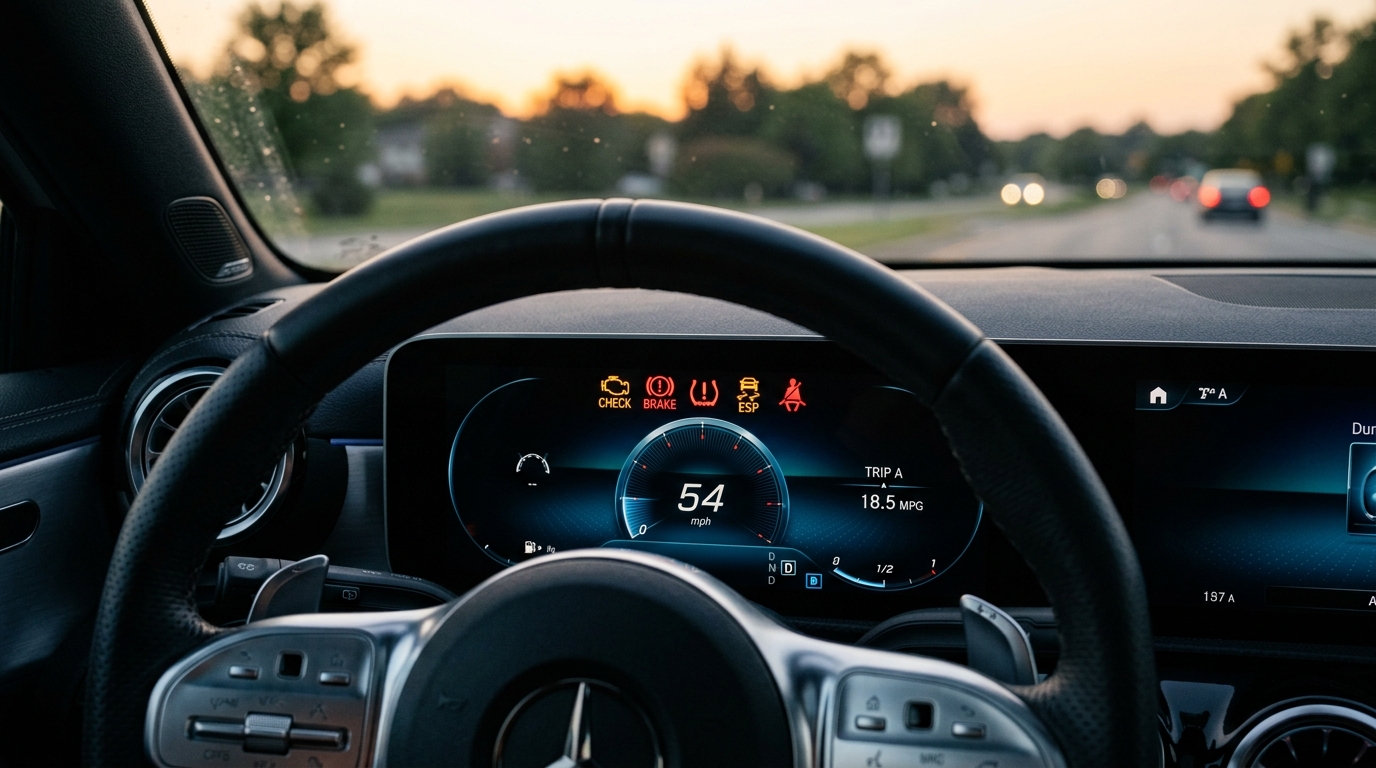
Driving through Sunset Hills, MO, in your Subaru should be an experience defined by confidence and safety. However, when a mysterious symbol suddenly glows on your dashboard, that peace of mind can quickly turn into anxiety. At Sunset Hills Subaru, we believe that an informed driver is a safer driver. Your Subaru is equipped with a sophisticated onboard diagnostic system designed to monitor everything from engine timing to the pressure in your spare tire. Understanding these signals is the first step in ensuring your vehicle’s longevity.
This comprehensive glossary is designed to demystify those glowing icons. Whether you are navigating the summer heat on Watson Road or preparing for a cross-country adventure in your Outback, knowing when a light requires an immediate stop versus a scheduled check-up is vital. Our goal is to empower you with expert knowledge, so you never feel overwhelmed by your car’s communication. If you ever feel unsure, our team is just a phone call away at (314) 476-9638 to help guide you through any technical concerns.
The Color-Coded Language of Your Subaru
Subaru uses a universal ‘traffic light’ logic for its dashboard indicators. This color-coded system is designed to convey the urgency of a situation at a single glance. Red indicators are the most critical. When you see a red light, it typically signifies a serious malfunction or a safety system that requires immediate attention. In many cases, continuing to drive with a red light could lead to catastrophic engine failure or a dangerous loss of vehicle control.
Amber or Yellow lights represent caution. These are the most common lights and usually indicate that a system is not operating correctly but does not pose an immediate threat to the vehicle’s operation. However, ignoring these can lead to secondary issues. For example, a yellow tire pressure light might not stop you from driving today, but it will certainly affect your fuel economy and tire wear over the next week. We recommend that you Schedule Service and Diagnostics whenever a yellow warning persists.
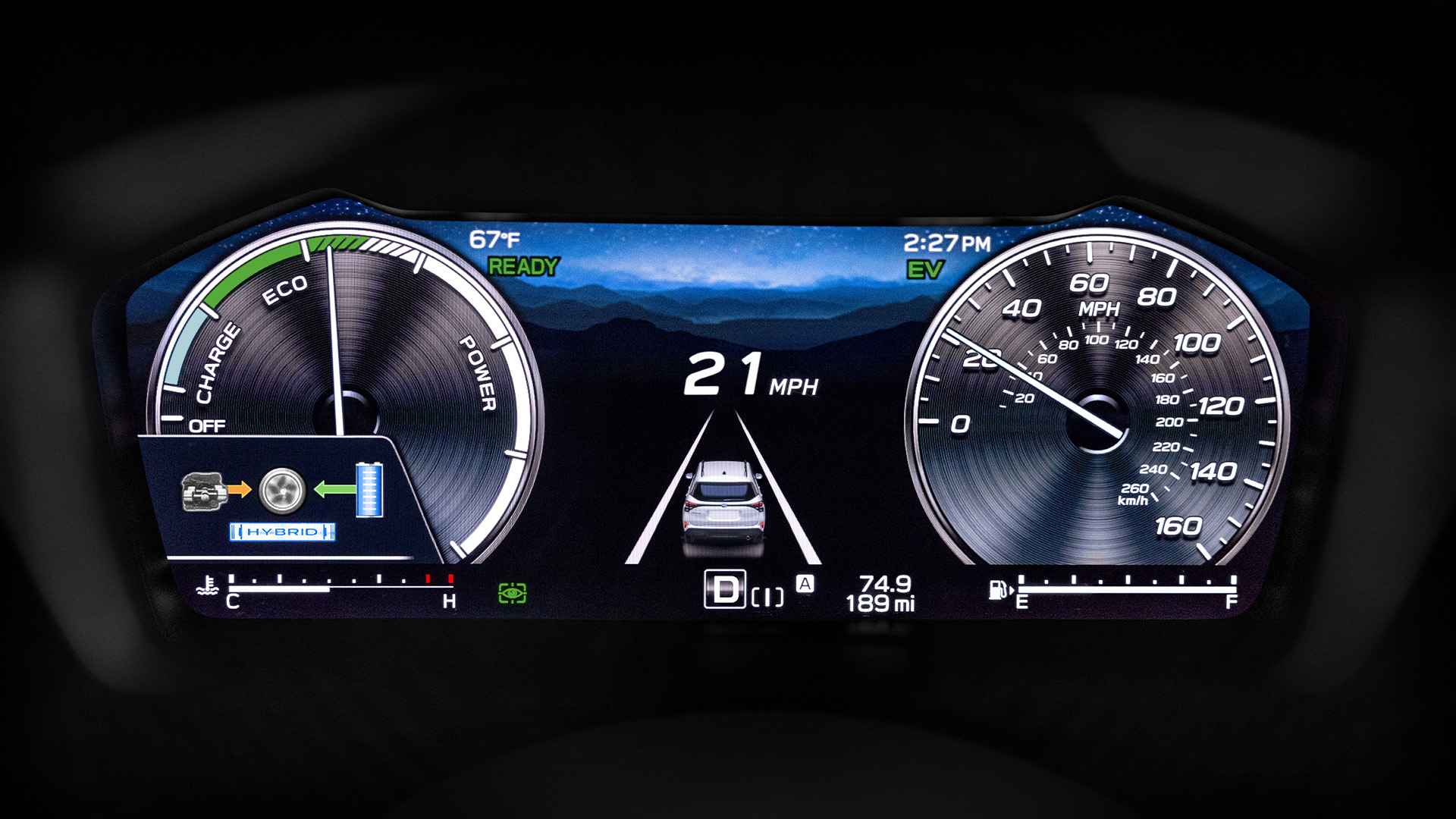
Green and Blue lights are generally informational. A blue coolant light simply means the engine hasn’t reached operating temperature yet—perfectly normal on a cool morning. Green lights often signal that a system like your turn signals, high beams, or Cruise Control is active. These are ‘indicator’ lights rather than ‘warning’ lights, letting you know your Subaru is doing exactly what you asked it to do.
Understanding this hierarchy helps you stay calm when a light appears. If it’s red, find a safe place to pull over immediately. If it’s amber, plan to visit us soon. If it’s blue or green, simply keep an eye on it as it reflects the current state of your vehicle’s features. We invite you to Get Directions to Sunset Hills Subaru if you need a professional to verify any of these signals.
Critical Red Alerts: When to Pull Over Safely
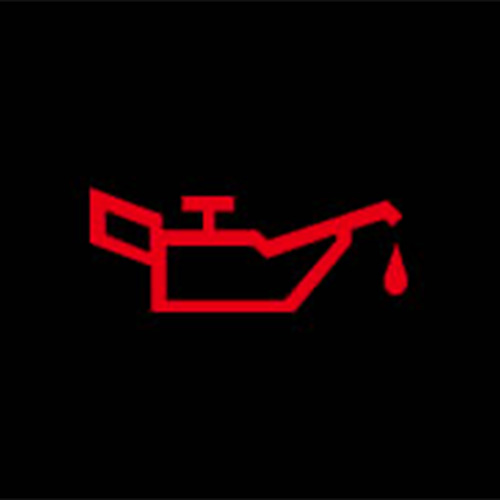
Oil Pressure Warning
This is perhaps the most dangerous light. It indicates that oil is not circulating properly through your Boxer engine. Without lubrication, metal-on-metal contact will destroy your engine in minutes. Stop the car immediately and check your oil levels.
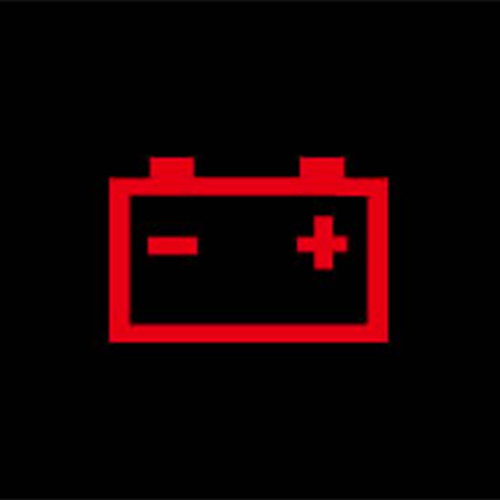
Charge System Light
Commonly called the battery light, this actually means the alternator isn’t charging the battery. Your car is running solely on stored electrical power, which will eventually run out, causing the engine to stall. This is critical in Missouri heat where AC usage is high.
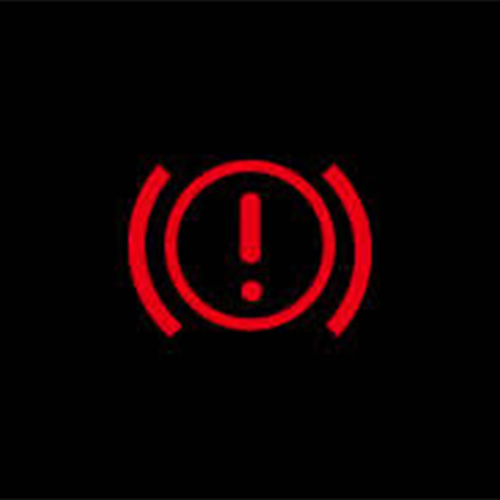
Brake System Light
If this light stays on after you’ve released the parking brake, you may have low brake fluid or a hydraulic failure. Your stopping distance could be severely compromised. Pull over safely and do not attempt to drive if the pedal feels spongy.
The Infamous Check Engine Light (CEL)
The Check Engine Light, or Malfunction Indicator Lamp (MIL), is the most misunderstood light on the dashboard. It is connected to your Subaru’s Engine Control Unit (ECU) and can be triggered by hundreds of different ‘fault codes.’ A steady amber light usually means there is an issue with the emissions system. This could be as simple as a loose gas cap—if the cap isn’t tightened until it clicks, the system detects an evaporative leak and triggers the light.
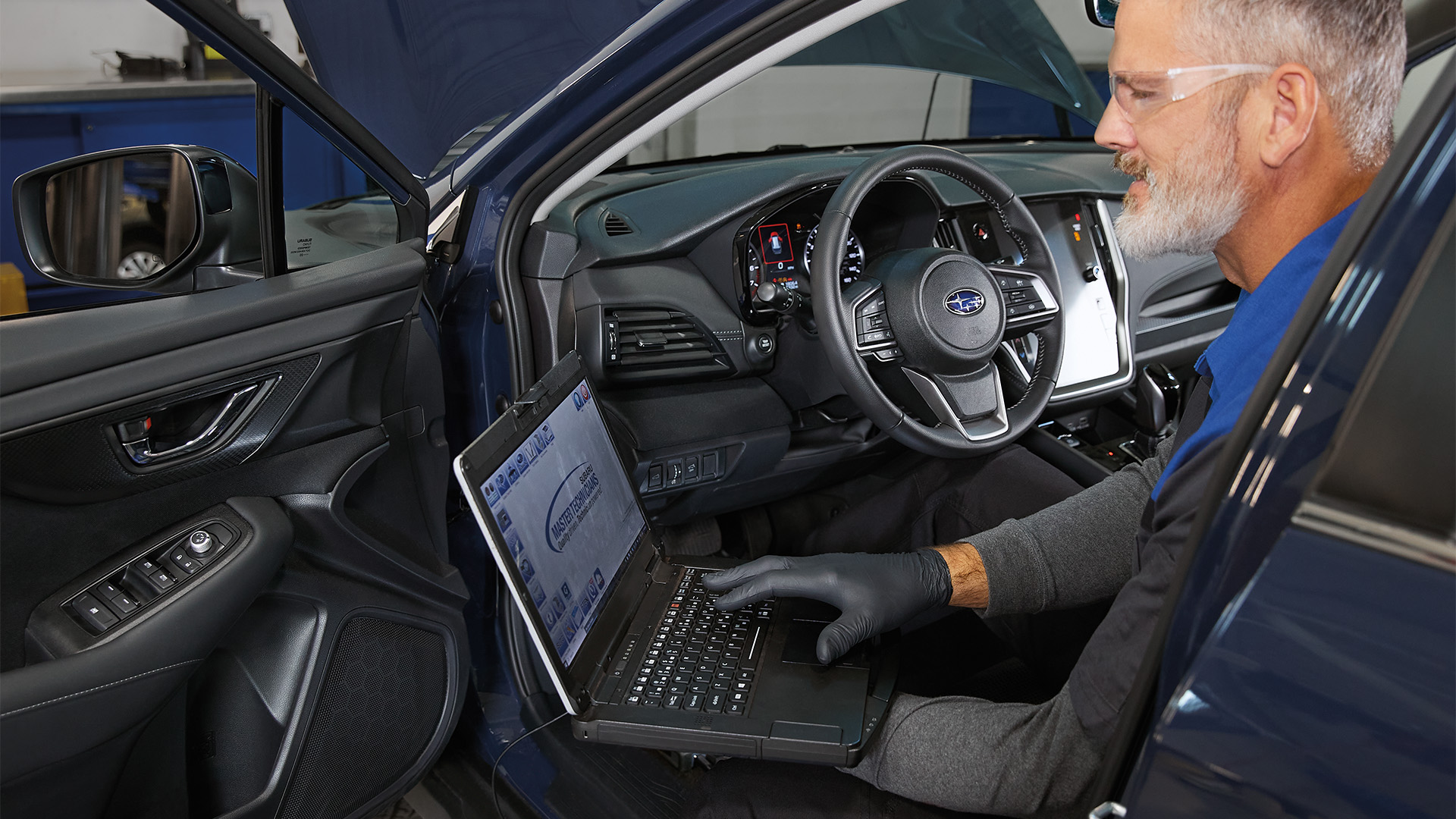
However, it can also signal more complex issues like a failing oxygen sensor, a misfiring spark plug, or a clogged catalytic converter. Because the light is generic, you cannot know the cause without a diagnostic tool. At Sunset Hills Subaru, we use factory-grade scanners to read the exact code stored in your car’s memory, ensuring we fix the problem right the first time.
Crucial Warning: If your Check Engine Light is flashing, this indicates a severe engine misfire. A flashing CEL means that unburned fuel is entering the exhaust system, which can overheat and destroy your catalytic converter in a matter of seconds—a very expensive repair. If the light flashes, reduce your speed and seek service immediately.
Regular maintenance is the best way to keep this light off. Many CEL triggers are related to neglected service items like old spark plugs or dirty air filters. If you are worried about the cost of repairs, you can Get approved for financing for your service needs to ensure your vehicle stays in top shape without breaking the budget. Don’t let a small sensor issue turn into a major overhaul.
Expert Diagnostics at Sunset Hills Subaru
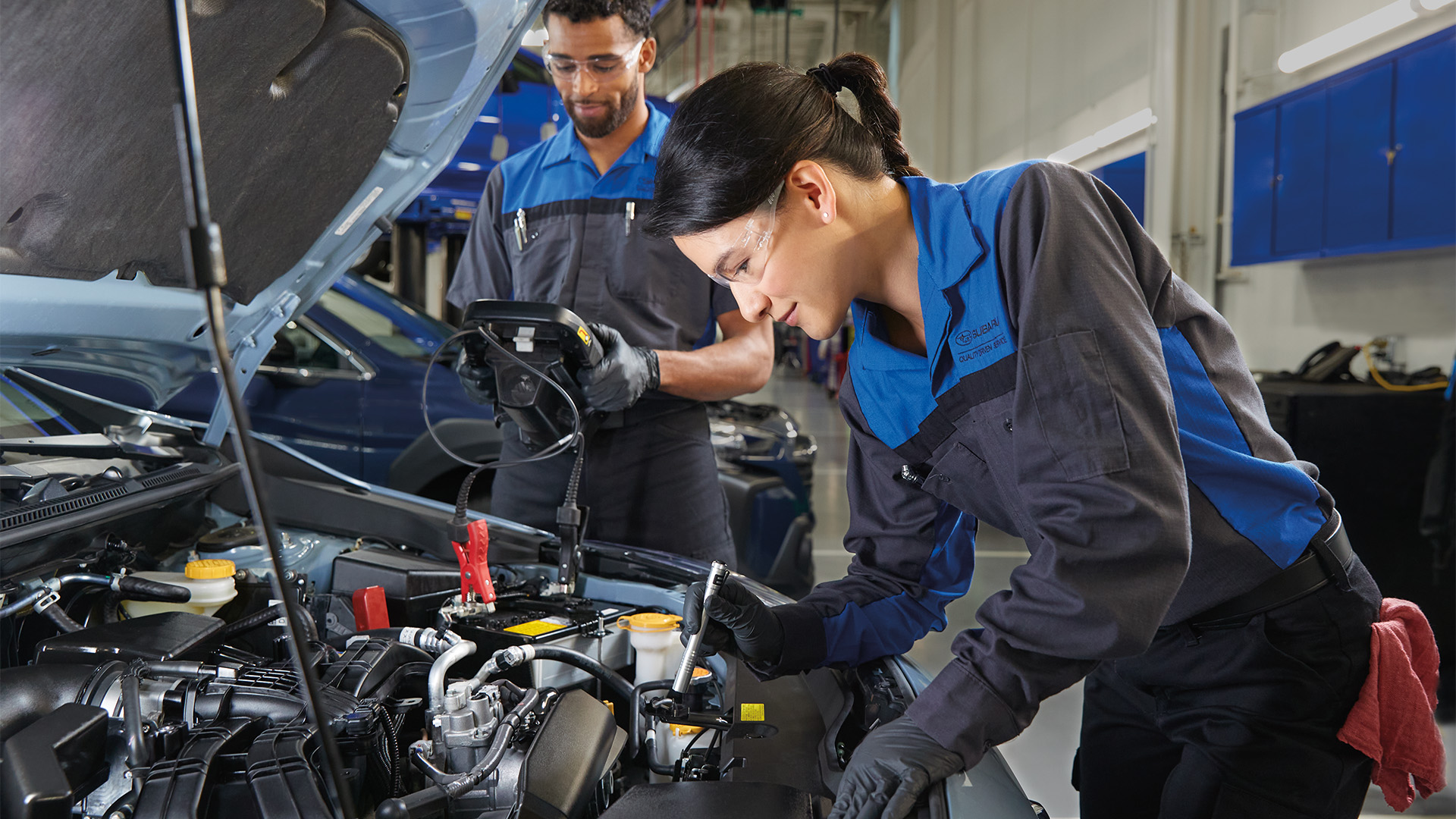
Why guess what that light means when you can know for sure? Our Sunset Hills service center is staffed by factory-trained technicians who live and breathe Subaru engineering. We don’t just clear the code; we find the root cause. Using the latest Subaru Select Monitor tools, we can view real-time data from your engine to pinpoint exactly what’s wrong, saving you time and money.
Subaru EyeSight® and Driver Assist Indicators
EyeSight 'Off' Light
If you see a yellow icon with a slash through a camera, EyeSight has been disabled. This often happens due to heavy rain, direct sunlight blinding the cameras, or a fogged-up windshield. It usually clears once conditions improve.
Pre-Collision Braking
This light indicates the system that automatically applies brakes to avoid a frontal collision is either active or disabled. If it stays yellow without you manually turning it off, the sensors may need calibration.
Lane Departure Warning
This flashes when the vehicle detects you are drifting out of your lane without a turn signal. If the light remains on steadily, there may be an issue with the steering angle sensor or camera alignment.
Drivetrain and Performance Icons
Your Subaru’s Symmetrical All-Wheel Drive is a masterpiece of engineering, but it requires specific monitoring. The AT OIL TEMP light is one you should never ignore. It indicates the transmission fluid is overheating. This often happens when towing heavy loads or driving through deep mud or snow. If this light comes on, stop the vehicle and let the engine idle until the light goes out.
We also have the AWD Warning Light. On some models, this indicates a mismatch in tire sizes. Because the AWD system is ‘always on,’ having one tire that is a different brand or significantly more worn than the others can cause mechanical strain. This is why we always recommend replacing tires in sets of four. If you’re looking for a fresh start, check out our New Subaru Inventory to see the latest in AWD technology.
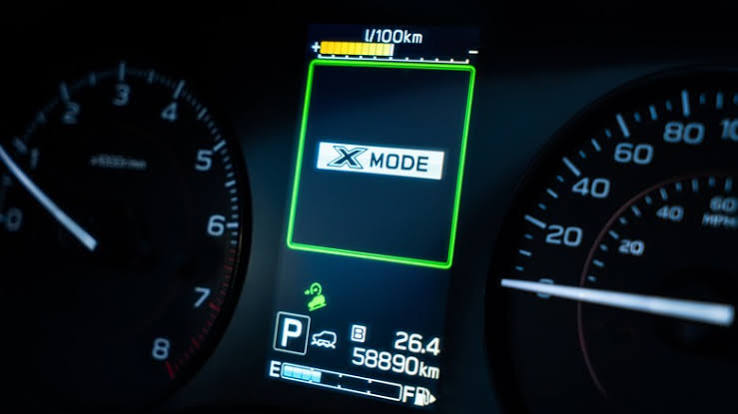
Adventure-ready models like the New Subaru Forester feature X-MODE. When active, this light shows the system is optimizing engine output and transmission ratios for low-friction surfaces. It’s an indicator of peak performance, not a warning, but it will automatically turn off once you exceed 25 MPH.
Tire Pressure and Safety Systems
TPMS Light
The horseshoe-shaped icon with an exclamation point. It means at least one tire is under-inflated. In Sunset Hills, shifting temperatures can cause this light to trigger as the air in your tires expands or contracts.
ABS Warning
Anti-lock Braking System. If this glows, your normal brakes will work, but you won’t have the pulse-braking feature that prevents skidding during emergencies. It’s often caused by a dirty wheel speed sensor.
VDC Light
Vehicle Dynamics Control. If this light flickers while you’re driving, it means the system is currently working to stabilize the car on a slippery road. If it stays on, the stability control system is deactivated.
Maintain Your Subaru Performance
The best way to keep your dashboard clear is through proactive, scheduled maintenance. Most warning lights are triggered by components reaching the end of their lifecycle. By following your Subaru’s maintenance schedule, we can replace these parts before they fail and leave you stranded. Explore our Current Service and Parts Specials to keep your vehicle running efficiently and affordably.
Green and Blue Indicator Lights
Not every light is a cause for alarm. The Blue Coolant Temperature Light is a common sight for Subaru owners. This light indicates that the engine coolant is below operating temperature. You should drive gently until the light turns off. If this light ever turns Red, however, you must stop immediately, as the engine is overheating.
Other green indicators include the Eco Mode light, which signals you are driving in a manner that maximizes fuel efficiency. For owners of the New Subaru Solterra Inventory, you may see specific indicators regarding regenerative braking and battery status. These are helpful tools to help you get the most out of every mile.
The High Beam Indicator (blue) and Turn Signal Indicators (green) are standard across all vehicles. Additionally, the Cruise Control Indicator will glow green when the system is ready and active. If these lights fail to appear when the systems are engaged, it could indicate a blown fuse or a faulty bulb in the instrument cluster itself.
Understanding these indicators allows you to focus on the road ahead. If you’re curious about how these features look in person, feel free to browse our Used Vehicle Inventory and take a test drive to see the dashboard in action.
Local Driving Conditions in Sunset Hills, MO
Today is June 15, 2026, and summer is in full swing here in Sunset Hills. Our humid Missouri summers and intense heat can be particularly hard on your Subaru’s sensors and battery. High temperatures can cause battery fluid to evaporate, leading to a Charge System Warning. Additionally, the heat causes tire pressure to rise, which might trigger your TPMS light if they were filled during a cooler spring day.
We frequently see drivers coming in from Watson Road with ‘phantom’ warning lights triggered by extreme weather. Our team knows how to calibrate your vehicle for local conditions, ensuring your sensors aren’t crying wolf. If you’ve been putting off a check-up, now is the perfect time to Schedule Service and Diagnostics before your next summer road trip.
The Risks of Ignoring Dashboard Warnings
Ignoring a warning light is like ignoring a smoke detector in your home. While the problem might be a simple battery replacement, it could also be the first sign of a major fire. In automotive terms, a small $150 sensor replacement today can prevent a $5,000 engine rebuild next month. For instance, a yellow transmission light might indicate a minor solenoid issue. If ignored, that solenoid could fail completely, causing internal damage to the gears.
Furthermore, warning lights often disable safety features. If your ABS or EyeSight lights are on, those systems may not intervene when you need them most. Safety is the core of the Subaru brand, and we want to ensure every feature is fully operational. If you’re worried about the trade-in impact of a glowing dashboard, Get your value trade today to see where you stand.
Another risk is fuel efficiency. A Check Engine Light related to an O2 sensor or fuel trim can reduce your MPG by up to 40%. In a city like Sunset Hills, where stop-and-go traffic is common, that adds up to hundreds of dollars in wasted fuel every year. By addressing lights early, you save money at the pump and at the repair shop.
We recommend keeping a small log of when lights appear—did it happen while accelerating, or while the engine was cold? This information is incredibly helpful for our technicians. Ready for an upgrade? Explore our Current New Car Specials and trade in your old vehicle for a new model with the latest diagnostic technology.
Genuine Subaru Parts vs. Aftermarket Sensors
Precision Calibration
Subaru sensors are calibrated to exact tolerances. Aftermarket parts often use ‘close enough’ logic, which can lead to recurring warning lights even after a repair is ‘finished.’ Genuine parts ensure perfect communication.
Warranty Protection
Using Genuine Subaru Parts installed at our dealership often comes with its own warranty protection. This gives you peace of mind that if the part fails again, you’re covered. Find Subaru Parts for your specific model here.
Vehicle Longevity
Your Subaru is built to last 200,000 miles and beyond. Using high-quality sensors and components is the only way to reach those milestones without constant electronic headaches. Invest in quality today for a better drive tomorrow.
Frequently Asked Warning Light Questions
Q: Can I drive with a yellow light?
A: Generally, yes, but only to your nearest service center. Avoid heavy acceleration or long trips until the issue is diagnosed.
Q: Why is my light flashing?
A: A flashing light is an emergency. It usually signifies a problem that is currently damaging a component, such as an engine misfire. Pull over safely.
Q: How do I reset my maintenance light?
A: While there are DIY ways, we recommend letting us reset it during your oil change. This ensures the system is correctly calibrated for your next interval.
Q: Will my car fail inspection with a light on?
A: In Missouri, a Check Engine Light is an automatic failure for emissions testing. It’s best to resolve it before your registration is due.
Proactive Care: Beyond the Dashboard
At Sunset Hills Subaru, we believe that the best warning light is the one that never turns on. Regular fluid checks, battery health tests, and tire rotations are the unsung heroes of vehicle reliability. When you bring your car in for a routine oil change, our technicians perform a multi-point inspection, looking for frayed belts, leaking gaskets, or corroded sensors that might trigger a light in the future.
This proactive approach is what keeps Subaru owners on the road longer than almost any other brand. Whether you drive a rugged New Subaru Outback or a performance-tuned New Subaru WRX, our commitment to your safety remains the same. Don’t wait for a signal—stay ahead of the curve and keep your Subaru running at peak efficiency for years to come.
Trust Sunset Hills Subaru for Your Service Needs
Whether you have a single amber light or a dashboard full of questions, the team at Sunset Hills Subaru is ready to help. Located at 10100 Watson Rd, Sunset Hills, MO 63127, we are conveniently positioned to serve the entire St. Louis area. Our state-of-the-art facility and expert staff ensure that your Subaru receives the care it deserves.
Don’t let dashboard lights dampen your driving experience. Get Directions to Sunset Hills Subaru and visit us today for a comprehensive diagnostic scan. We look forward to seeing you and keeping your Subaru adventure going strong.
Tags: check engine light repair, dashboard warning lights, Missouri Subaru repair, Subaru battery warning, Subaru brake system service, Subaru drivetrain service, Subaru EyeSight maintenance, Subaru Genuine Parts, Subaru Maintenance, Subaru Service Sunset Hills, Subaru warning lights, tire pressure monitoring system, vehicle diagnostics
Posted in
Maintenance & Service |
No Comments »