Blog / Subaru Motorsports

Exploring Subaru’s Rich History and Its Relationship with Toyota: An In-Depth Look

Subaru Ownership & History | Sunset Hills Subaru

Does Toyota Own Subaru? The Real Story Behind Their Partnership

Toyota and Subaru collaborate on vehicles and technology, but they are not the same company. Here is how the ownership relationship works, who builds Subaru vehicles, and why the partnership matters to drivers.

Minority stakeToyota's investment in Subaru Corporation
Separate brandsDistinct companies and vehicle lineups
Joint projectsSports cars and electric vehicles

Quick Answer: Is Subaru Owned by Toyota?

No. Toyota does not own Subaru outright. Toyota Motor Corporation is a major minority shareholder in Subaru Corporation, holding approximately one-fifth of its shares. Subaru Corporation remains a separate, publicly traded company responsible for the Subaru brand, its products, and its business operations.

The companies collaborate on selected vehicles, manufacturing, and technologies, but Toyota's shareholding does not make every Subaru a Toyota or mean that Toyota manufactures all Subaru vehicles.

Ownership Explained

How Much of Subaru Does Toyota Own?

Toyota owns approximately 20% of Subaru Corporation, making it a significant minority shareholder—not the sole owner. The precise percentage can change as companies report their shareholdings, so consult the latest corporate filings for a current figure.

Who owns Subaru?

Subaru Corporation is publicly traded and has multiple shareholders, including Toyota Motor Corporation.

Did Toyota buy Subaru?

Toyota acquired a minority interest and later increased its investment. It did not purchase 100% of Subaru Corporation.

Are Subaru and Toyota the same?

No. They maintain distinct brands, product strategies, dealer networks, and corporate identities.

The difference matters: an equity investment is not the same as complete ownership. Subaru can benefit from Toyota's scale and shared development while retaining its own identity and engineering priorities.

A Long-Term Alliance

How the Toyota–Subaru Partnership Developed

PeriodWhat happenedWhy it matters
2005–2006Toyota began its investment and strategic relationship with Fuji Heavy Industries, Subaru's former corporate name.Established the foundation for cooperation.
2012The Subaru BRZ and Toyota 86 sports cars reached the market as related products.Demonstrated shared engineering and production.
2017Fuji Heavy Industries changed its corporate name to Subaru Corporation.Aligned the company name with its automotive brand.
2019–2020The companies expanded their strategic alliance, including plans to increase Toyota's shareholding to roughly 20%.Deepened investment and technology collaboration.
2020sJoint electric-vehicle development produced the Subaru Solterra and Toyota bZ4X.Extended the relationship into battery-electric vehicles.

Dates summarize publicly announced milestones; ownership percentages should be checked against the latest Subaru Corporation investor disclosures.

Manufacturing & Engineering

Does Toyota Make Subaru Cars or Engines?

Subaru manufactures Subaru vehicles and engines, although specific jointly developed models and components reflect collaboration with Toyota. Subaru operates vehicle manufacturing in Japan and the United States, including Subaru of Indiana Automotive in Lafayette, Indiana. Production location depends on the model and model year.

Subaru is particularly associated with horizontally opposed SUBARU BOXER engines and Symmetrical All-Wheel Drive. These technologies are important parts of its engineering identity. Not every Subaru uses the same powertrain, however: battery-electric models differ from traditional BOXER-powered vehicles.

Does Toyota own Subaru's engine technology?

No. Subaru has its own engine-development heritage and production operations. Shared projects may combine technology and engineering expertise from both companies, but that does not mean Toyota designs or builds every Subaru engine.

Explore how Subaru's drivetrain approach works in our Symmetrical All-Wheel Drive guide.

Shared Vehicle Programs

Which Subaru and Toyota Vehicles Were Developed Together?

Subaru BRZ & Toyota 86 / GR86

These related rear-wheel-drive sports cars emerged from a joint program. They share core architecture but retain brand-specific tuning, styling, and equipment.

Explore Subaru BRZ inventory

Subaru Solterra & Toyota bZ4X

These battery-electric SUVs illustrate the companies' work on shared EV technology and vehicle development. Features and specifications vary by model and year.

Explore Subaru Solterra inventory

Future collaboration

Subaru and Toyota have discussed further electrification and technology cooperation. Specific future models, timing, and features should be treated as confirmed only when officially announced.

Browse current Subaru models

Shared development does not mean identical vehicles. Buyers should compare each model's current specifications, warranty, safety features, equipment, and driving characteristics rather than assuming every feature carries over.

The Subaru Story

Subaru History: From Aircraft Roots to the Six-Star Logo

Subaru's corporate heritage reaches back to the Nakajima Aircraft era and the postwar consolidation of several businesses into Fuji Heavy Industries in 1953. Subaru's automotive history developed from that industrial background, with the Subaru 360 becoming an early landmark in 1958.

The name Subaru refers to the Pleiades star cluster in Japanese and is associated with the idea of coming together. Its familiar six-star emblem reflects the company's origins in a merger of businesses. Fuji Heavy Industries officially adopted the name Subaru Corporation in 2017.

Subaru's emphasis on BOXER engines, all-wheel drive across much of its lineup, and distinctive utility vehicles helped the brand develop its own identity long before the modern Toyota partnership.

Choosing Between Brands

Is Subaru More Reliable Than Toyota?

There is no single permanent winner. Reliability rankings vary by publication, survey year, individual model, powertrain, and vehicle age. Both manufacturers have vehicles with strong ownership records, but a brand-level ranking cannot predict the condition or maintenance needs of a specific vehicle.

ConsiderationSubaruToyota
AWD availabilityStandard on many Subaru models; confirm by modelAvailable on selected models and trims
PowertrainsBOXER engines on many gas models; EV offerings also availableBroad range of gasoline, hybrid, and electric options
Vehicle selectionStrong emphasis on crossovers, SUVs, and selected performance modelsBroad lineup across cars, SUVs, trucks, and hybrids
Reliability decisionCompare the exact model year, service history, safety equipment, and independent model-specific data.

For St. Louis drivers, all-weather traction, cargo space, operating costs, and daily driving needs may matter more than a single brand ranking. You can learn more about Subaru ownership and maintenance in our Service Research Hub.

What It Means for Drivers

What Does the Toyota Partnership Mean for Subaru Buyers?

Subaru remains a distinct brand, so customers should shop Subaru vehicles based on their own design, equipment, safety systems, and driving experience. The partnership may support shared development and economies of scale, but it does not replace the need to compare individual vehicles.

At Sunset Hills Subaru, you can explore Outback, BRZ, and Solterra models, along with our new Subaru inventory and used vehicle inventory.

Already own a Subaru? Our Service Department and Parts Department can help with maintenance and genuine parts. You can also review service and parts specials, new vehicle specials, or value your trade.

Common Questions

Subaru and Toyota: Frequently Asked Questions

Does Toyota own Subaru?

Toyota owns a significant minority stake in Subaru Corporation, approximately 20%, but does not own the entire company.

Is Subaru a Toyota brand?

No. Subaru and Toyota are separate automotive brands operated by different companies, even though they collaborate on some products.

How much of Subaru does Toyota own?

Approximately one-fifth of Subaru Corporation. The exact percentage may change; Subaru's latest investor disclosures are the appropriate source for the current figure.

Did Toyota buy Subaru?

Toyota purchased a minority shareholding and expanded its strategic partnership. It did not acquire Subaru Corporation outright.

Does Toyota manufacture Subaru engines?

Subaru manufactures engines and develops its own powertrain technologies. Some joint projects use engineering contributions from both manufacturers.

Are the Subaru BRZ and Toyota GR86 the same car?

They are closely related sports cars developed through a joint program, but they are sold as distinct models with differences in styling, tuning, and equipment.

Are Subaru and Toyota electric vehicles related?

Yes. The Subaru Solterra and Toyota bZ4X were developed through collaboration, although specifications and features can differ.

Who owns Subaru Corporation?

Subaru Corporation is a publicly traded company with multiple shareholders, including Toyota Motor Corporation as a major minority investor.

Explore Subaru at Sunset Hills Subaru

Interested in what makes Subaru different? Compare today's models and find the right fit for your life in the St. Louis area.

Further Reading & Corporate Sources

For current ownership figures and official corporate information, consult Subaru Corporation Investor Relations and Toyota Global Newsroom. Subaru's corporate history is available through Subaru Corporation.

This article explains corporate relationships and selected historical projects. Shareholdings, model availability, and specifications can change. Last editorial update: November 2026.

Sunset Hills Subaru · 10100 Watson Rd, Sunset Hills, MO 63127 · (314) 476-9638
Posted in:

Related Posts

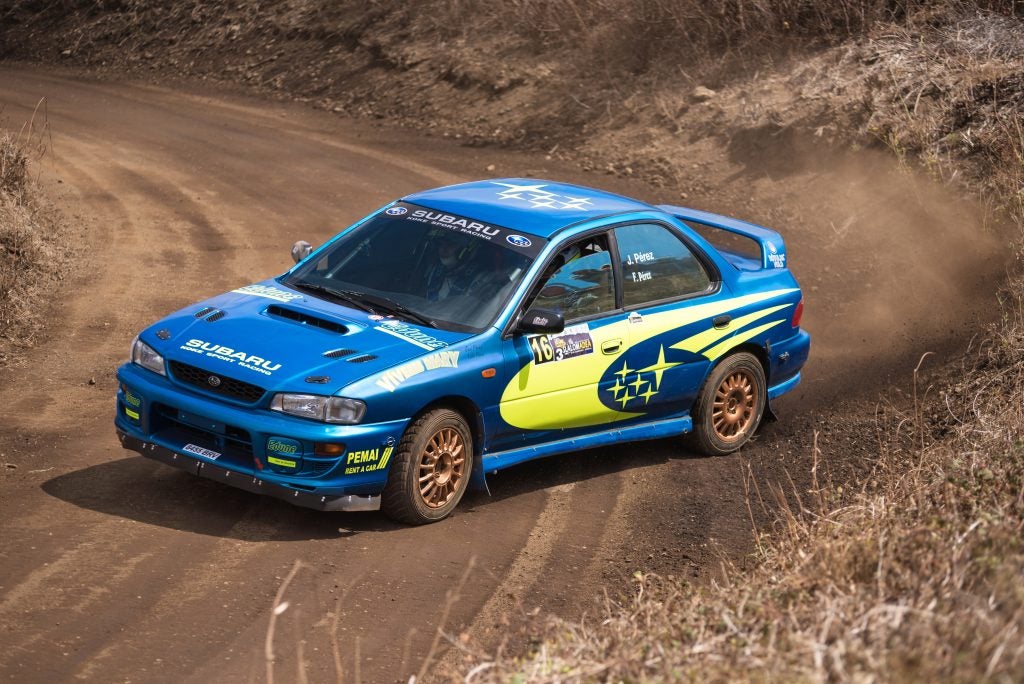
The Legacy of the Subaru Impreza Series McRae: An Icon in Rallying

La Palma, Spain - September 10, 2016: Subaru Impreza in Villa de Mazo on September 10, 2016 in La Palma, Canary island, Spain. The Legacy of the Subaru Impreza Series McRae: An Icon in Rallying The Subaru Impreza Series McRae is a legendary name in the world of motorsports, revered for its groundbreaking performance and iconic status among rally enthusiasts. Built to honor the rallying legend Colin McRae, this special edition Impreza was developed in collaboration with Prodrive, the team behind Subaru's World Rally Championship (WRC) successes. This article delves into the history, specifications, and enduring legacy of the Subaru Impreza Series McRae, exploring why it remains one of the most famous Subaru rally cars ever made. Table of Contents The Birth of a Legend: Subaru Impreza Series McRae Technical Marvel: Specifications and Features Colin McRae's Influence and Legacy Subaru's Rallying Dominance The Most Famous Rally Car Ever Made? Subaru's Continued Commitment to Rally Discover Your Own Subaru Experience The Birth of a Legend: Subaru Impreza Series McRae The Subaru Impreza Series McRae was introduced as a tribute to Colin McRae, one of the most charismatic and successful rally drivers in history. McRae's partnership with Subaru began in the early 1990s, and his aggressive driving style and numerous victories helped cement Subaru's reputation in the rallying world. The Series McRae edition was crafted to celebrate his contributions and achievements, blending performance with a touch of exclusivity. In collaboration with Prodrive, Subaru engineered the Impreza Series McRae to embody the spirit of rallying. The vehicle was not only a powerhouse on the track but also a symbol of innovation and excellence in automotive engineering. With limited production, this edition became a collector's item, cherished by enthusiasts and collectors alike for its historical significance and performance pedigree. The Series McRae was more than just a car; it was a testament to the synergy between driver and machine, showcasing Subaru's commitment to pushing the boundaries of what a rally car could achieve. This special edition played a pivotal role in solidifying Subaru's legacy in motorsports and continues to inspire new generations of rally fans and drivers. Technical Marvel: Specifications and Features The Subaru Impreza Series McRae was designed with performance at its core. It featured a turbocharged engine that delivered impressive horsepower and torque, making it a formidable contender on the rally stage. The car's symmetrical all-wheel drive system provided exceptional traction and handling, crucial for navigating the challenging terrains of rally courses. The vehicle's suspension system was meticulously tuned to absorb the shocks of rough terrains, ensuring stability and control even at high speeds. Aerodynamic enhancements further improved the car's performance, allowing it to slice through air resistance with ease. The inclusion of rally-specific tires maximized grip on various surfaces, from gravel to tarmac. Inside, the Impreza Series McRae offered a driver-focused cockpit, equipped with racing seats and harnesses for safety and comfort. The integration of advanced safety features, such as a roll cage and fire suppression system, underscored Subaru's commitment to driver and co-driver protection during intense rally competitions. The combination of cutting-edge technology, robust engineering, and McRae's rallying expertise made the Series McRae a technical marvel. It set a new standard for rally cars, influencing the design and development of future Subaru models and solidifying the brand's position as a leader in motorsports. Colin McRae's Influence and Legacy Colin McRae's impact on the world of rallying and Subaru's success cannot be overstated. His fearless driving style and competitive spirit made him a fan favorite and an inspiration to aspiring rally drivers. McRae's partnership with Subaru resulted in numerous victories, including the 1995 World Rally Championship Drivers' title, making him the youngest champion at the time. McRae's influence extended beyond his on-track achievements. He played a pivotal role in popularizing rallying, both through his dynamic performances and his involvement in video games and media. His legacy lives on in the hearts of rally fans and continues to inspire new generations of drivers. The Series McRae edition stands as a tribute to McRae's contributions to motorsports and his enduring legacy. It embodies the passion, skill, and dedication that defined his career and serves as a reminder of the indelible mark he left on the world of rallying. Subaru's Rallying Dominance Subaru's dominance in rallying is a testament to its commitment to excellence and innovation. The brand's all-wheel drive technology and engineering prowess have made it a formidable force in the World Rally Championship. With three consecutive Manufacturers' titles from 1995 to 1997, Subaru established itself as a powerhouse in the sport. The Impreza Series McRae played a crucial role in this success, showcasing the capabilities of Subaru's engineering and the skill of its drivers. The car's performance on the rally stage helped elevate Subaru's reputation and attract a loyal following of fans and enthusiasts. Subaru's rallying legacy continues to thrive, with the brand consistently delivering high-performance vehicles that excel on and off the track. The Impreza Series McRae remains a symbol of Subaru's rallying heritage and its unwavering commitment to pushing the boundaries of what is possible in motorsports. The Most Famous Rally Car Ever Made? While the Subaru Impreza Series McRae is undoubtedly one of the most famous Subaru rally cars, the title of the most famous rally car ever made is often debated. The Audi Quattro, with its revolutionary four-wheel drive system, is frequently cited as a game-changer in the world of rallying. Its impact on the sport was profound, setting new standards for performance and technology. However, the Impreza Series McRae holds a special place in the hearts of rally fans for its association with Colin McRae and its role in Subaru's rallying success. Its blend of performance, innovation, and historical significance makes it a strong contender for the title of the most famous rally car. Ultimately, the legacy of the Impreza Series McRae is a testament to the enduring appeal of rallying and the passion it inspires in drivers and fans alike. Its place in motorsports history is secure, and its influence continues to be felt in the world of rallying today. Subaru's Continued Commitment to Rally Subaru's commitment to rallying remains as strong as ever. Through Subaru Motorsports USA, the brand continues to participate in events across the United States, including the American Rally Association and Nitro Rallycross. With a focus on innovation and performance, Subaru's rally team consistently delivers impressive results and maintains the brand's legacy in motorsports. Drivers like Travis Pastrana and Brandon Semenuk carry the torch for Subaru, competing at the highest levels and showcasing the capabilities of Subaru's vehicles. The team's success in recent years, including multiple championships, underscores Subaru's dedication to excellence and its role as a leader in the rallying community. For rally enthusiasts and Subaru fans, the brand's ongoing involvement in motorsports is a source of pride and excitement. Subaru's commitment to rallying ensures that the spirit of competition and innovation continues to thrive, inspiring future generations of drivers and fans. Discover Your Own Subaru Experience For those inspired by the legacy of the Subaru Impreza Series McRae and the brand's rallying heritage, experiencing a Subaru firsthand is a must. Whether you're interested in the latest models or exploring the history of Subaru's rally cars, visiting a Subaru dealership offers a unique opportunity to connect with the brand's storied past and exciting future. At Sunset Hills Subaru, located at 10100 Watson Rd, Sunset Hills, MO 63127, USA, you can explore a wide range of vehicles, including the New Subaru Inventory and Used Vehicle Inventory. Discover the power and performance that have made Subaru a leader in rallying and experience the thrill of driving a Subaru for yourself. For those looking to enhance their Subaru experience, consider customizing your vehicle with accessories from our Accessories Department. Whether you're interested in performance upgrades or practical additions, our team can help you find the perfect enhancements for your Subaru. To learn more about Subaru's rallying legacy and explore the latest models, visit us at Sunset Hills Subaru or call us at (314) 476-9638 to schedule a test drive today. Experience the thrill of Subaru and discover why it's a brand that continues to inspire and excite drivers around the world. © 2025 Sunset Hills Subaru. All rights reserved.

Eyesight calibration

Are Subaru Safety Sensors and EyeSight Cameras Reliable as Cars Age?

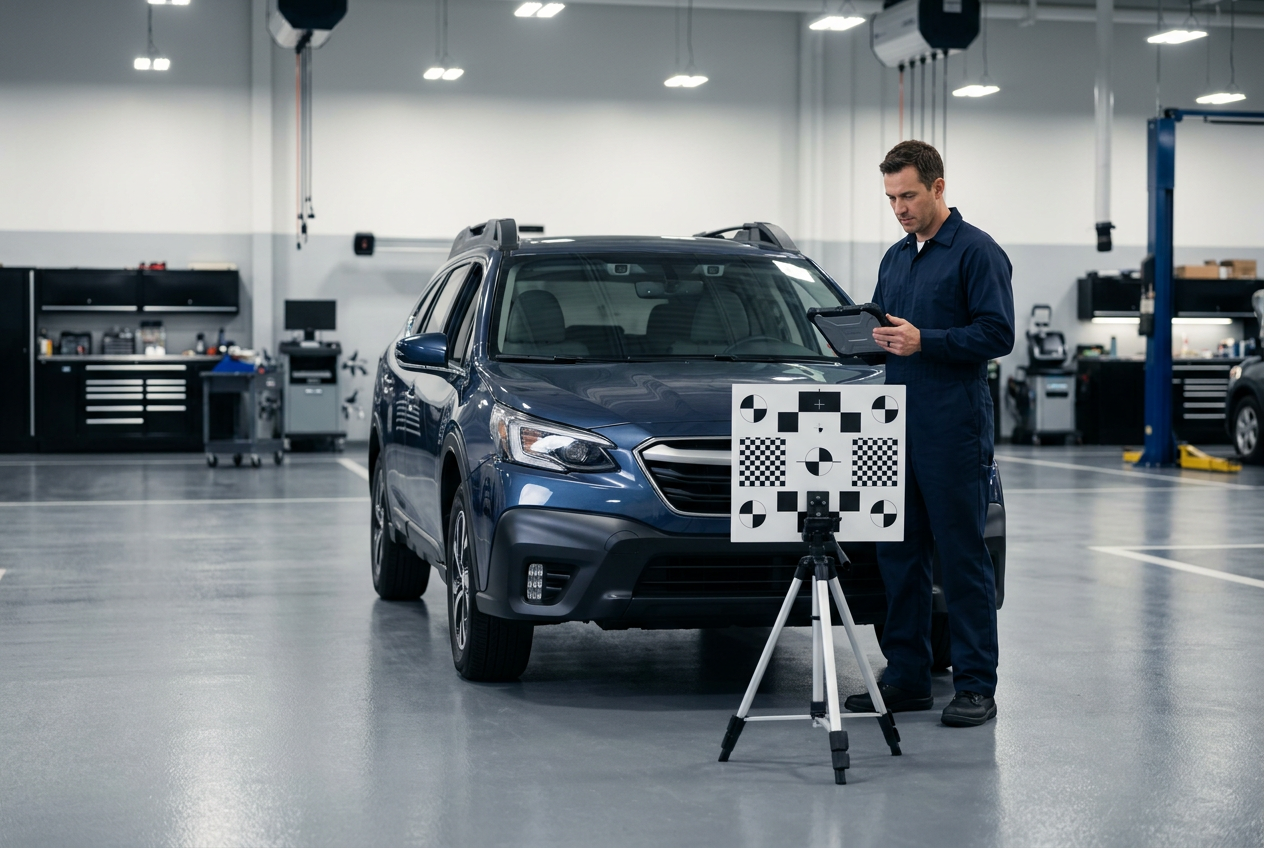
The direct answer is yes. Subaru EyeSight stereo cameras and rear radar modules are solid-state electronic systems engineered to endure well beyond 10 to 15 years and over 200,000 miles without fundamental mechanical degradation. Unlike moving mechanical parts subject to physical friction, solid-state sensors do not simply wear out from accumulated mileage. Drivers across Greater St. Louis routinely pilot decade-old Foresters and Outbacks with fully functioning driver-assist systems intact. However, long-term reliability is not entirely maintenance-free. While the optical processing units and internal microchips remain durable, the system relies on external variables: optical clarity through the windshield, precise physical calibration, electrical voltage stability, and vulnerability to severe weather. As your vehicle passes the 100,000-mile mark, issues rarely stem from internal electronics; instead, they result from road debris pitting the glass, uncalibrated windshield replacements, or failing 12-volt battery power. When maintained properly, Subaru EyeSight remains one of the most durable and cost-effective advanced driver-assistance systems (ADAS) in the automotive industry. How Subaru EyeSight Hardware Operates Over 100,000 Miles and Beyond Unlike the majority of automotive manufacturers who place radar modules and ultrasonic sensors exposed inside front grilles or lower bumpers, Subaru engineered EyeSight around high-mounted stereo optical cameras. Positioned safely inside the vehicle's upper windshield frame, these dual lenses mimic human binocular vision to calculate distance, relative velocity, and object shapes. This deliberate placement delivers a major long-term reliability benefit: the primary electronic hardware remains shielded inside a climate-controlled passenger cabin. It avoids gravel strikes, road salt, corrosive brine, minor parking lot collisions, and moisture intrusion that routinely ruin bumper-mounted radar arrays on competing crossovers. Because optical glass and camera sensors experience zero mechanical movement, system fidelity remains sharp well past six-digit odometer readings as long as the windshield glass remains clean and chip-free. Why Older Subaru EyeSight Cameras Temporarily Disable When an EyeSight warning indicator illuminates alongside an amber dashboard prompt, many owners assume the hardware has permanently failed. In reality, Subaru utilizes a fail-safe operating design: rather than making inaccurate calculations under compromised visual conditions, the system safely disables itself until sightlines return to baseline. Atmospheric Moisture & Frost During humid Missouri autumn mornings and freezing winter conditions, condensation, frost, or interior windshield fog directly over the stereo lenses blocks visibility. Running the front windshield defroster cleared the line of sight within minutes, restoring full functionality. Direct Solar Glare Driving directly into dawn or dusk sun angles can temporarily blind optical lenses much like human eyes. Once the road changes heading or the sun passes overhead, the cameras recalibrate their exposure levels and re-engage automatic cruise and pre-collision systems. Interior Glass Haze Over years of ownership, dashboard plastic outgassing and cabin dust create an invisible oily sheen across the interior glass. Routine gentle cleaning of the windshield glass around the camera aperture ensures pristine optical clarity for reliable processing. Windshield Replacements and Sensor Recalibration: Critical Care for Aging Subarus The most frequent trigger for safety sensor trouble on older Subarus is improper windshield replacement. Genuine Subaru OEM glass is engineered with specific optical distortion tolerances, acoustic sound dampening, and heated camera defrosting grids built directly into the upper viewing aperture. When third-party glass shops install non-OEM windshields with minor microscopic ripples, stereo cameras experience refraction errors, causing adaptive cruise dropouts or false lane-departure warnings. Furthermore, every windshield replacement demands professional dynamic and static recalibration. Using factory diagnostic targets, technicians align camera focal points precisely to the chassis ride height. Skipping this step risks compromised emergency braking performance. Schedule Service and Diagnostics Warning Signs of Aging EyeSight and Blind-Spot Sensor Malfunctions Understanding the difference between normal visual cutouts and genuine electronic faults keeps your vehicle operating safely without unnecessary repair expenditures. Persistent Amber Warnings If the EyeSight OFF amber warning remains lit on clear days during normal driving, the electronic control module has registered an active Diagnostic Trouble Code (DTC). This indicates an electrical fault, connection loss, or camera hardware problem rather than environmental blindness. Rear Radar BSD/RCTA Alerts Blind Spot Detection (BSD) and Rear Cross-Traffic Alert (RCTA) use radar modules tucked behind the rear bumper cover. On higher-mileage vehicles, road salt accumulation or minor bumper impacts can bend the mounting brackets, causing false alerts or system shutdown. Adaptive Cruise Dropouts Sudden disengagement of adaptive cruise control on smooth highway stretches without adverse weather points toward subtle camera angle drift or an aging 12-volt battery unable to maintain stable reference voltage under electrical accessory load. EyeSight Durability vs. Boxer Engine and Symmetrical AWD Longevity When assessing whether Subaru safety sensors hold up over time, comparing electronic longevity to the mechanical powertrain provides valuable perspective. Does Subaru Symmetrical AWD outlast electronic on-demand AWD systems? In practice, Subaru's continuous mechanical AWD layout uses full-time torque distribution through robust planetary gearsets or electronic multi-plate transfer clutches. Unlike front-wheel-drive systems that rely on delayed electronic clutch packs when front slippage occurs, Subaru Symmetrical AWD distributes power continuously, reducing sudden torque spikes and wear. Meanwhile, modern Subaru Boxer engines have addressed historical head-gasket vulnerabilities with multi-layer steel gaskets, though common maintenance focal points around 120,000 to 150,000 miles include monitoring minor oil seepage around cam carriers, PCV valve cleanliness, and CVT valve body solenoid function. Remarkably, the EyeSight optical cameras and safety sensors routinely exhibit fewer failure rates and lower maintenance costs over 150,000 miles than either engine accessory gaskets or suspension bushings. The 200,000-Mile Club: What Percentage of Subarus Make It Past 10 Years? According to industry registration data from Experian and automotive lifespan studies, an impressive many Subarus sold over the past 10 years are still on the road today. The average lifespan of a Subaru spans 12 to 15 years, with typical mileage potential reaching 200,000 to 250,000 miles when following factory service schedules. Subaru Outback The Outback consistently ranks among the top five passenger vehicles in America most likely to surpass 200,000 miles, driven by rugged chassis design and durable Lineartronic CVT cooling systems. Subaru Forester With its upright greenhouse glass structure and accessible mechanical layout, the Forester remains an enduring favorite for high-mileage commuters seeking long-term ownership with low depreciation. Subaru Crosstrek Built upon the rigid Subaru Global Platform, the Crosstrek delivers exceptional chassis stiffness and proven suspension components that easily weather harsh Midwest roadway freeze-thaw cycles. Get your value trade Subaru Maintenance Schedules and Warning Signs of a Failing CVT What maintenance is required to keep a Subaru running past 200,000 miles? Factory guidance calls for regular servicing every 6,000 miles or six months, whichever arrives first, encompassing synthetic engine oil, OEM oil filters, and tire rotations. Key milestones occur at 30,000 miles (brake fluid and cabin/engine filters), 60,000 miles (spark plugs and differential fluids), and 90,000 miles. How often should you replace the CVT fluid in a Subaru? While factory literature lists CVT fluid as inspected periodically under normal driving, severe driving conditions—including stop-and-go commuting, freezing winter conditions, and hilly terrain—warrant fluid exchange every 30,000 to 60,000 miles. Warning signs of a failing Subaru CVT include noticeable shuddering or bucking under steady acceleration, delayed engagement between Park, Reverse, and Drive (longer than 1.5 seconds), high-pitched whining or grinding noises from worn pulley bearings, or sudden dashboard illumination of the AT Oil Temp warning lamp. Service Interval Recommended Maintenance Item System Impact Every 6,000 Miles Full Synthetic Oil, OEM Filter, Tire Rotation Engine longevity, AWD torque balance 30,000 Miles Brake Fluid Flush, Air & Cabin Filter, Severe CVT Inspection Braking response, EyeSight camera clarity 60,000 Miles Front/Rear Differential Fluid, Spark Plugs, CVT Fluid Flush Drivetrain durability, transmission efficiency 90,000–105,000 Miles Coolant Flush, Accessory Belts, Suspension Bushing Check Thermal regulation, ride height & ADAS aim How Subaru Safety Reliability Compares to Honda CR-V and Toyota RAV4 Evaluating how Subaru reliability compares to the Honda CR-V and Toyota RAV4 requires looking at ADAS architecture, repair expenses, and manufacturer warranties across multi-year ownership. Subaru EyeSight Subaru mounts optical cameras inside the cabin, avoiding bumper radar road damage. The 2027 Forester includes a 3-year/36,000-mile basic warranty and 5-year/60,000-mile powertrain warranty, while the 2027 Crosstrek Limited Hybrid includes an 8-year/100,000-mile hybrid warranty. High long-term owner satisfaction stems from lower grille repair costs. Honda Sensing Honda CR-V pairs a windshield camera with a millimeter-wave radar in the lower grille. While highly accurate in heavy downpours, low bumper radar units are vulnerable to rock damage, parking dings, and bracket misalignments that require costly front-end teardown recalibrations after five to eight years. Toyota Safety Sense Toyota RAV4 uses emblem-integrated millimeter-wave radar coupled with monocular cameras. While exceptionally dependable overall, emblem replacements after minor front collisions carry high parts replacement expenses, though long-term software support remains dependable past 10 years. Is It Worth Buying a Used Subaru with Over 150,000 Miles? Is it worth buying a used Subaru with over 150,000 miles? Yes, provided you complete a focused pre-purchase inspection. A high-mileage Subaru that received verified 6,000-mile oil changes and regular transmission fluid servicing represents strong value for shoppers. Pre-Purchase Inspection Checklist: • EyeSight Camera Scan: Verify diagnostic trouble codes with a scan tool to confirm zero stored optical sensor faults. • Windshield Clarity: Check that the windshield is either OEM Subaru glass or high-grade glass with zero stone chips in the camera path. • Rear Radar Brackets: Inspect under the rear bumper cover for excessive rust or bent radar brackets. • CVT Drive Test: Confirm smooth low-speed throttle transitions without hesitation or shuddering. • Suspension & Alignment: Worn control arm bushings or sagging springs alter suspension geometry, which directly affects lane-keep assist precision. Used Vehicle Inventory Navigating Chesterfield, Maryland Heights, and Ladue Commutes with Older EyeSight Systems Chesterfield Valley River Fog & Highway 40 St. Louis drivers regularly encounter dense microclimate river fog along I-64/Highway 40 through Chesterfield Valley. Because EyeSight relies on optical contrast, heavy fog may prompt a brief system standby alert. Maintain generous following distances and let your vehicle's symmetrical AWD keep traction secure until valley fog burns off. Rolling Ladue Hills & Maryland Heights Grime Negotiating winding tree-canopied lanes through Ladue creates sudden transitions from deep tree shade to intense morning glare. Meanwhile, commuter traffic near Maryland Heights lakes often splatters road film across windshields during autumn storms. Fresh wiper blades and quality washer fluid preserve instant optical camera clarity. Maintain Your Subaru EyeSight and Safety Systems at Sunset Hills Subaru Whether you are driving a 2015 Outback with over 150,000 miles or looking ahead to the latest 2027 Forester with 3-year/36,000-mile basic and 5-year/60,000-mile powertrain coverage, proper maintenance ensures your safety sensors remain factory-precise. At Sunset Hills Subaru, our factory-certified technicians utilize specialized optical calibration boards, genuine OEM glass, and Subaru diagnostic tools to keep your driver-assist systems in peak condition. Visit us at 10100 Watson Rd in Sunset Hills, MO 63127, or speak directly with our service specialists by calling Call (314) 476-9638. Need directions from Chesterfield, Maryland Heights, or Ladue? Simply Get Directions to Sunset Hills Subaru and experience dedicated support from St. Louis area Subaru experts. Get Directions to Sunset Hills Subaru Subaru EyeSight in Sunset Hills, MO | Sunset Hills Subaru

Tech Inspecting a Subaru

Certified Pre-Owned Subaru Inspection in Sunset Hills MO | Sunset Hills Subaru

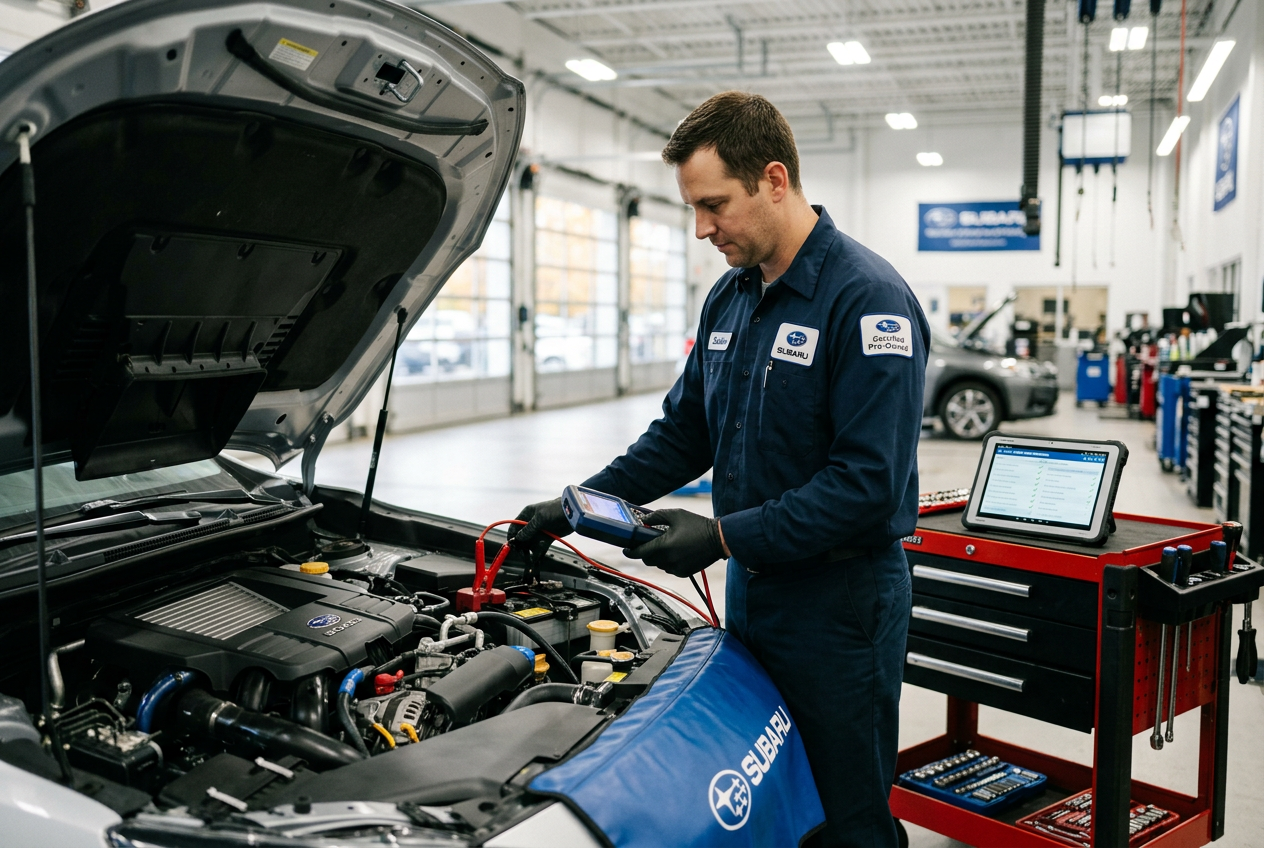
When you are shopping for a pre-owned vehicle, total clarity is not just a luxury—it is an absolute necessity. At Sunset Hills Subaru, located at 10100 Watson Rd, Sunset Hills, MO 63127, we strongly encourage every car buyer to thoroughly examine the completed, technician-signed 152-point inspection report before signing any paperwork or placing a deposit. You have the right to know the exact mechanical, electrical, and cosmetic condition of any Certified Pre-Owned (CPO) Subaru on our lot. Transparency is the bedrock of our dealership philosophy. When you examine our official 152-point inspection report, you are not just getting a simple checkbox sheet; you are receiving an itemized diagnostic assessment performed by factory-certified Subaru technicians. Coupled with a detailed CARFAX® Vehicle History Report, this documentation reveals tire tread depth, brake pad thickness, fluid conditions, road-test observations, and any OEM parts replaced during our rigorous reconditioning process. Whether you commute daily down I-270 or navigate winter weather across St. Louis County, knowing your Subaru has been thoroughly vetted gives you unmatched peace of mind. If you are ready to explore our current selection of thoroughly inspected vehicles, take a look at our up-to-date Used Vehicle Inventory or reach out directly to our team at Call us at (314) 476-9638. We are always happy to print out or email full inspection reports for any vehicle in stock. Explore Certified Used Vehicles What Is Included in the Official Subaru Certified Pre-Owned 152-Point Inspection? The Subaru Certified Pre-Owned 152-Point Inspection leaves no stone unturned. Every vehicle must satisfy strict factory guidelines covering mechanical performance, active safety technology, structural integrity, and cabin appearance before it can be designated as CPO. 1. Powertrain & Mechanical Operations: Technicians evaluate engine idle quality, valve noise, cooling system pressure, exhaust emissions, and transmission shift smoothness. Special attention is given to Subaru's signature BOXER® engine components, including head gaskets, serpentine belts, and oil seals. 2. Symmetrical All-Wheel Drive (AWD): The transfer case, rear differential, driveshaft universal joints, and CV axle boots undergo thorough physical inspection to guarantee flawless torque distribution across all four wheels. 3. Advanced Safety Equipment (EyeSight® Driver Assist): Camera alignment, Adaptive Cruise Control, Pre-Collision Braking, and Lane Keep Assist functions are operational-tested and calibrated against Subaru factory specifications. 4. Brakes, Tires & Suspension: Brake pads must have at least 50% remaining life (measured in millimeters), brake rotors are checked for runout and thickness, and tires must match factory load ratings with a minimum remaining tread depth of 5/32". Shocks, struts, and sway bar links are checked for fluid leakage or excessive play. 5. Electrical & Interior Comfort: Heating/AC performance, infotainment touchscreens, STARLINK® connectivity, power seats, power windows, and sunroof operation are individually tested. 6. Road Test & Final Assessment: The technician conducts an extensive road test to verify cold-start behavior, high-speed stability, braking feel, wind noise, and steering alignment. Who Performs the Subaru CPO 152-Point Inspection and How Are Standards Enforced? Not all mechanics or inspections are created equal. A generic safety check from an independent used car lot or neighborhood garage often consists of a quick 15-minute visual sweep. In contrast, an official Subaru CPO inspection can take several hours and must adhere to strict manufacturer criteria enforced by Subaru of America. Factory-Trained Technicians Only technicians who have completed specialized Subaru Academy training are authorized to perform CPO inspections. They understand the nuances of BOXER engine configurations, symmetrical AWD differentials, and complex electrical systems inside models like the Outback, Forester, and Crosstrek. Proprietary Diagnostic Tools Our service center utilizes Subaru SSM4 (Select Monitor) diagnostic software to scan all electronic control units (ECUs). This uncovers hidden trouble codes, past software updates, and electronic calibration issues that generic OBD-II scanners simply cannot detect. Audit Compliance & Audits Subaru of America regularly audits dealership CPO records and vehicle files. If a dealership signs off on sub-standard parts or incomplete inspection forms, they risk losing their CPO certification privileges. Every signed form represents a binding standard of quality. What Happens If a Component Fails the Subaru 152-Point Inspection? A vehicle does not earn the Subaru Certified Pre-Owned badge simply by rolling onto our lot—it earns it through reconditioning excellence. When a component fails any part of the 152-point inspection, Sunset Hills Subaru follows a strict standard protocol: Repair, Replace with Genuine OEM Parts, or Disqualify. If brake rotors show excessive wear or pads are below the 50% threshold, they are replaced with new Genuine Subaru brake pads and rotors. If tires are worn down past 5/32", a full new set of factory-approved tires is installed. Non-matching aftermarket components are removed and replaced with authentic Subaru parts. If a vehicle has unrepairable structural frame damage, flooding history, major engine block compromises, or an incomplete service record, it is permanently disqualified from receiving official Subaru CPO status. We maintain these high standards so drivers in St. Louis can buy with total assurance. Need maintenance on your current vehicle? You can trust our certified team for routine care and repair. Schedule Service and Diagnostics online anytime. Schedule Service and Diagnostics Can Independent Used Car Dealers Sell Official Subaru CPO Vehicles? The short answer is NO. Independent used car dealerships, corner car lots, and non-franchised auto retailers CANNOT sell official Subaru Certified Pre-Owned vehicles, nor can they attach factory-backed Subaru CPO warranties to any vehicle. While independent dealers may advertise a pre-owned Outback or Forester as "certified," this refers only to an in-house or third-party warranty program with limited coverage and strict claim exclusions. Only franchised, authorized Subaru dealerships—such as Sunset Hills Subaru —have the direct factory authorization to issue a genuine Subaru CPO 7-year/100,000-mile powertrain warranty, transferrable roadside assistance benefits, and official technician sign-offs. For car buyers in Maryland Heights, Chesterfield, Kirkwood, and Sunset Hills, buying from an authorized Subaru dealer helps ensure your warranty coverage is honored at Subaru dealerships across the United States and Canada, subject to applicable warranty terms. What Age and Mileage Limits Apply to Subaru CPO Qualification? Subaru maintains strict eligibility cutoffs for its Certified Pre-Owned program. To even qualify for the 152-point inspection, a vehicle must meet three rigid entry parameters: Model Age Limit: Must be 5 model years old or newer (for example, in 2026, eligible model years span 2021 through 2026). Mileage Cap: Must have fewer than 80,000 total odometer miles. Clean Vehicle History: Must possess a clean title and CARFAX report free of total-loss accidents, frame damage, or lemon law buybacks. What about older Subaru models? Subarus are legendary for longevity—with over 96% of Subaru vehicles built in the last 10 years still on the road today. Older or higher-mileage Subaru models (such as a 2018 Outback with 95,000 miles) that exceed CPO criteria still undergo comprehensive safety checks at Sunset Hills Subaru. While they are sold as reliable standard pre-owned vehicles rather than official CPO, they represent incredible value for budget-conscious buyers. What Warranty and Inspection Benefits Does a Subaru CPO Add Over a Regular Used Subaru? 7-Yr/100,000-Mi Powertrain Factory-backed powertrain protection covers engine, transmission, and AWD drive systems with a $0 deductible per covered repair visit. Standard used cars are typically sold 'As-Is' or with limited 30-day dealer warranties. 152-Point Complete Report Full access to the signed, technician-certified checklist documenting exact brake thickness, tire depths, fluid health, and reconditioning service details. Non-certified used cars rarely provide itemized inspection metrics. 24/7 Roadside Assistance Includes round-the-clock emergency towing, flat-tire changes, battery jumpstarts, lockout assistance, and trip interruption coverage across North America. Regular used cars may require separate third-party roadside coverage. How Much More Does a Subaru CPO Cost Compared to a Non-Certified Used Subaru? On average, a Certified Pre-Owned Subaru commands a price premium of approximately $1,000 to $2,000 over an equivalent non-certified pre-owned Subaru of similar age and mileage. What accounts for this modest price difference? The CPO price reflects the cost of extensive reconditioning (such as installing new OEM tires, fresh brake pads, and factory fluid flushes) plus the inclusion of the Subaru 7-year/100,000-mile factory warranty. Furthermore, Contact our team for current financing options for Certified Pre-Owned models. Want to offset your purchase price even further? Discover what your current vehicle is worth today with our quick tool: Get your trade value. Get Approved For Financing Does the CPO Price Premium Offset Long-Term Repair Costs Over 5 Years? When evaluating vehicle purchases, focusing solely on the sticker price is a common mistake. Smart car buyers consider the Total Cost of Ownership (TCO) over a 5-year period. In almost every practical financial comparison, paying an extra $1,200 to $1,500 upfront for a Subaru CPO vehicle saves you thousands of dollars in out-of-pocket expenses down the line. Consider standard maintenance costs: replacing four quality tires and upgrading worn brake pads and rotors on an AWD crossover can easily cost $1,200 to $1,800. If an un-certified used car requires those components shortly after purchase, your initial savings vanish immediately. Add potential major repairs—such as an AC compressor or wheel bearing replacement—and non-certified vehicles become significantly more expensive. Ownership Financial Factor Standard Non-Certified Used Subaru Official Subaru Certified Pre-Owned (CPO) Upfront Purchase Price Lower (Saves ~$1,200 - $1,800 initially) Slightly Higher (Reflects inspection & reconditioning) Immediate Wear Item Risk (Brakes/Tires) High (Buyer often pays for tires/brakes within year 1) Zero (Guaranteed 50%+ brake life & 5/32" tire tread) Powertrain Warranty Protection None / Remaining Factory (If applicable) 7-Year / 100,000-Mile Factory Warranty ($0 Deductible) Emergency Roadside Service Out-of-Pocket / AAA Membership Fee Included Free 24/7/365 Nationwide Financing Rates (APR) Standard Used Car Rates Subaru Incentive CPO Rates (Lower monthly payment) 5-Year Total Financial Value Higher Risk of Unexpected Expenses Significantly Lower Total Cost of Ownership Should You Buy a New Subaru or a Certified Pre-Owned Subaru in St. Louis? Buying Brand-New Ideal if you want zero miles, full factory bumper-to-bumper warranty from day one, customized color choices, and the latest generation infotainment and safety tech. Check out New Subaru Inventory to see latest models. Buying Certified Pre-Owned Perfect if you want to bypass initial vehicle depreciation while enjoying factory-backed protection extending up to 100,000 miles. Explore popular options like the New Subaru Outback Inventory or New Subaru Forester Inventory. St. Louis Driving Factors Whether commuting from Chesterfield or taking weekend trips to Ozark state parks, both new and CPO Subarus deliver standard Symmetrical All-Wheel Drive designed to handle slippery winters and severe spring thunderstorms. What Additional Perks Come with a Subaru CPO Purchase? Beyond the 152-point inspection and 7-year/100,000-mile warranty, purchasing a Certified Pre-Owned Subaru includes a suite of valuable owner benefits: 24/7 Roadside Assistance: Fuel delivery, tire change service, lockout assistance, and battery jumpstarts anywhere in North America. Rental Car Allowance & Towing: Coverage for rental vehicle expense and emergency towing if warranty repairs require shop downtime. 3-Month SiriusXM® Trial: Satellite radio access included with factory audio system setup. $500 Subaru Owner Loyalty Coupon: A loyalty offer toward your next new or CPO Subaru purchase or lease within the brand family. CARFAX® Vehicle History Report: Complete transparent documentation on past service history, ownership records, and registration details. Value Your Trade-In How to Request and Analyze a CPO Inspection Checklist Before Buying Reviewing your vehicle's inspection report is straightforward. Here is our recommended step-by-step checklist when visiting Sunset Hills Subaru: Step 1: Ask Your Sales Specialist for the Signed Form Before taking a test drive, request the physical or digital copy of the 152-point inspection report signed by the technician. Step 2: Inspect Specific Measurements Turn to the wearable parts section. Check that brake pad thickness is recorded (e.g., 8mm front / 7mm rear) and tire tread depth is noted (e.g., 7/32"). Ensure both exceed minimum guidelines. Step 3: Cross-Reference Repair Receipts Verify what items were serviced during reconditioning (e.g., new engine air filter, cabin air filter replacement, fresh synthetic oil service). Step 4: Verify Tech Features During Your Test Drive During your test drive, test the EyeSight system controls, STARLINK touch screen, climate control, and listen for any unexpected cabin noise. Compare your road drive observations directly with the technician's notes. Review Your Completed 152-Point Inspection Report at Sunset Hills Subaru At Sunset Hills Subaru, we believe that buying a Certified Pre-Owned Subaru should be an exciting, transparent, and completely worry-free experience. When you visit our dealership located at 10100 Watson Rd, Sunset Hills, MO 63127, we will happily walk you through the completed 152-point inspection report line by line for any model on our lot. Whether you are interested in a versatile Outback, a fuel-efficient New Subaru Crosstrek Inventory model, or a spacious family-sized Forester, our team is ready to serve drivers across Sunset Hills, St. Louis, Kirkwood, and Chesterfield. Get Directions to Sunset Hills Subaru | Call us at (314) 476-9638 Browse Certified Used Vehicles Certified Pre-Owned Subaru Inspection in Sunset Hills MO | Sunset Hills Subaru