

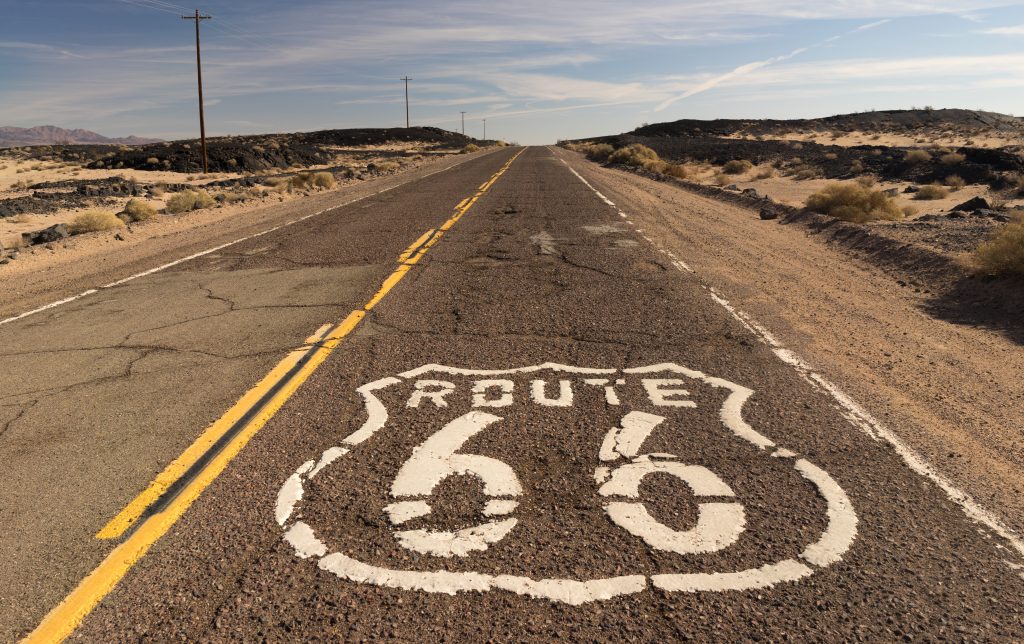
The Ultimate Guide to Missouri’s Most Iconic Road: Discovering Historic Route 66 and Scenic Wonders
If you’ve ever wondered about the most famous road in Missouri, what makes it iconic, and the scenic attractions that surround it, you’ve come to the right place. Missouri’s Route 66 is not just a stretch of pavement but a vibrant tapestry of American history, culture, and breathtaking landscapes, winding through cities like St. Louis, Maplewood, and Chesterfield. Whether you’re a local from nearby communities like Ladue, Fenton, or Webster Groves, or planning a road trip from farther afield, understanding Route 66’s legacy and the surrounding scenic marvels is essential.
At Sunset Hills Subaru, located at 10100 Watson Rd, Sunset Hills, MO 63127 and reachable at (314) 476-9638, we are proud to share this comprehensive guide to Missouri’s most iconic road and its scenic treasures. Whether you’re looking for your next adventure or just curious about this legendary highway, let’s dive in.
Table of Contents
What Makes Route 66 the Most Iconic Road in Missouri?
Learn about the origins, history, and cultural significance of Route 66, known as America’s “Mother Road,” and its impact on Missouri and beyond.Why Is Route 66 Called the Mother Road?
Discover the story behind the name, John Steinbeck’s literary influence, and how this road became a symbol of hope and adventure.Exploring the Most Scenic Parts of Missouri Along Route 66
Explore the natural beauty surrounding Route 66, including the Ozarks, Ha Ha Tonka State Park, and Table Rock Lake, with detailed descriptions and travel tips.How Much of Route 66 Is Still Drivable in Missouri?
Get the latest information on which sections of the historic route remain accessible and how to navigate them today.Missouri’s Abandoned Towns and Ghost Towns Along Route 66
Delve into the fascinating history of Missouri’s ghost towns like Times Beach and Allenton, their stories, and what you can visit today.Top Attractions to See on Route 66 in Missouri
A detailed guide to historic landmarks, iconic stops, and unique roadside experiences along Missouri’s section of Route 66.Why Is Route 66 So Famous and Still Worth the Journey?
Understand the enduring appeal of Route 66 and why it remains a bucket-list trip for travelers worldwide.The Most Scenic Roads in the U.S. and How Route 66 Compares
Compare Route 66 with other breathtaking American scenic roads and learn what makes each unique.
What Makes Route 66 the Most Iconic Road in Missouri?
Route 66, officially designated as United States Highway 66 in 1926, quickly became one of the most recognizable highways in the United States. Stretching over 300 miles across Missouri, it served as a vital artery connecting Midwestern cities like St. Louis to the western frontier. The highway’s early years saw a boom in local businesses—gas stations, motels, diners—that catered to travelers eager to explore the open road.
In Missouri, Route 66 brought economic vitality to towns such as Maplewood, St. Charles, and Fenton. It was more than a road; it was a lifeline that linked rural communities to urban centers and the wider world. The highway’s cultural resonance was amplified by the phrase “Get your kicks on Route 66,” popularized by the 1946 song by Bobby Troup, echoing through local diners and gas stations.
From a technical standpoint, Route 66 was a marvel of its time. It was advertised as the shortest and most scenic route westward, traversing a diverse landscape of rolling plains, river valleys, and early suburban neighborhoods. The road contributed significantly to the rise of the automobile culture in places like Glendale and Richmond Heights, encouraging families to embark on memorable road trips.
If you’re in the St. Louis metro area, including nearby neighborhoods like Webster Groves or Crestwood, a drive along Route 66 offers a nostalgic glimpse into the past blended with modern-day charm. Our dealership’s location at 10100 Watson Rd, Sunset Hills, MO 63127 is perfectly positioned to serve locals who appreciate the heritage and adventure of this historic corridor.
Why Is Route 66 Called the Mother Road?
The nickname “Mother Road” was immortalized by John Steinbeck in his 1939 novel, The Grapes of Wrath. Steinbeck portrayed Route 66 as a symbol of hope and escape for Dust Bowl refugees traveling west in search of a better life. This literary heritage cemented Route 66’s place in American culture as more than just a highway—it became a pathway to opportunity.
Unlike the more direct Lincoln Highway, Route 66’s diagonal path connected hundreds of rural communities, offering farmers and truckers access to markets and new economic horizons. Cyrus Avery, often dubbed the “Father of Route 66,” championed the road’s development to bring prosperity to Tulsa and the surrounding region, including Missouri’s own agrarian towns.
The post-World War II boom turned the highway into a playground for families with cars, seeking leisure and adventure. Motels like the Wagon Wheel Motel in Cuba, Missouri, and the Munger Moss Motel in Springfield sprang up, offering travelers comfort and a taste of Americana. The road inspired a popular 1960s TV series that showcased the adventures of young men traveling the U.S., further embedding Route 66 into the national psyche.
Today, preservation groups and the National Park Service maintain many historic segments, markers, and landmarks. At Sunset Hills Subaru, we encourage enthusiasts to explore this living museum of American road culture, combining the charm of vintage road trips with modern conveniences.
Exploring the Most Scenic Parts of Missouri Along Route 66
Missouri offers some of the most breathtaking scenery along Route 66, blending natural beauty with historical richness. Here are a few highlights near communities like Ladue, Twin Oaks, and Richmond Heights worth exploring:
The Ozarks: A vast and rugged region featuring rolling hills, dense forests, and sparkling lakes. The Ozarks provide ample opportunities for hiking, boating, and wildlife spotting, especially around Table Rock Lake near Branson.
Ha Ha Tonka State Park: Located near Camdenton, this park is famous for its dramatic cliffs, natural springs, and the ruins of a stone castle perched on a bluff. The park’s unique geological features and scenic overlooks make it a must-see for any Route 66 traveler.
Elephant Rocks State Park: Near Belleview, the park is home to giant granite boulders resembling a herd of elephants. This serene 162-acre park offers accessible trails and fascinating geology, perfect for families and nature lovers.
Johnson’s Shut-Ins State Park: Known for natural water slides and swimming holes carved into volcanic rock, this park near Lesterville is a refreshing stop during warmer months.
For those in the St. Louis area, neighborhoods such as Maplewood and Webster Groves provide charming urban escapes with historic architecture and local eateries, blending city life with the spirit of Route 66.
How Much of Route 66 Is Still Drivable in Missouri?
While Route 66 was officially decommissioned in 1985, about 85% of the original road remains drivable, often under different state highway numbers or local street names. In Missouri, travelers can still follow significant portions of the historic route, marked by “Historic Route 66” signs that guide visitors through the heart of the state.
Key drivable segments include:
St. Louis to Springfield: This stretch covers iconic stops and towns, maintaining much of the original highway’s character.
Springfield to Joplin: Known for its restored motels and roadside attractions.
Historic downtowns: Many small cities and towns along the route, such as Carthage and Cuba (the “Mural City”), preserve the vintage feel with murals, classic diners, and retro gas stations.
Travelers should prepare for occasional detours where the original road has been replaced by modern highways. Consulting detailed maps or navigation apps focused on Route 66 is recommended to ensure a smooth journey.
Missouri’s Abandoned Towns and Ghost Towns Along Route 66
Along the historic route and in surrounding areas, several abandoned or ghost towns tell the story of economic shifts and environmental challenges:
Times Beach: Located approximately 17 miles southwest of St. Louis, Times Beach was evacuated in 1983 due to dioxin contamination and officially disincorporated in 1985. Today, the area is commemorated by Times Beach Memorial State Park, reflecting both its history and its connection to Route 66.
Allenton: Once a small town with a railroad depot near Eureka, Missouri, it was declared blighted in the 1970s and demolished in the 2000s. Its site now serves as a retail development.
Hamburg, Howell, and Toonerville: These towns were absorbed into the Weldon Spring Ordnance Works during WWII and offer historical insights into Missouri’s wartime industrial past.
Visiting these sites provides a tangible connection to the region’s changing landscape and the impact infrastructure projects like Route 66 had on small communities.
Top Attractions to See on Route 66 in Missouri
Missouri’s section of Route 66 is packed with fascinating stops blending history, culture, and local charm, especially near cities like St. Louis, Chesterfield, and Maplewood:
Gateway Arch (St. Louis): This 630-foot stainless steel monument symbolizes America’s westward expansion. Visitors can enjoy tram rides to the top and explore the museum below.
Old Chain of Rocks Bridge: Once the original Mississippi River crossing on Route 66, this mile-long pedestrian bridge features a unique 22-degree bend and connects to a park on the Missouri side.
Meramec Caverns: Near Stanton, Missouri, these extensive caverns offer guided tours revealing stunning formations and ties to Jesse James folklore.
Ted Drewes Frozen Custard (St. Louis): A Route 66 staple since 1941, known for its creamy custard treats.
Cuba’s Murals: Known as the “Mural City,” Cuba showcases extensive outdoor art reflecting the history and culture of the Mother Road.
Wagon Wheel Motel and Munger Moss Motel: Two of the oldest continuously operating motels on Route 66, offering retro accommodations with modern amenities.
Route 66 State Park: Located near Eureka, the park features a visitor center with memorabilia, hiking trails, and educational exhibits.
These attractions offer travelers a rich blend of nostalgia and modern-day experiences, perfect for families, history buffs, and road trip enthusiasts alike.
Why Is Route 66 So Famous and Still Worth the Journey?
Route 66’s fame stems from its history as the shortest, most scenic route west and its cultural imprint through literature, music, and television. It represents the spirit of American freedom, adventure, and the transformative power of the automobile.
Today, Route 66 remains a worthwhile journey for several reasons:
Historic and Iconic: It’s a window into America’s past, showcasing vintage motels, diners, and quirky roadside attractions.
Scenic and Diverse Landscapes: The route passes through farmland, forests, river valleys, and vibrant small towns.
Nostalgia and Adventure: Travelers relish the retro vibe and the opportunity to explore hidden gems off the beaten path.
Flexibility: You can drive the full length or select segments that suit your interests and time.
While some parts may be less maintained or heavily trafficked, planning and research ensure a rewarding experience.
The Most Scenic Roads in the U.S. and How Route 66 Compares
While Route 66 is iconic, Missouri is also home to some of the nation’s most scenic drives. Compared to challenging routes like Alaska’s Dalton Highway or Colorado’s Black Bear Pass, Route 66 offers a more accessible yet historically rich experience.
Other notable scenic roads include:
Dalton Highway, Alaska: A rugged 414-mile route through tundra and mountains.
Beartooth Highway, Montana/Wyoming: A high-elevation road crossing 20 peaks over 12,000 feet.
Moki Dugway, Utah: A steep, switchback gravel road with stunning canyon views.
Road to Hana, Maui: Famous for lush rainforests, waterfalls, and coastal views.
While these roads offer dramatic natural beauty, Route 66’s charm lies in its cultural heritage, accessible adventure, and the unique blend of history and scenery it offers travelers throughout Missouri and beyond.
Plan Your Route 66 Adventure with Sunset Hills Subaru
Embarking on a Route 66 journey requires a reliable vehicle and proper preparation. At Sunset Hills Subaru, conveniently located at 10100 Watson Rd, Sunset Hills, MO 63127, we offer a wide selection of new and used Subaru models perfect for your road trip, including the rugged Subaru Forester and the versatile Subaru Outback.
Explore our New Subaru Inventory and Used Vehicle Inventory to find your perfect travel companion. Take advantage of our Current New Car Specials and Service and Parts Specials for great deals.
Prepare your vehicle for the journey by scheduling maintenance with us—Schedule Service and Diagnostics to keep your Subaru in top shape. Need replacement parts? Visit our Find Subaru Parts page for genuine components.
Thinking of trading in your current vehicle? Discover its value with our easy-to-use tool—Get your value trade today.
Embracing the Legacy of Route 66 in Missouri
Missouri’s stretch of Route 66 is much more than a highway; it’s a living museum celebrating American history, culture, and scenic beauty. From the bustling streets of St. Louis to the tranquil vistas of the Ozarks, the Mother Road invites travelers to explore, reflect, and create memories.
At Sunset Hills Subaru, we’re honored to support this adventure with dependable vehicles and expert services. Whether you’re setting out from Sunset Hills, MO, or nearby towns such as Ladue, Maplewood, or Webster Groves, your journey on Route 66 promises discovery and delight.
So, gear up, hit the road, and enjoy every mile of Missouri’s most iconic highway.
© 2025 Sunset Hills Subaru
Connect with us


- July 2026
- June 2026
- May 2026
- April 2026
- March 2026
- February 2026
- January 2026
- December 2025
- November 2025
- October 2025
- September 2025
- August 2025
- July 2025
- June 2025
- May 2025
- April 2025
- March 2025
- February 2025
- January 2025
- December 2024
- November 2024
- October 2024
- September 2024
- August 2024
- July 2024
- June 2024
- May 2024
- April 2024
- March 2024
- February 2024
- January 2024
- December 2023
- November 2023
- October 2023
- September 2023
- July 2023
- June 2023
- May 2023
- April 2023
- March 2023
- February 2023
- January 2023
- December 2022
- November 2022
Archives
- 2024 Outback
- 2025 Forester Hybrid
- 2025 Subaru Crosstrek
- 2025 Subaru Outback
- Auto Financing
- Automotive News
- Automotive Repair Tips
- Automotive Rumors & Insights
- Buying & Trade-In Process Guidance
- Buying Guides
- Charging Solutions & Infrastructure
- Community Engagement
- Dealership Financing
- Fuel Efficiency
- Fun Things to Do Near Sunset Hills MO
- Infotainment
- Leasing guides
- Maintenance & Service
- Model Comparisons
- New Vehicle Reviews
- Outdoor Adventure & Camping
- Ownership Experience
- Performance and Engineering
- Reliability and Quality Insights
- Safety
- Subaru Financing
- Subaru Loyalty Program
- Subaru Motorsports
- Subaru Repair
- Subaru Road Safety
- Subaru Share The Love
- Sunset Hills New Subaru
- Sunset Hills Subaru Dealer
- Sunset Hills Subaru EV Dealership
- Sunset Hills Subaru Loves Pets
- Sunset Hills Subaru Service
- Sunset Hills Used Cars
- Technology & Innovation
- Technology & Innovation
- Things to do in Sunset Hills, MO
- Tire Care & Replacement
- Trade Up Advantage
- Uncategorized
- Vehicle Design & Innovation
Categories