
Subaru’s Journey to Becoming a Zero Landfill Company: Ethical Leadership and Environmental Innovation
Subaru’s commitment to sustainability and ethical business practices has set a benchmark not only in the automotive industry but also among corporations dedicated to environmental responsibility. From pioneering zero-landfill manufacturing facilities to actively supporting national park conservation efforts, Subaru exemplifies how a car company can integrate ecological stewardship deeply within its corporate DNA. For drivers in the St Louis, MO area and nearby communities such as Chesterfield, Fenton, and Richmond Heights, understanding Subaru’s environmental journey and ethical values enriches the ownership experience and highlights why choosing Subaru at 10100 Watson Rd, Sunset Hills, MO 63127 stands apart.
Whether you’re exploring the latest New Subaru Inventory or considering options in our Used Vehicle Inventory, Subaru’s eco-conscious foundation influences every model. If you have maintenance needs or want to explore parts compatible with your vehicle, don’t hesitate to Schedule Service and Diagnostics or visit our Find Subaru Parts page. Also, if you’re thinking about upgrading, Get your value trade quickly and easily.
Table of Contents
Zero Landfill Achievement: Subaru’s Environmental Milestone
Explore how Subaru pioneered zero-landfill manufacturing with its Indiana plant and the comprehensive waste management strategies implemented.Subaru’s Ethical Commitment: Governance, Social Responsibility, and Sustainability
A detailed look at Subaru’s corporate governance, social initiatives, and environmental policies that showcase its ethical business practices.Subaru’s WWII Origins: From Aircraft Manufacturing to Automotive Innovation
Understand Subaru’s transformation from a wartime aircraft manufacturer to a leading automobile producer dedicated to sustainability.Designated Backyard Wildlife Habitat: Subaru’s Indiana Automotive Plant
Learn about the unique environmental recognition Subaru’s Indiana facility received and its impact on local ecosystems.Understanding the Zero Landfill Concept: Principles and Industry Standards
An explanation of the zero landfill philosophy, its challenges, and Subaru’s innovative approach aligning with global sustainability trends.Subaru’s Partnership with National Parks: The Don’t Feed the Landfills Initiative
Delve into Subaru’s collaboration with major national parks to reduce waste and promote environmental stewardship beyond manufacturing.Subaru’s Corporate Evolution and Ownership
Trace Subaru’s corporate ownership changes and how they have influenced its growth and ethical commitments.
Zero Landfill Achievement: Subaru’s Environmental Milestone
Subaru became a pioneer in environmental sustainability when, in May 2004, its Subaru of Indiana Automotive, Inc. (SIA) plant earned the distinction of being the first automotive assembly facility in the United States to achieve zero landfill status. This exceptional accomplishment means that no waste from the manufacturing process is sent to landfills; instead, all waste is either reused, recycled, or repurposed. This milestone was not only a significant environmental achievement but also a model for automotive manufacturing facilities nationwide.
SIA’s zero landfill status is sustained through meticulous waste segregation, innovative recycling technologies, and close collaboration with suppliers and waste management partners. For example, manufacturing byproducts such as metal shavings, plastics, and packaging materials are carefully sorted and redirected into production cycles or recycling streams. Additionally, organic waste is composted or used in bioenergy applications. These efforts have been recognized with numerous awards, including the U.S. Environmental Protection Agency’s Gold Achievement Award through its WasteWise program.
For residents and Subaru enthusiasts in communities like Ladue, MO, and Creve Coeur, MO, this achievement reflects a corporate ethos that extends beyond products to the environmental impact of manufacturing. The SIA facility also demonstrates how sustainability can dovetail with operational efficiency, reducing waste management costs and fostering a culture of continuous improvement.
Real-World Application: Zero Landfill in Automotive Manufacturing
The zero landfill achievement requires detailed planning and a commitment to redesigning processes. Subaru’s approach includes:
- Waste Auditing and Monitoring: Continuous assessment of waste streams to identify reduction opportunities.
- Employee Engagement: Training and incentivizing employees to participate in waste diversion efforts.
- Supplier Collaboration: Working with parts suppliers to minimize packaging waste and encourage recyclable materials.
- Innovative Technologies: Adoption of compactors, balers, and sorting systems to maximize recycling rates.
This comprehensive system ensures that Subaru maintains its zero landfill status while setting an example for other manufacturers. For customers near Sunset Hills, MO, and Webster Groves, MO, knowing their vehicle was made with such environmental care enhances the ownership experience.
Subaru’s Ethical Commitment: Governance, Social Responsibility, and Sustainability
Subaru’s identity as an ethical company is rooted in a multifaceted commitment to environmental stewardship, social responsibility, and transparent governance. These core pillars are embedded in the Subaru Love Promise, which guides initiatives ranging from employee welfare to community engagement and environmental conservation.
Governance and Compliance
Subaru maintains a robust governance structure led by a Compliance Committee chaired by its President and COO, ensuring that ethical standards permeate all departments. This committee oversees adherence to the updated Code of Conduct titled “Living the Love Promise,” which sets expectations for integrity, accountability, and responsible decision-making.
Subaru’s proactive risk management includes enterprise-wide reviews through the Subaru Opportunity Annual Review (SOAR), fostering cross-department collaboration on emerging risks and opportunities. This governance framework not only ensures regulatory compliance but also promotes a culture of ethical awareness among employees.
Environmental and Social Initiatives
Subaru’s environmental commitments extend beyond zero landfill manufacturing. The company actively develops eco-friendly vehicle technologies, including hybrid and electric models like the Subaru Solterra, and incorporates sustainable materials such as plant-based plastics to reduce reliance on fossil fuels.
Social responsibility is evident in Subaru’s extensive community programs, including:
- Subaru Loves the Earth®: Environmental stewardship and education initiatives.
- Subaru Loves Pets: Supporting animal welfare organizations.
- Subaru Loves Learning: Educational grants and support.
- Subaru Loves to Care: Health-related charitable activities.
These programs showcase Subaru’s dedication to making a positive societal impact, recognized by Forbes as a top automotive brand for social impact for three consecutive years through 2025.
Customer Commitment and Accessibility
Subaru prioritizes safety and quality, integrating advanced technologies like the EyeSight driver assist system, which reduces collision risks significantly. The company also upholds digital accessibility to ensure all customers, including those with disabilities in nearby communities such as Maplewood, MO and Richmond Heights, MO, can fully engage with their products and services.
Subaru’s WWII Origins: From Aircraft Manufacturing to Automotive Innovation
Before becoming synonymous with rugged, reliable vehicles, Subaru’s roots lie in aviation. Founded in 1915 as Fuji Heavy Industries, the company originally focused on aircraft research and manufacturing. During World War II, under the name Nakajima Aircraft Company, it became a primary aircraft supplier for Japan.
After the war, Fuji Heavy Industries transitioned from aircraft to automotive manufacturing, launching the Subaru brand in the 1950s. This transformation marked the start of Subaru’s journey toward pioneering automotive technologies such as the boxer engine and Symmetrical All-Wheel Drive system, both of which contribute to the brand’s reputation for safety and performance today.
Understanding this historical context enriches appreciation for Subaru’s long-standing commitment to innovation and resilience, qualities that continue to resonate with drivers in St Charles, MO, Glendale, MO, and Valley Park, MO.
Designated Backyard Wildlife Habitat: Subaru’s Indiana Automotive Plant
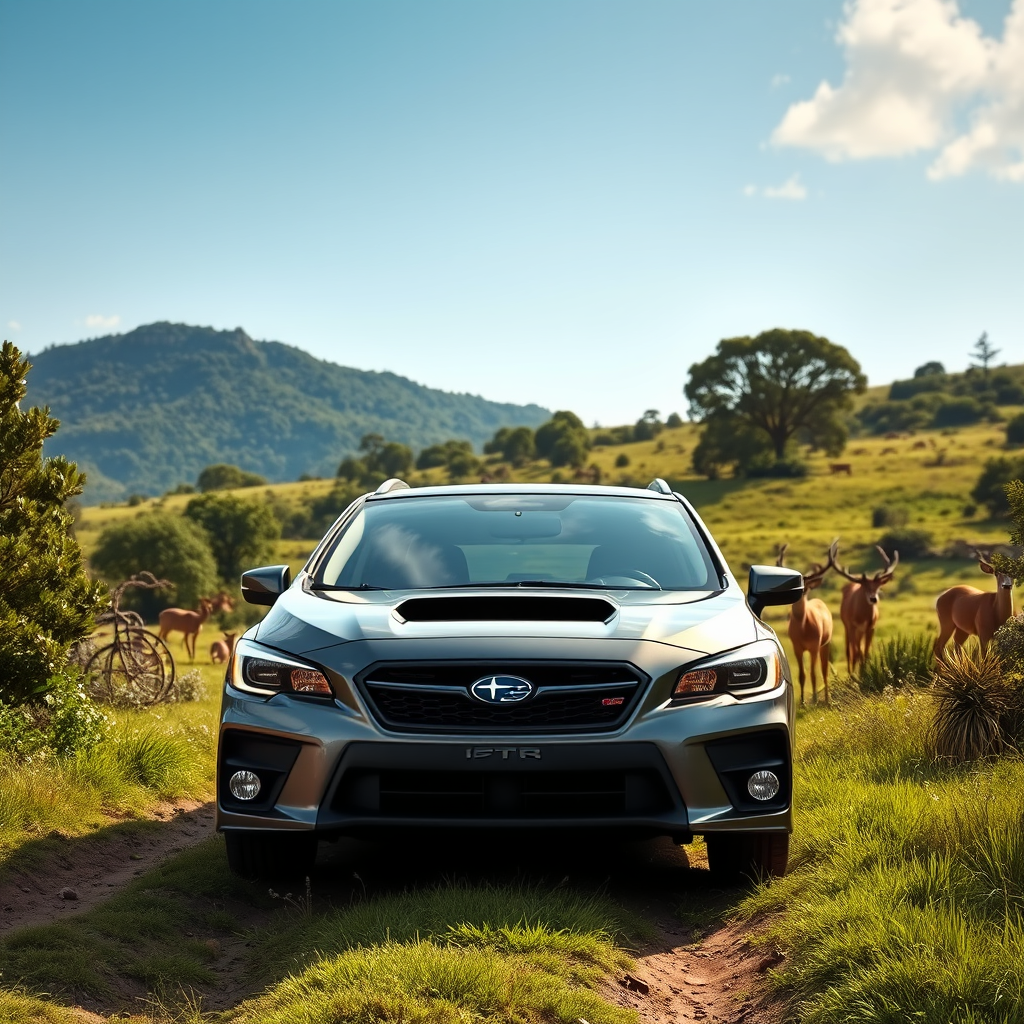
In addition to its zero landfill achievement, the Subaru of Indiana Automotive plant earned the rare distinction of being the first automotive assembly plant in the U.S. designated as a Backyard Wildlife Habitat by the National Wildlife Federation in 2003. This certification recognizes the plant’s efforts to create and maintain natural habitats that support local wildlife, enhancing biodiversity around the facility.
The plant’s landscaping includes native plants, pollinator gardens, and water conservation features that create a welcoming environment for birds, butterflies, and other wildlife. For environmentally conscious customers in communities like Twin Oaks, MO and Crestwood, MO, this designation reflects Subaru’s commitment to ecological harmony extending beyond the factory floor.
Understanding the Zero Landfill Concept: Principles and Industry Standards
The idea of zero landfill originates from sustainability advocates aiming to reduce solid waste sent to landfills by maximizing recycling, reuse, and waste reduction. While achieving an absolute zero waste output is challenging, Subaru’s zero landfill program illustrates how companies can approach this aspirational goal through innovative systems.
Key principles of zero landfill include:
- Minimizing Waste Creation: Designing production processes that reduce surplus or scrap.
- Maximizing Recycling and Reuse: Redirecting materials back into manufacturing or secondary markets.
- Continuous Improvement: Regular monitoring and innovation in waste management.
Subaru’s implementation aligns with best practices outlined by the Zero Waste International Alliance and exemplifies how manufacturing can integrate circular economy principles. For residents in Maryland Heights, MO and Oakland, MO, choosing a Subaru vehicle connects them to a brand leading in sustainability.
Subaru’s Partnership with National Parks: The Don’t Feed the Landfills Initiative
Beyond manufacturing, Subaru extends its environmental mission through partnerships with the National Parks Conservation Association (NPCA), the National Park Service (NPS), and the National Park Foundation (NPF). Launched in 2015, the Don’t Feed the Landfills Initiative targets waste reduction in three pilot parks: Denali National Park & Preserve (Alaska), Grand Teton National Park (Wyoming), and Yosemite National Park (California).
This initiative focuses on:
- Reducing Waste through Recycling and Composting: Improving infrastructure and visitor education.
- Phasing Out Single-Use Plastics: Encouraging sustainable alternatives.
- Grant Funding for Sustainable Infrastructure: Including bear-proof trash containers and water filling stations.
Such community-based efforts, coupled with Subaru’s zero landfill manufacturing, demonstrate an integrated approach to environmental responsibility. For outdoor enthusiasts in Concord, MO, Lakeshire, MO, and Webster Groves, MO, Subaru’s dedication to natural preservation underscores its role as a corporate leader.
Subaru’s Corporate Evolution and Ownership
Subaru’s corporate journey includes key ownership milestones shaping its strategic direction. Originally established as Fuji Heavy Industries, the company reorganized post-WWII to focus on automobiles. In the United States, Subaru of America (SOA) was founded in 1968 and fully acquired by Fuji Heavy Industries in 1990. SOA relocated in 2018 to a modern headquarters in Camden, New Jersey, underscoring its growth.
Strategic partnerships, such as Toyota’s acquisition of approximately 16.5% of Subaru’s parent company in 2008, have facilitated technology sharing and expanded global reach. These collaborations enable Subaru to innovate sustainably while maintaining its unique brand identity.
Driving Sustainability Forward with Sunset Hills Subaru
For drivers in Sunset Hills, MO, and surrounding areas, Subaru represents more than just a car brand—it symbolizes a commitment to ethical business, environmental stewardship, and community engagement. Whether you’re interested in exploring the latest models like the Forester, the sporty WRX, or the eco-friendly Solterra, you’re choosing a vehicle made with the planet’s future in mind.
Visit us at 10100 Watson Rd, Sunset Hills, MO 63127 or call us at (314) 476-9638 to experience Subaru’s dedication firsthand. Be sure to check our Current New Car Specials and Current Service and Parts Specials for great offers.
For maintenance, repairs, or parts needs, conveniently Schedule Service and Diagnostics or browse our Find Subaru Parts to keep your Subaru performing at its best. If you’re considering trading in your current vehicle, use our tool to Get your value trade and explore your options.
© 2025 Sunset Hills Subaru
Connect with us


- July 2026
- June 2026
- May 2026
- April 2026
- March 2026
- February 2026
- January 2026
- December 2025
- November 2025
- October 2025
- September 2025
- August 2025
- July 2025
- June 2025
- May 2025
- April 2025
- March 2025
- February 2025
- January 2025
- December 2024
- November 2024
- October 2024
- September 2024
- August 2024
- July 2024
- June 2024
- May 2024
- April 2024
- March 2024
- February 2024
- January 2024
- December 2023
- November 2023
- October 2023
- September 2023
- July 2023
- June 2023
- May 2023
- April 2023
- March 2023
- February 2023
- January 2023
- December 2022
- November 2022
Archives
- 2024 Outback
- 2025 Forester Hybrid
- 2025 Subaru Crosstrek
- 2025 Subaru Outback
- Auto Financing
- Automotive News
- Automotive Repair Tips
- Automotive Rumors & Insights
- Buying & Trade-In Process Guidance
- Buying Guides
- Charging Solutions & Infrastructure
- Community Engagement
- Dealership Financing
- Fuel Efficiency
- Fun Things to Do Near Sunset Hills MO
- Infotainment
- Leasing guides
- Maintenance & Service
- Model Comparisons
- New Vehicle Reviews
- Outdoor Adventure & Camping
- Ownership Experience
- Performance and Engineering
- Reliability and Quality Insights
- Safety
- Subaru Financing
- Subaru Loyalty Program
- Subaru Motorsports
- Subaru Repair
- Subaru Road Safety
- Subaru Share The Love
- Sunset Hills New Subaru
- Sunset Hills Subaru Dealer
- Sunset Hills Subaru EV Dealership
- Sunset Hills Subaru Loves Pets
- Sunset Hills Subaru Service
- Sunset Hills Used Cars
- Technology & Innovation
- Technology & Innovation
- Things to do in Sunset Hills, MO
- Tire Care & Replacement
- Trade Up Advantage
- Uncategorized
- Vehicle Design & Innovation
Categories